Episodes
Each episode takes one piece of real brain research and turns it into something you can actually try this week. Every claim is sourced. Nothing is watered down.
Why Your Last Study Hour Is Wasted
Why TikTok Makes Studying Feel Impossible
Why Multitasking Is Slowing You Down
Why ADHD Brains Can’t Start (But Can Hyperfocus)
Why Your Mind Goes Blank Under Stress
What If Autism Isn’t a Deficit?
Why Cringe Feels Physical
Your Brain Learns the Room
Why You Quit New Habits by Day 4
All-Nighters Poison Your Brain
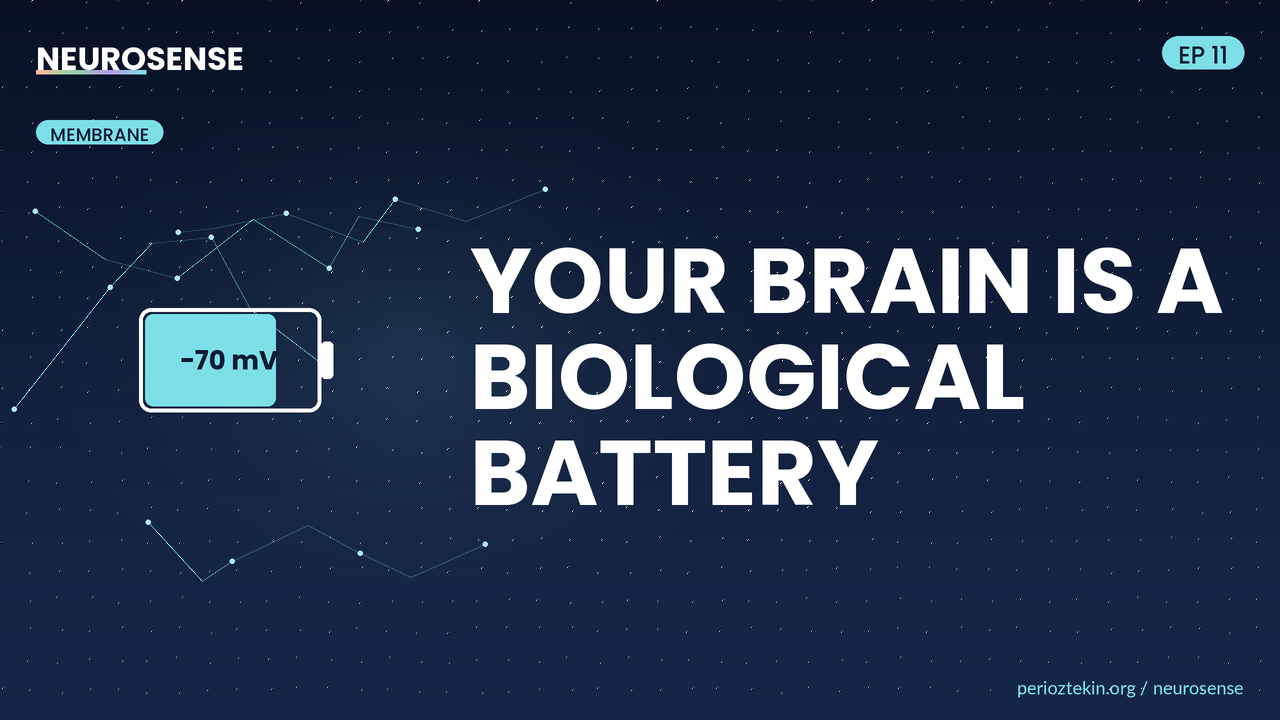
Your Brain Is a Biological Battery
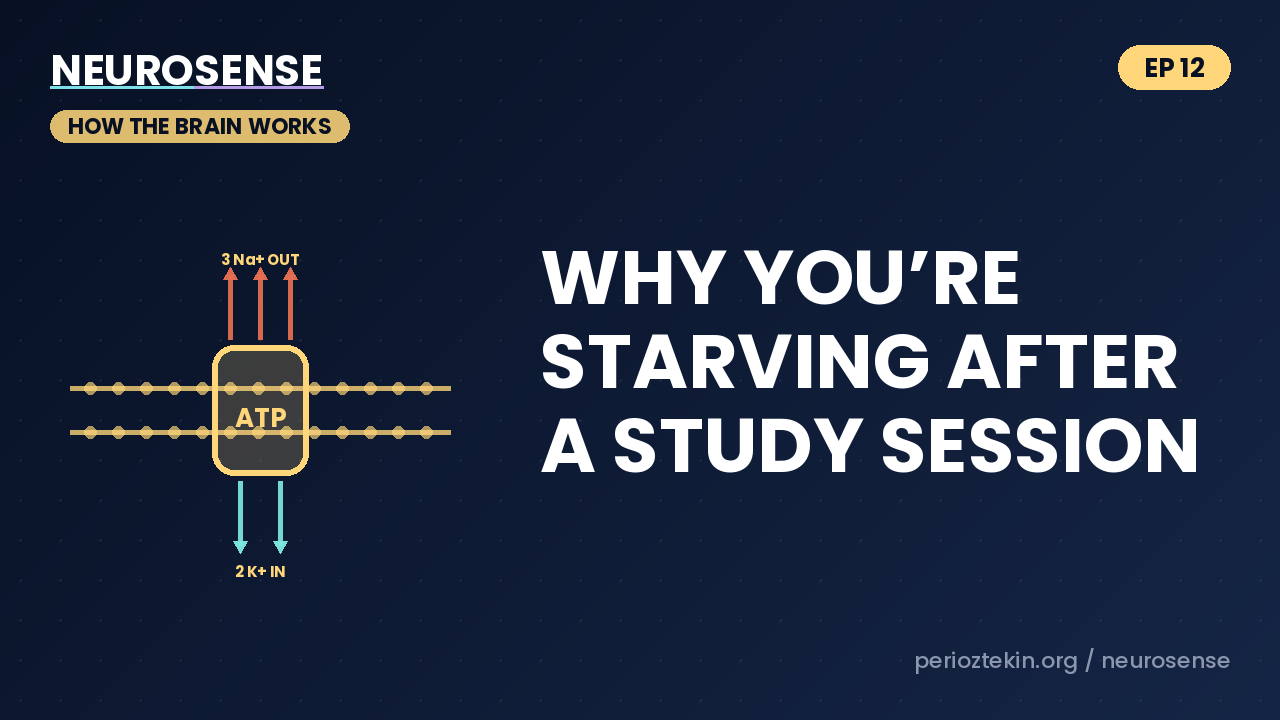
Why You’re Starving After a Study Session
How Practice Wires Your Brain Faster
Your Brain Cheats Physics to Be Fast
Your Brain Has No Volume Knob
The Gatekeepers of Consciousness
Recharge Without Sleeping.
Memories Are Made While You Sit Still
Caffeine Doesn’t Give You Energy. It Steals Your Off Switch
The Math Behind Your Mind.
Why Your Brain NEEDS You to Fail
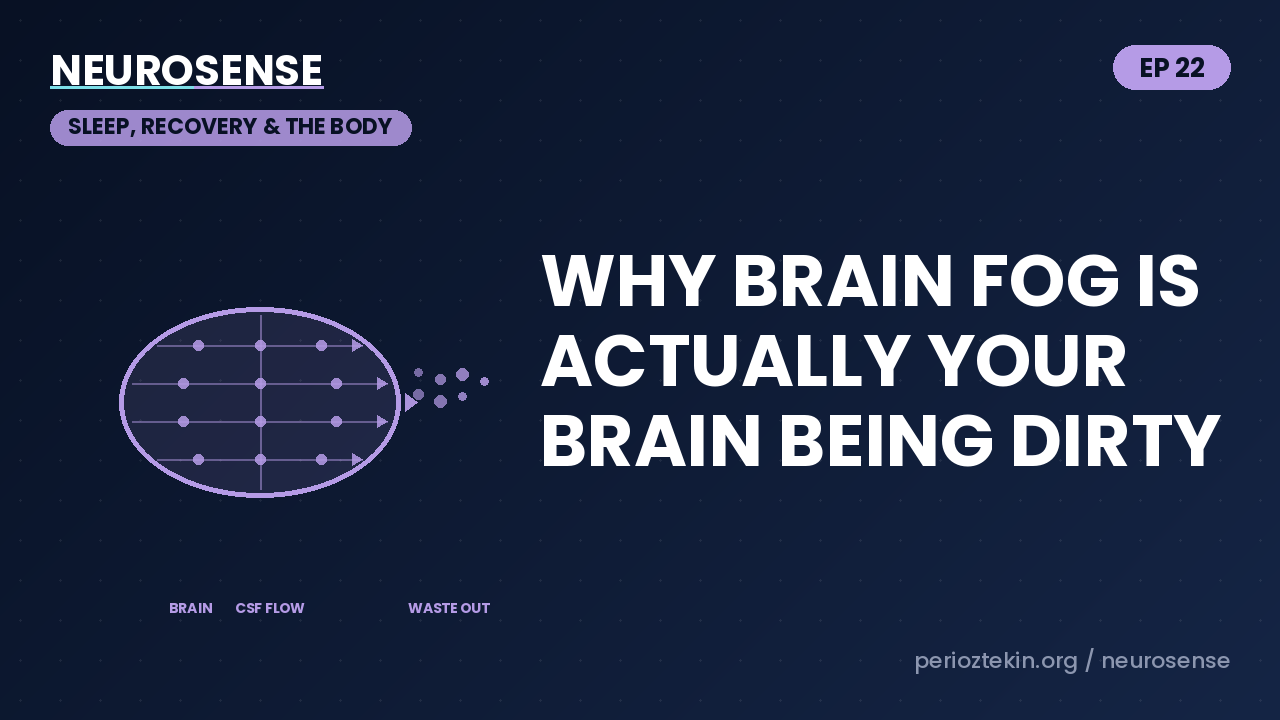
Why Brain Fog Is Actually Your Brain Being Dirty
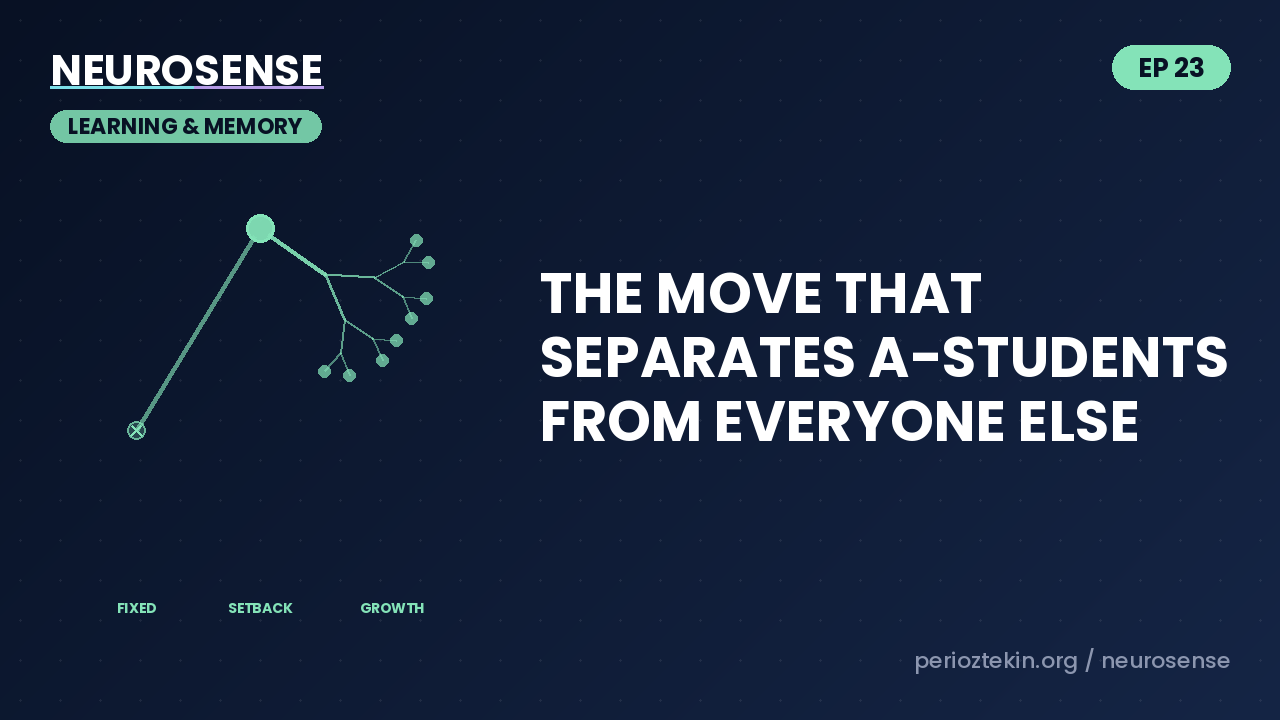
The Move That Separates A-Students From Everyone Else
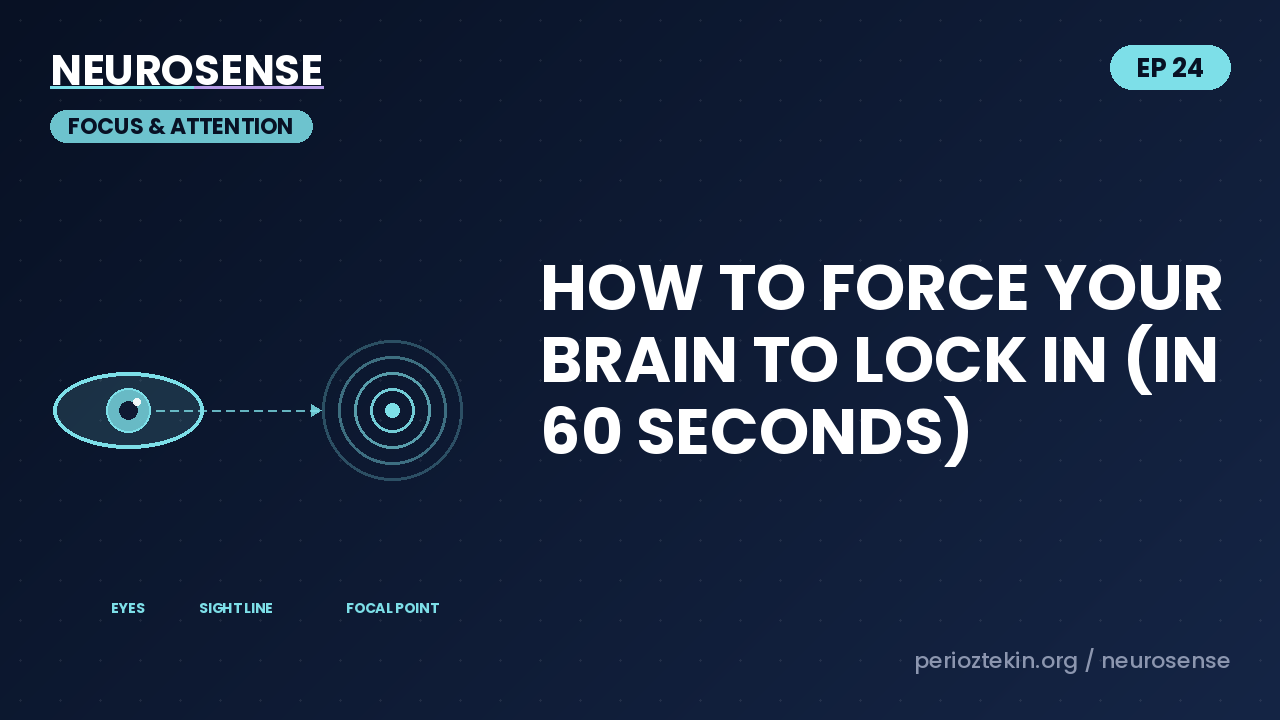
How to Force Your Brain to Lock In in 60 Seconds
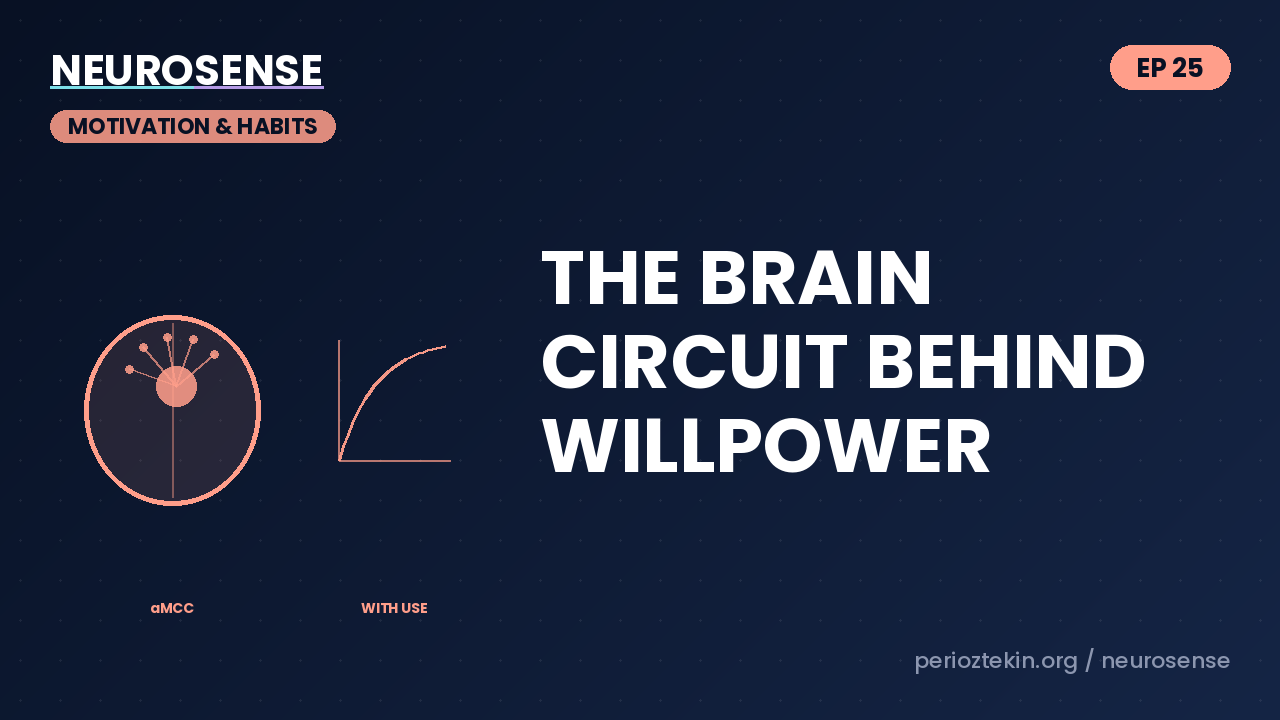
The Brain Circuit Behind Willpower
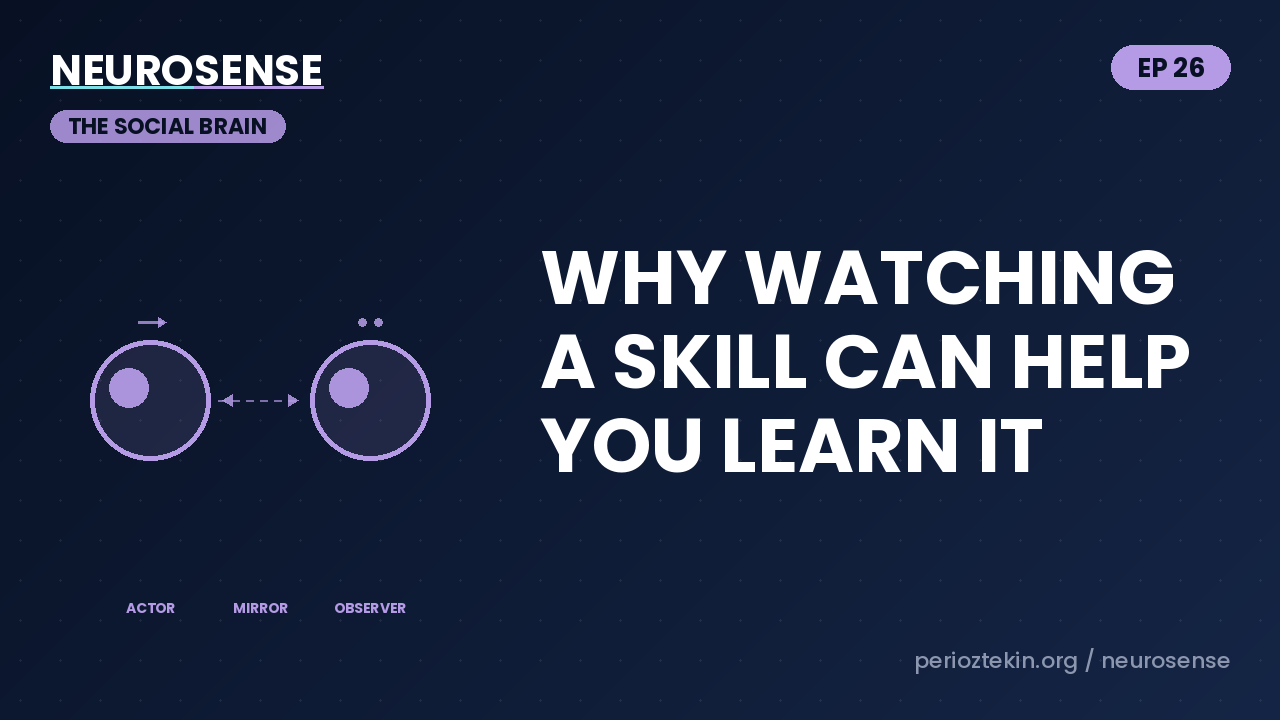
Why Watching a Skill Can Help You Learn It
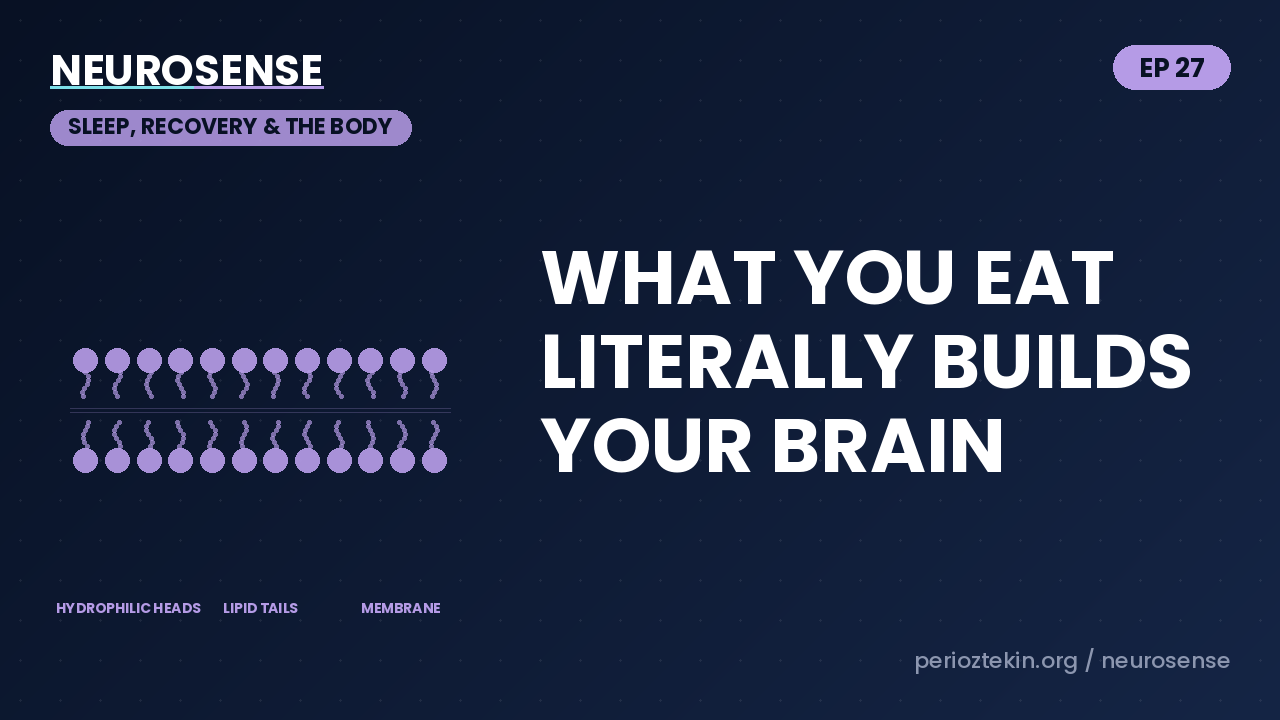
What You Eat Literally Builds Your Brain
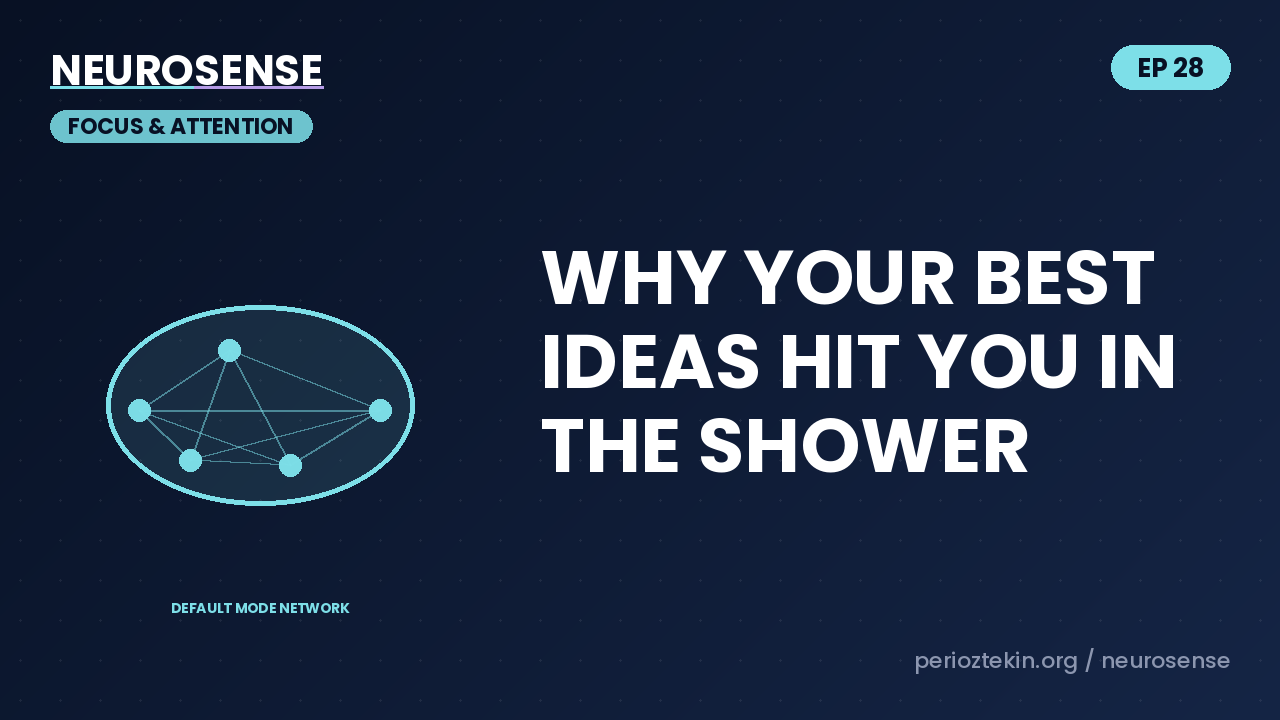
Why Your Best Ideas Hit You in the Shower
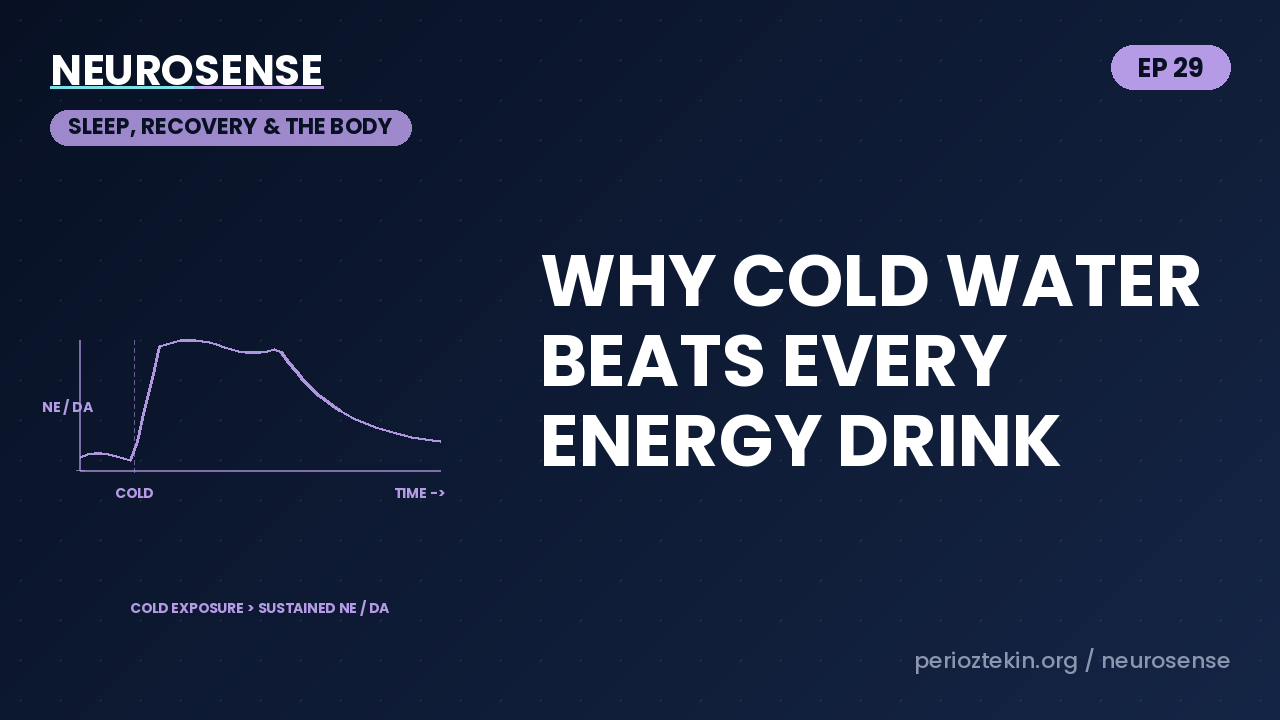
Why Cold Water Beats Every Energy Drink
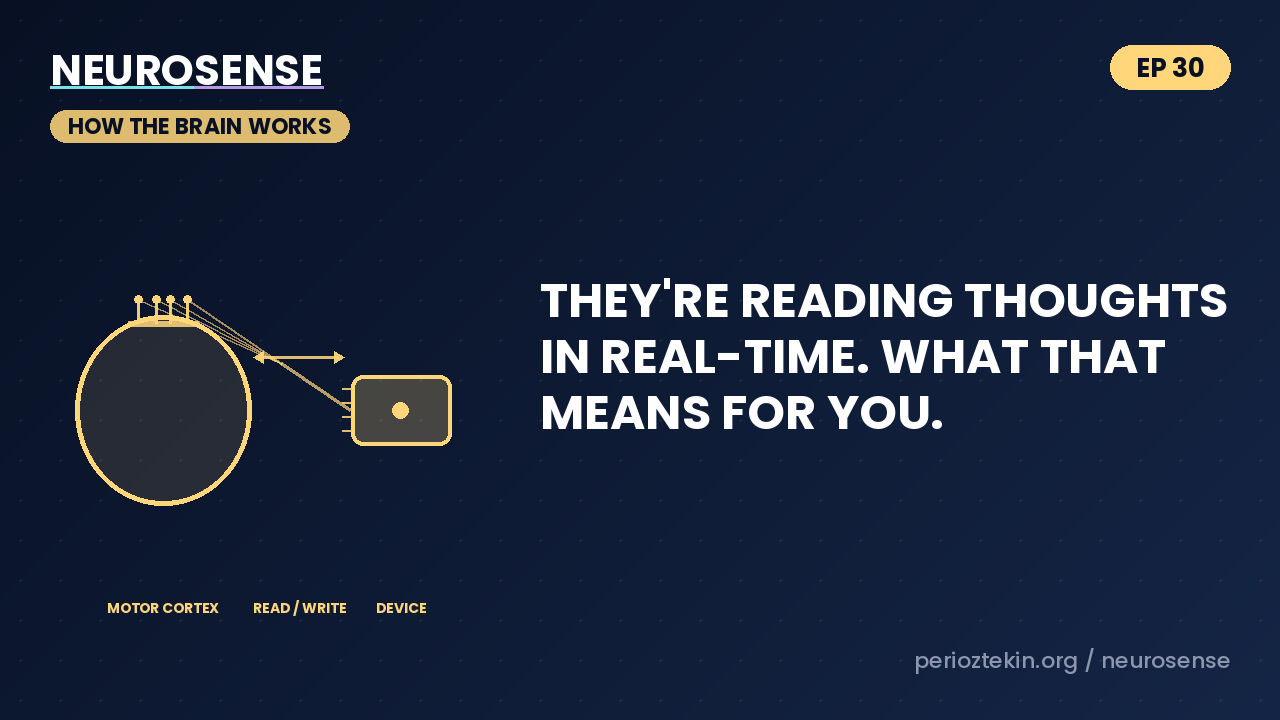
They're Reading Thoughts in Real-Time. What That Means for You.
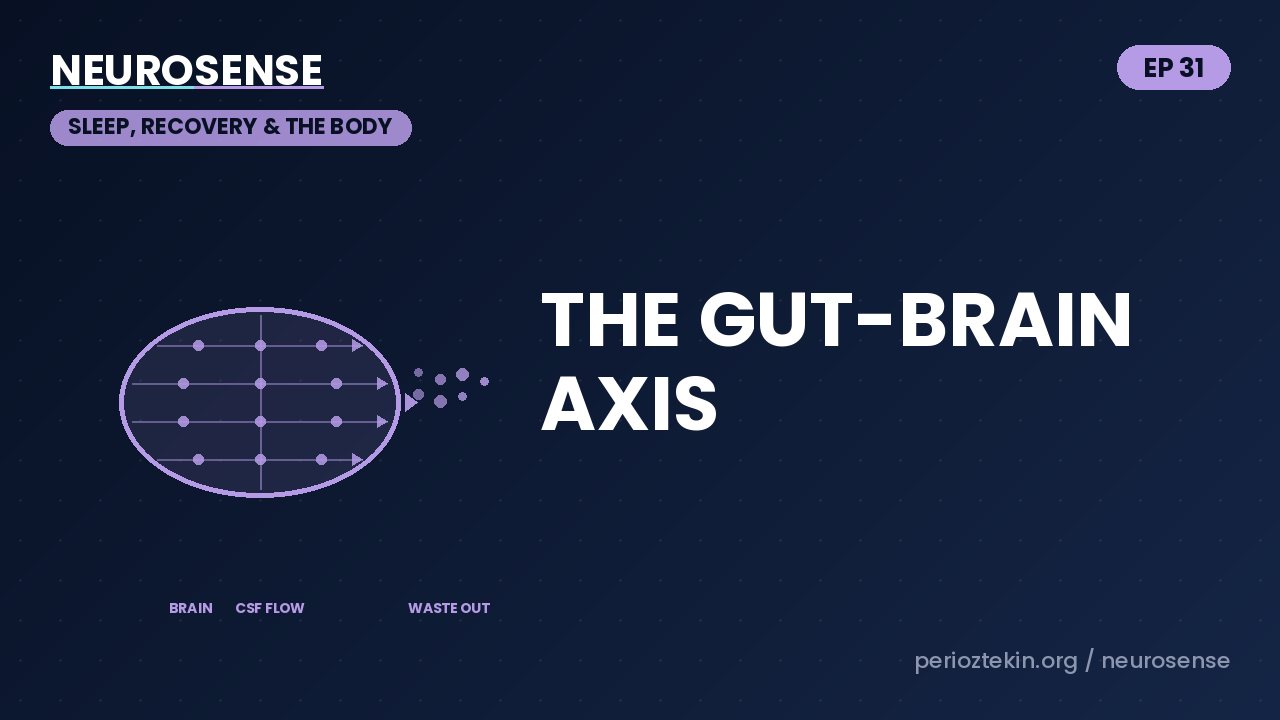
Your Gut Is Snitching on You
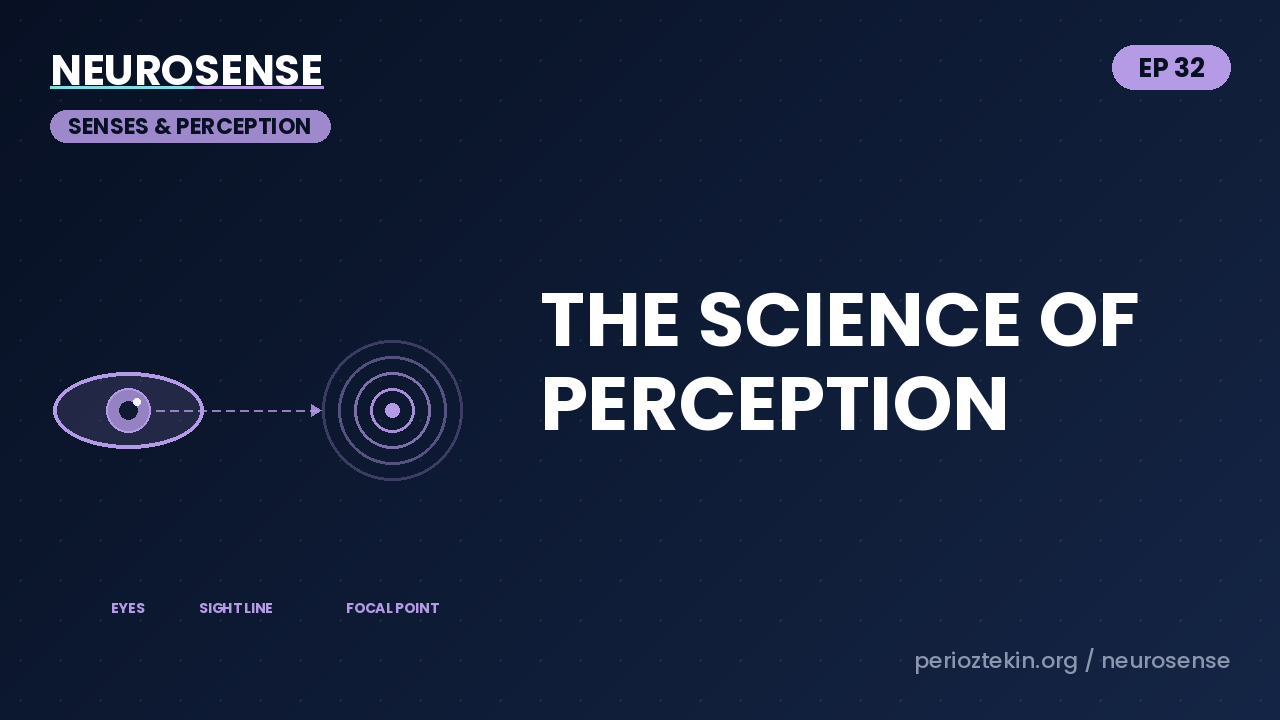
Why You Miss Things Right In Front of You
Why You Feel Different Around Different Friend Groups
Pick the Wrong Music and You Sabotage Your Studying
The Science of Awe: How to Quiet a Spiraling Brain
Why Practice Is About Thinking LESS, Not More
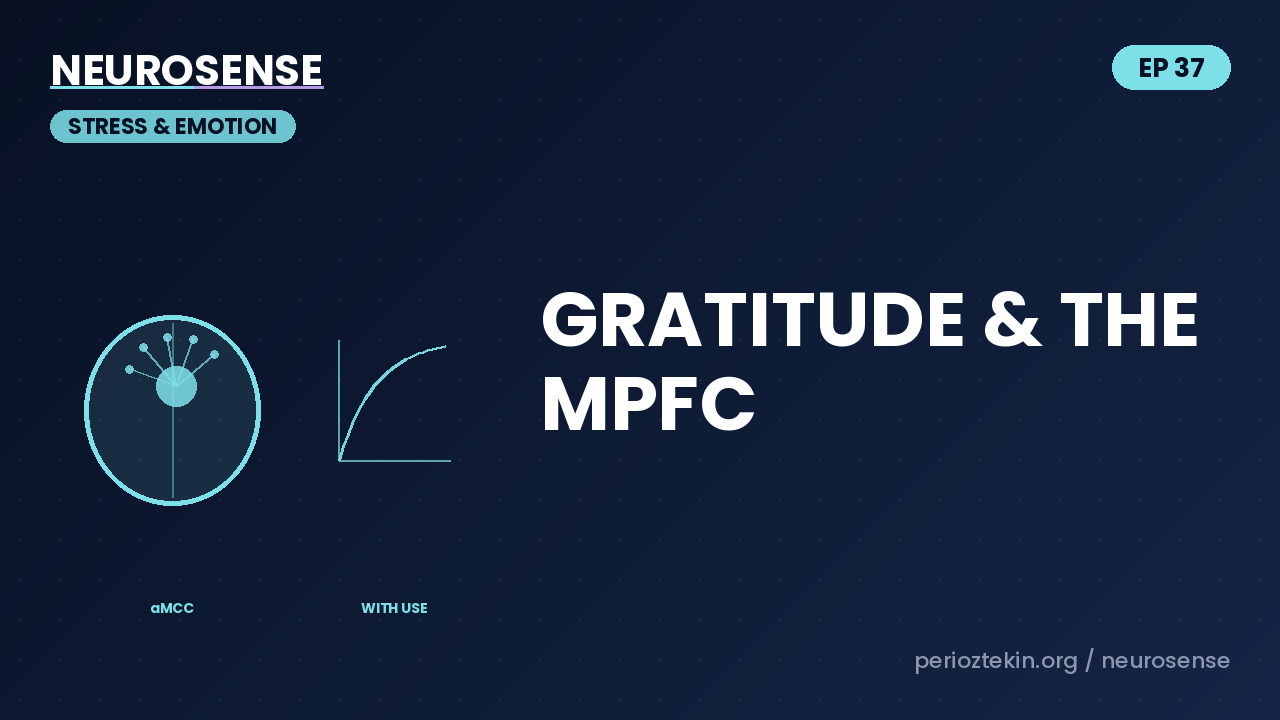
The Right Way to Rewire Your Brain With Gratitude
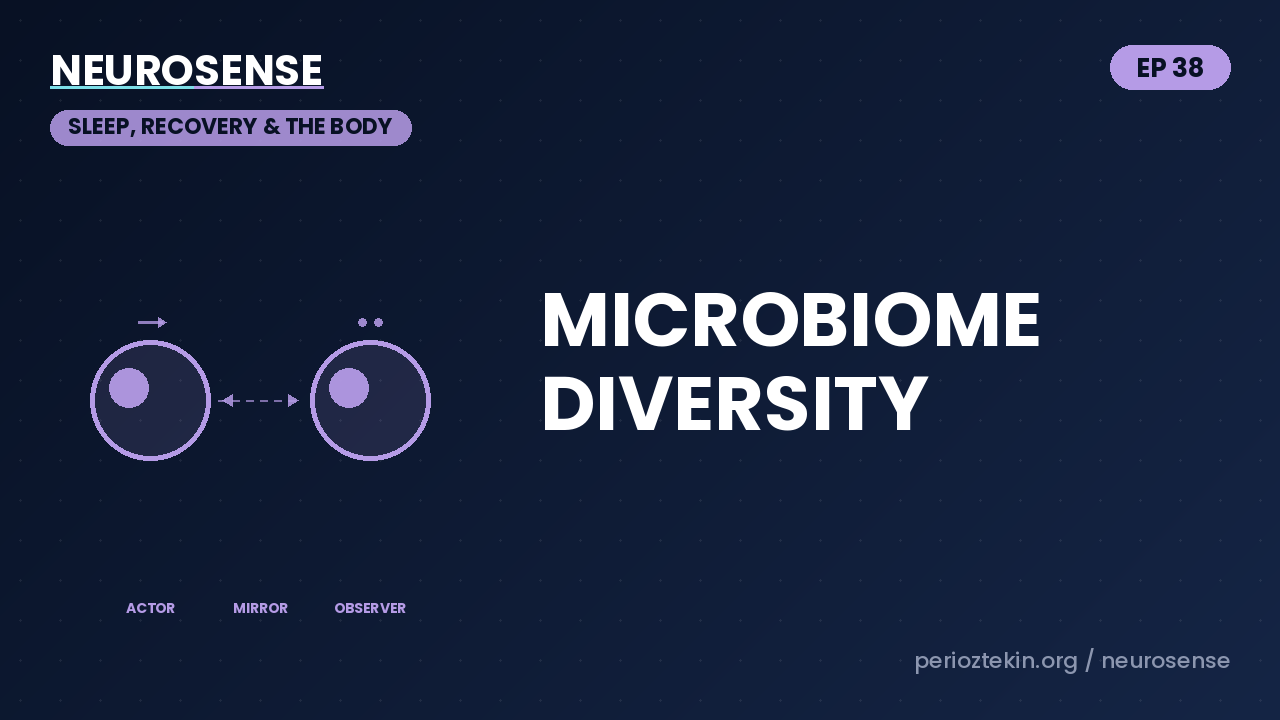
The Diet Habit That Lowers Anxiety
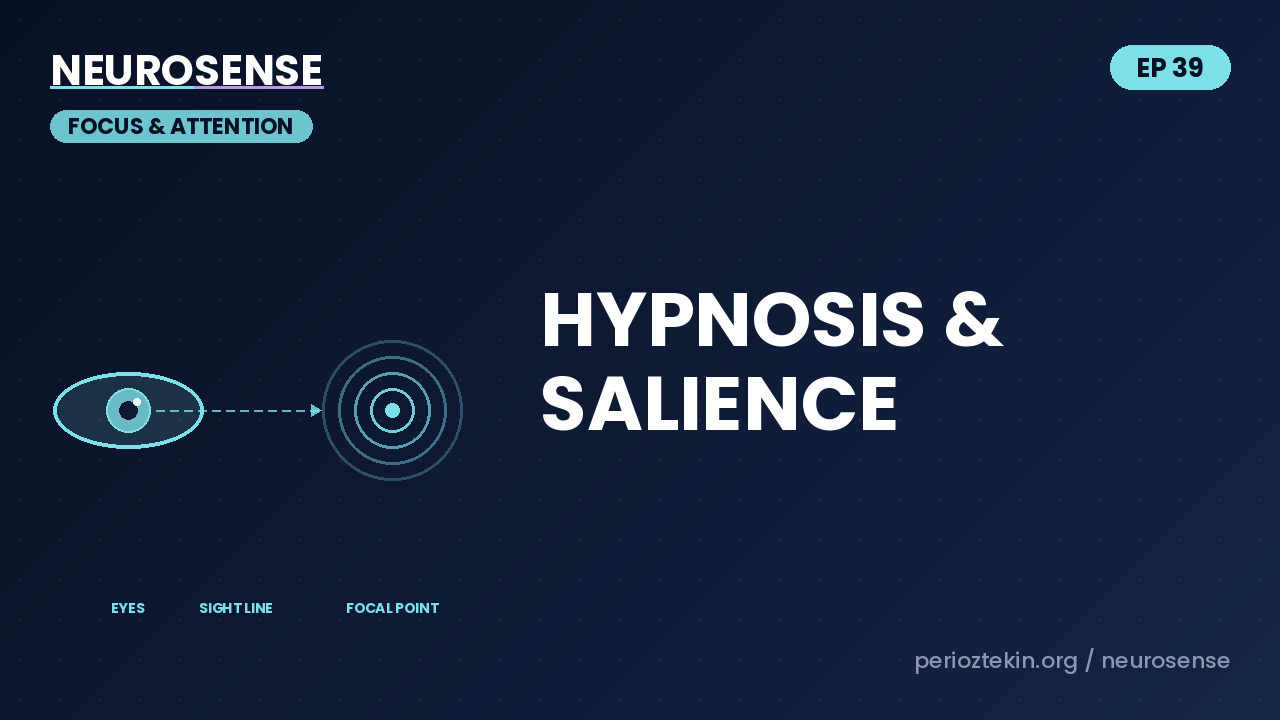
How to Quiet Your Inner Critic in 15 Minutes
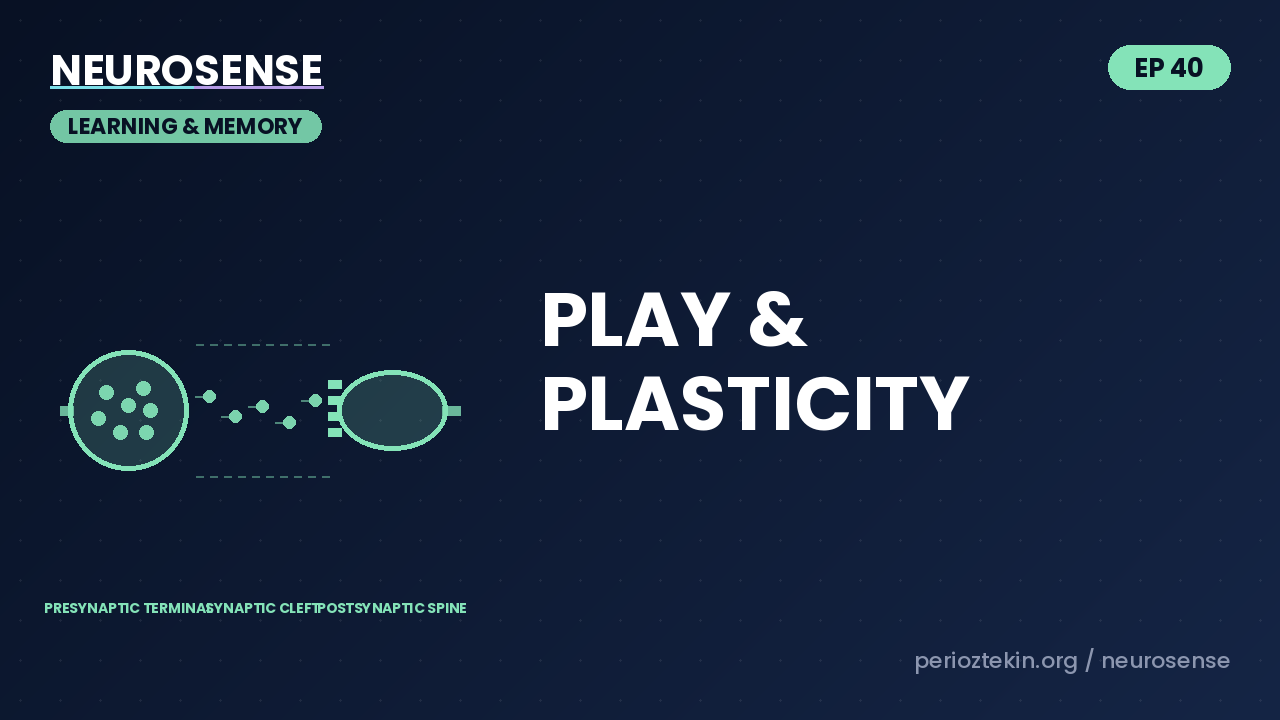
Why Play Wires Your Brain Faster
The One-Zone Reset Your Brain Can Feel
Mood Repair, Not Laziness
Why Real Friends Hit Different Than Group Chats
The Brain Gate That Decides What You Notice
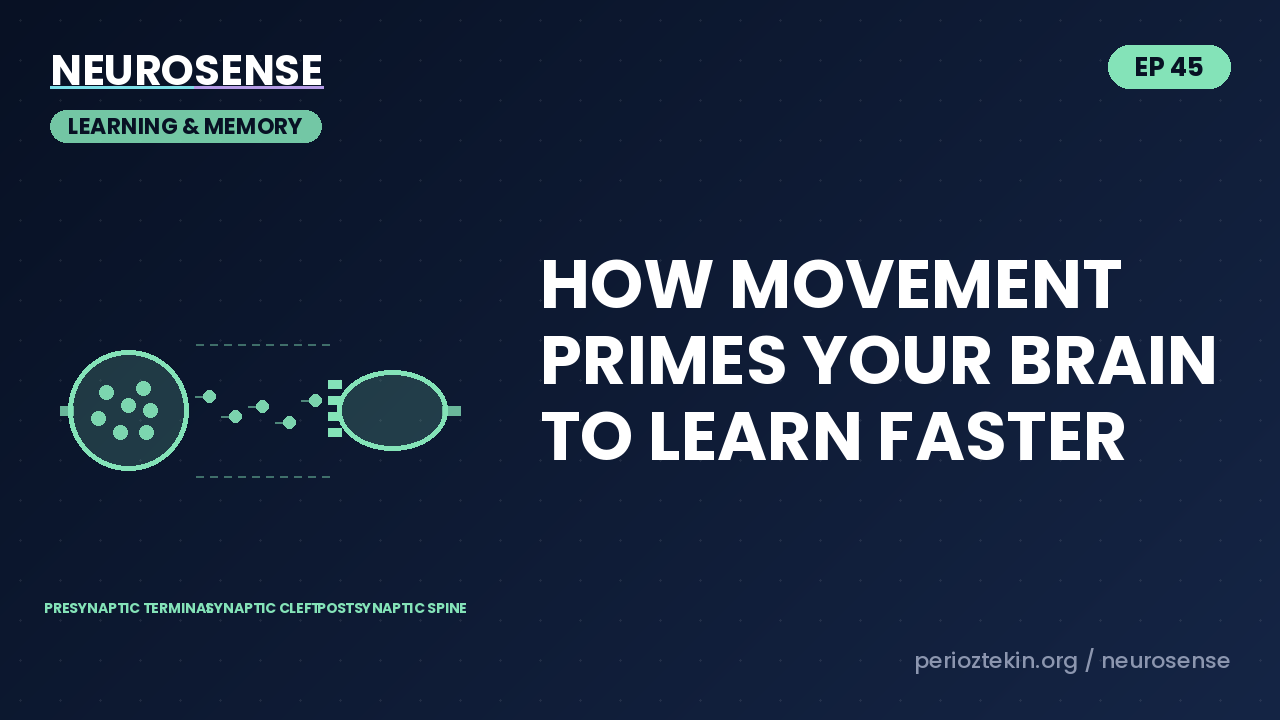
How Movement Primes Your Brain To Learn Faster
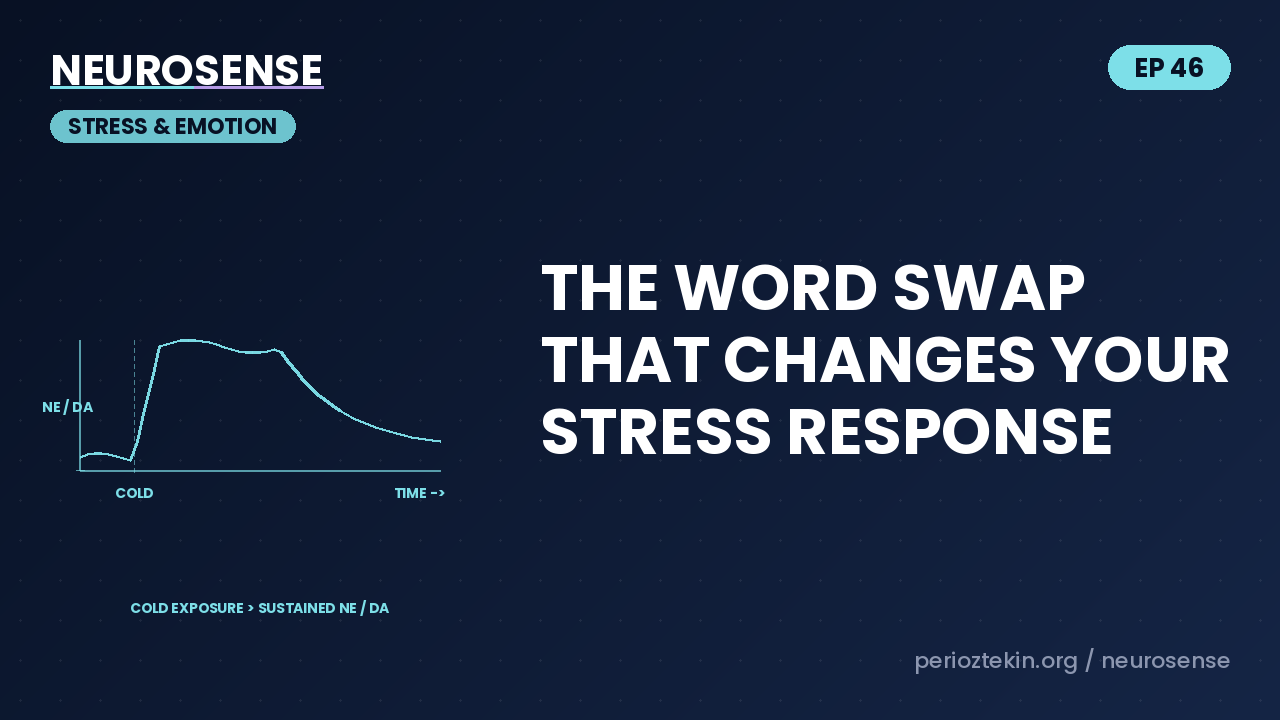
The Word Swap That Changes Your Stress Response
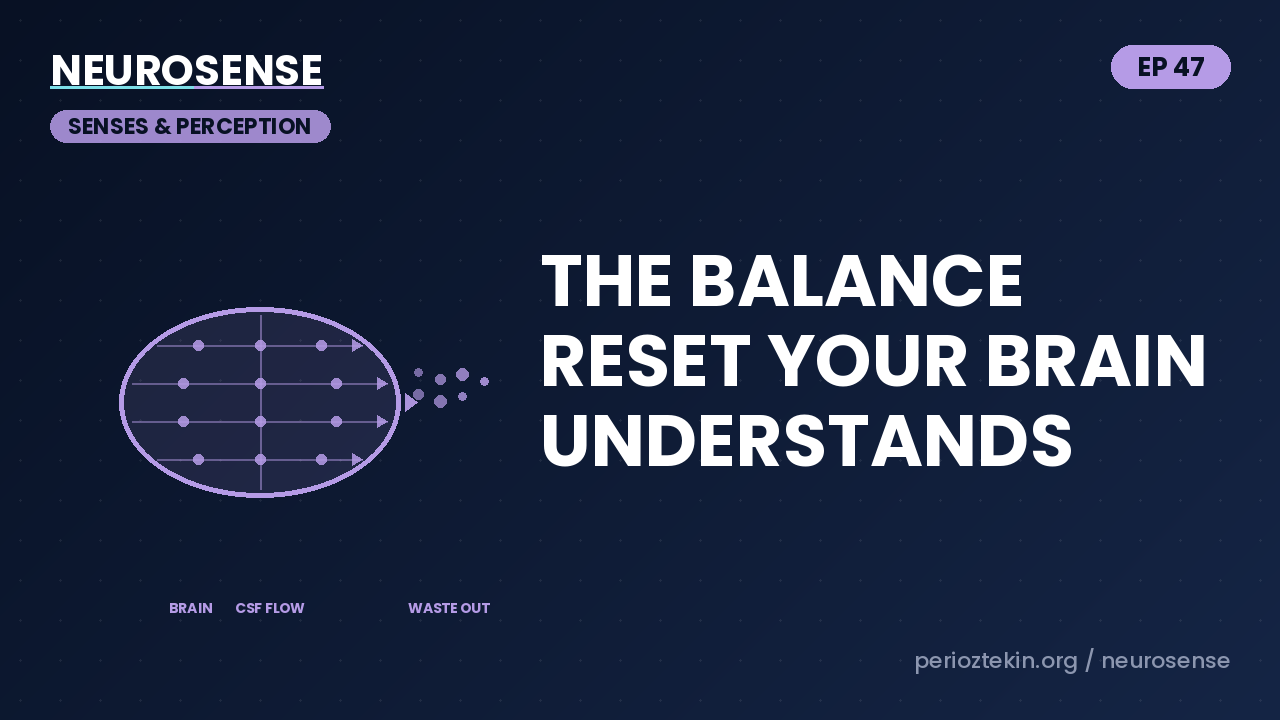
The Balance Reset Your Brain Understands
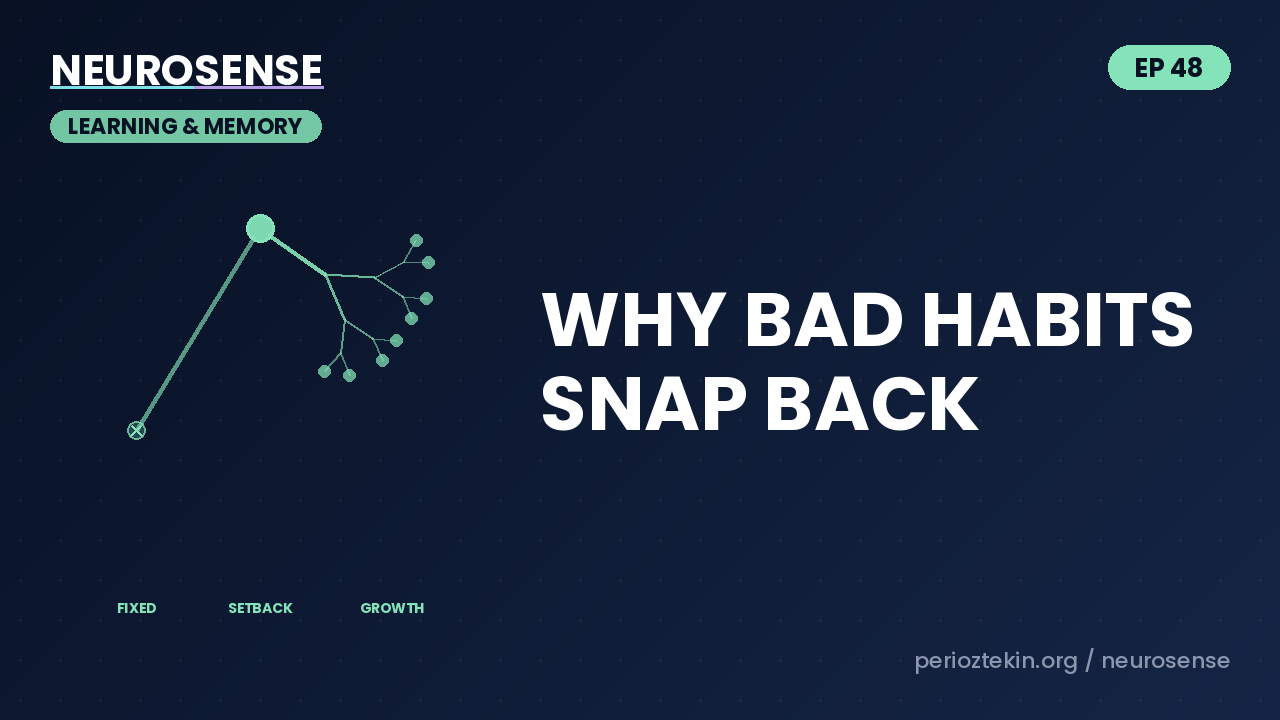
Why Bad Habits Snap Back
Why Smart Brains Still Get Stuck
Your Body Warns You Before Anxiety Hits
Loneliness Is A Biological Alarm
Your Brain Has a Volume Knob for Reality
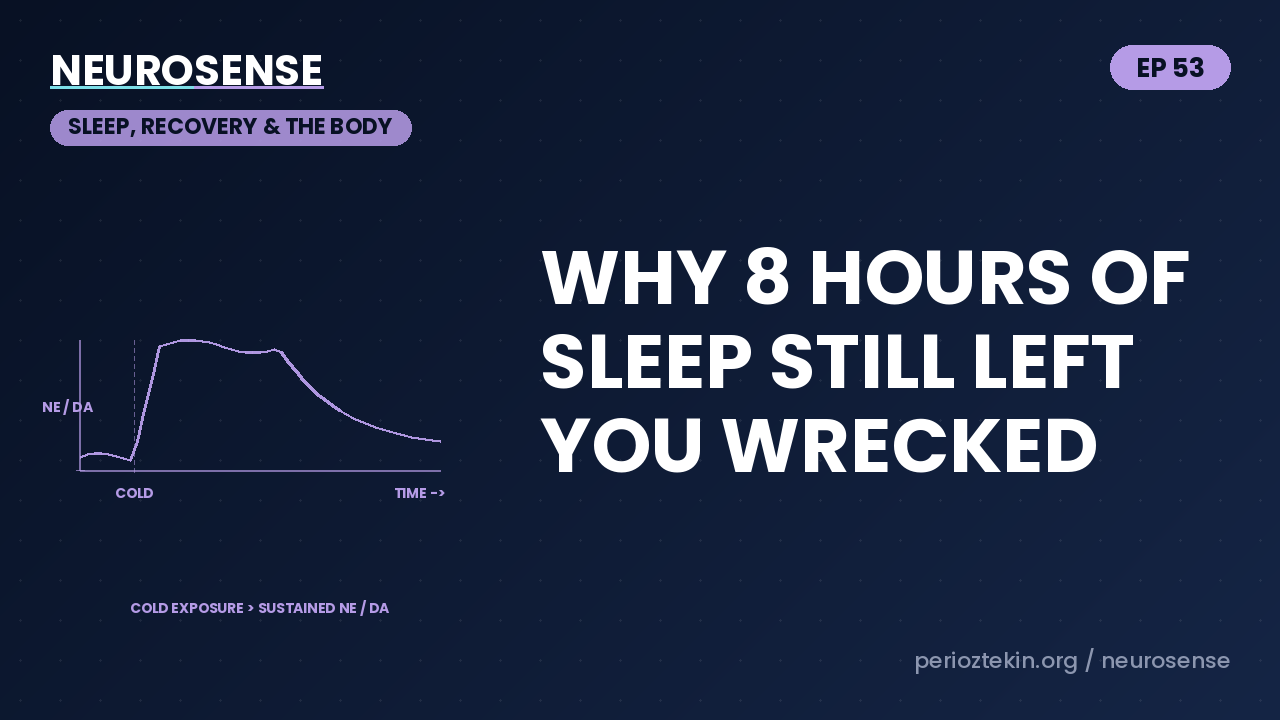
Why 8 Hours of Sleep Still Left You Wrecked
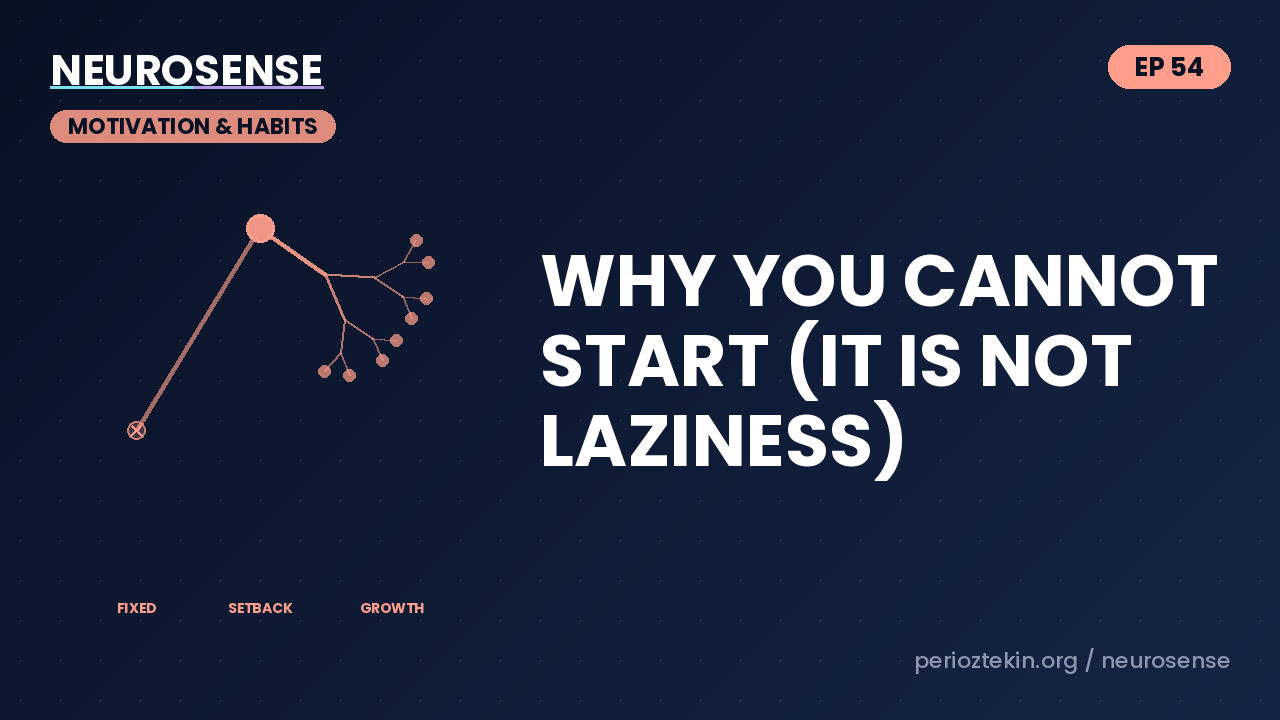
The Gas and Brake System Behind Every Action
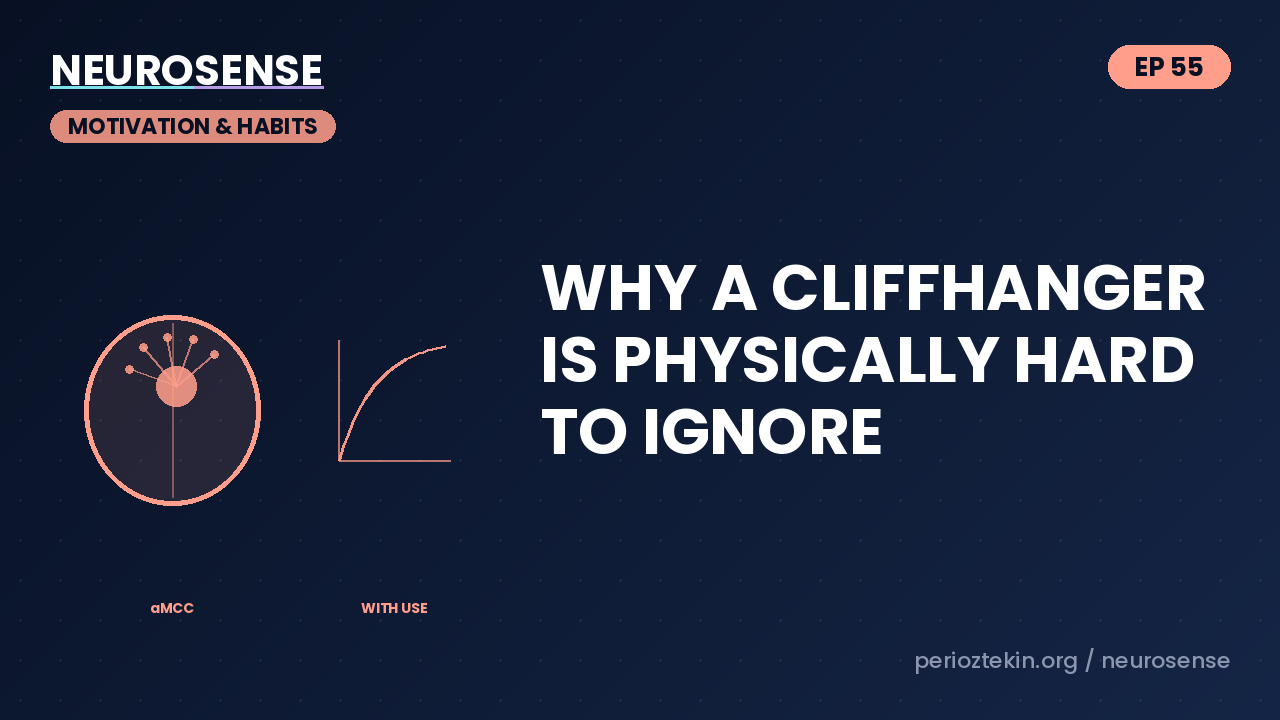
Why a Cliffhanger Is Physically Hard to Ignore
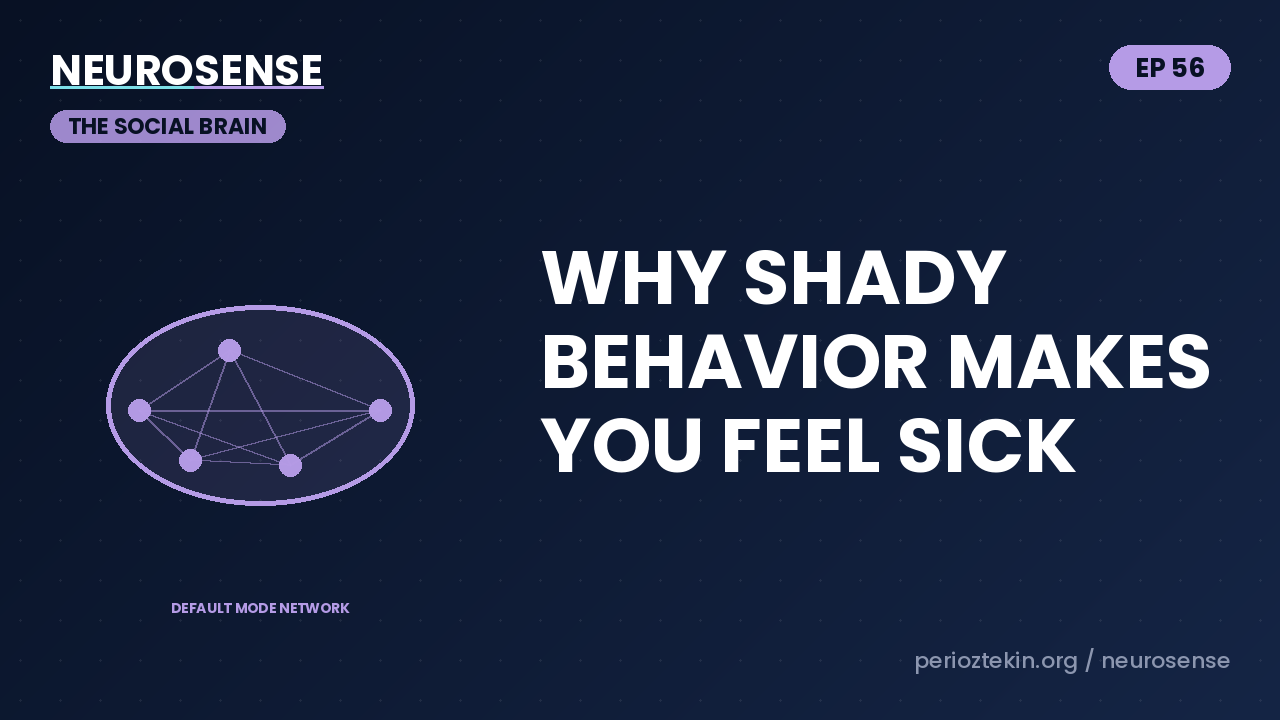
Why Shady Behavior Makes You Feel Sick
The Sixth Sense You Use Every Second
Creative Incubation: Step Away to Solve It
Your Fear Fires Before Your Logic Loads
Why a Friend's Embarrassment Hurts You
Why Stress Stays In Your Body
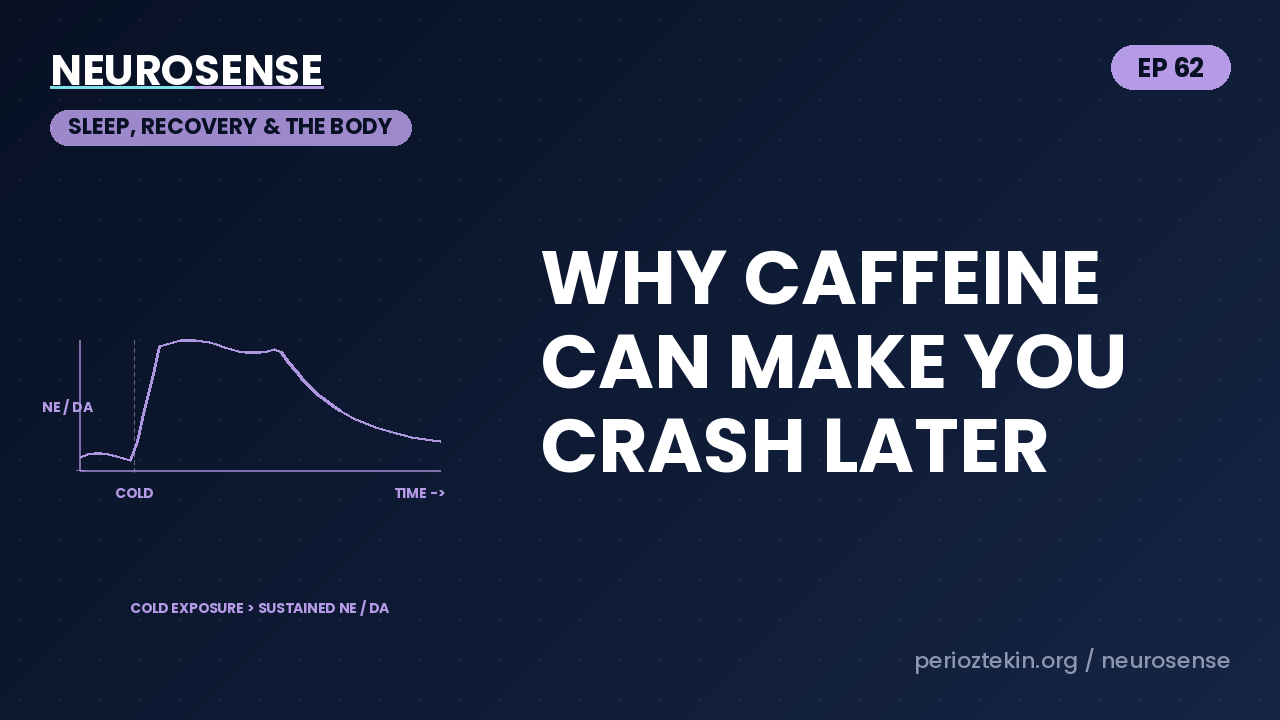
Why Caffeine Can Make You Crash Later
Why Wanting Feels So Hard to Ignore
How Your Brain Turns the Volume Down
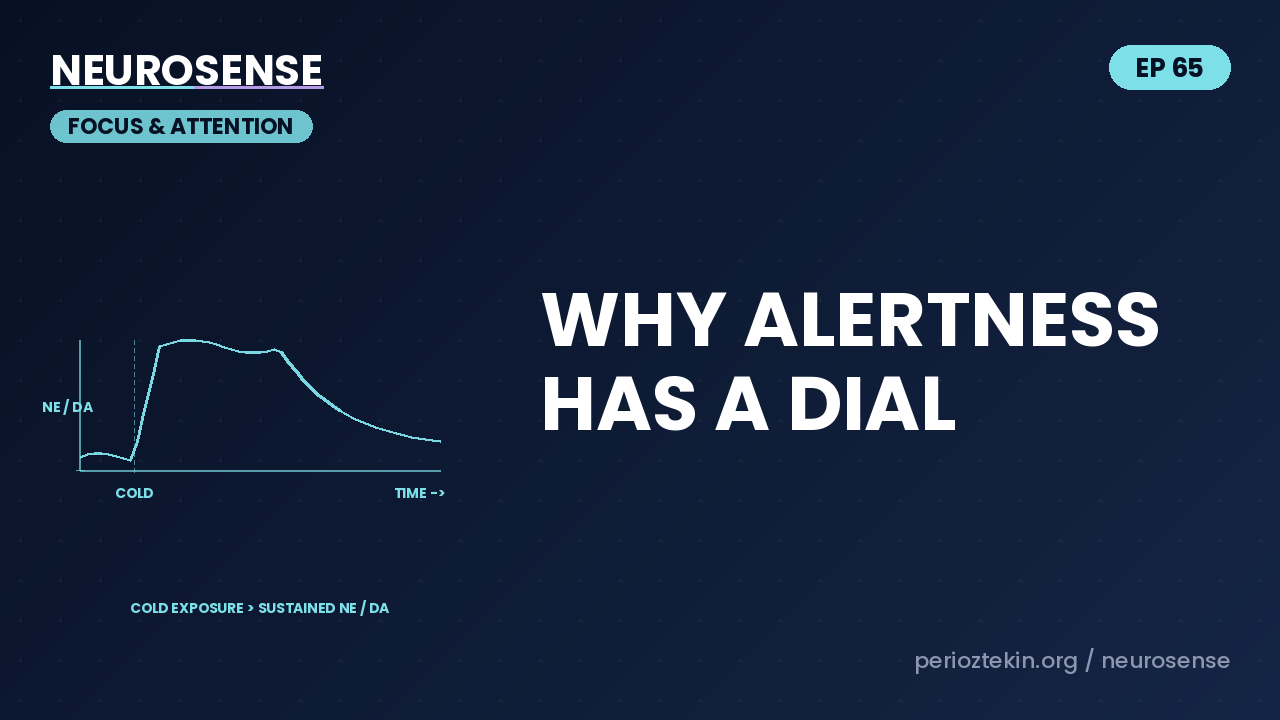
Why Alertness Has a Dial
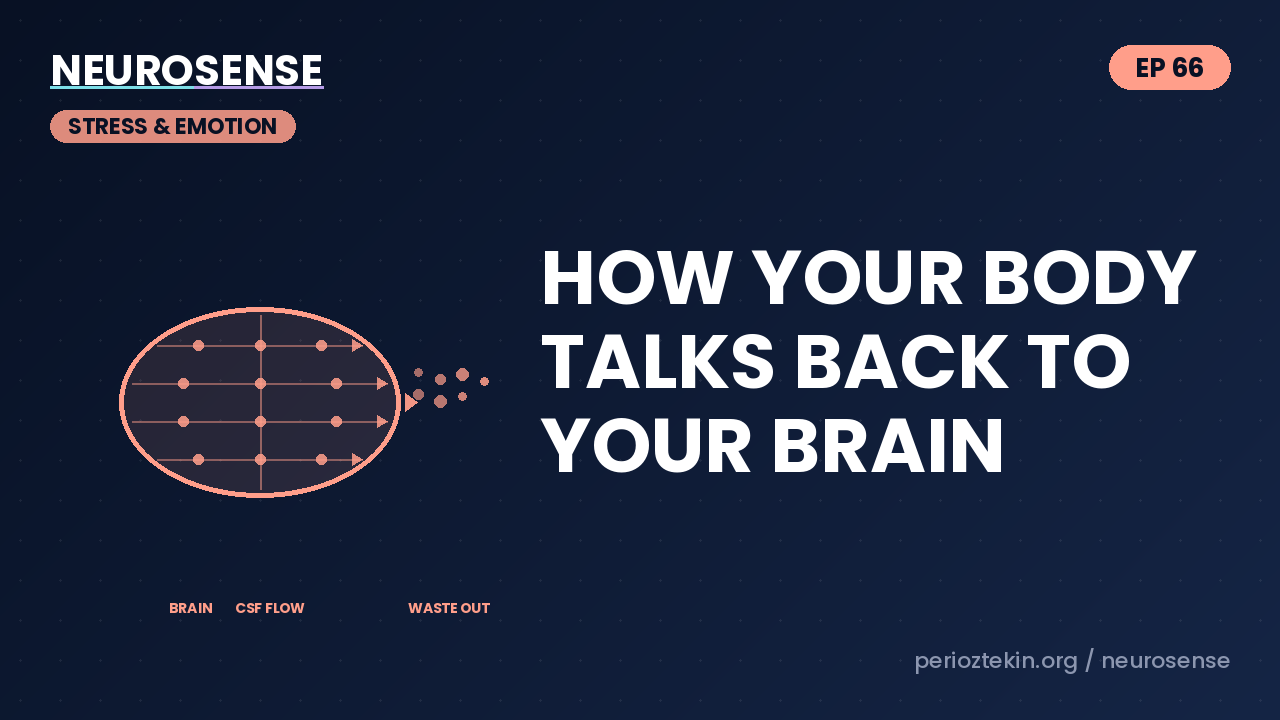
How Your Body Talks Back to Your Brain
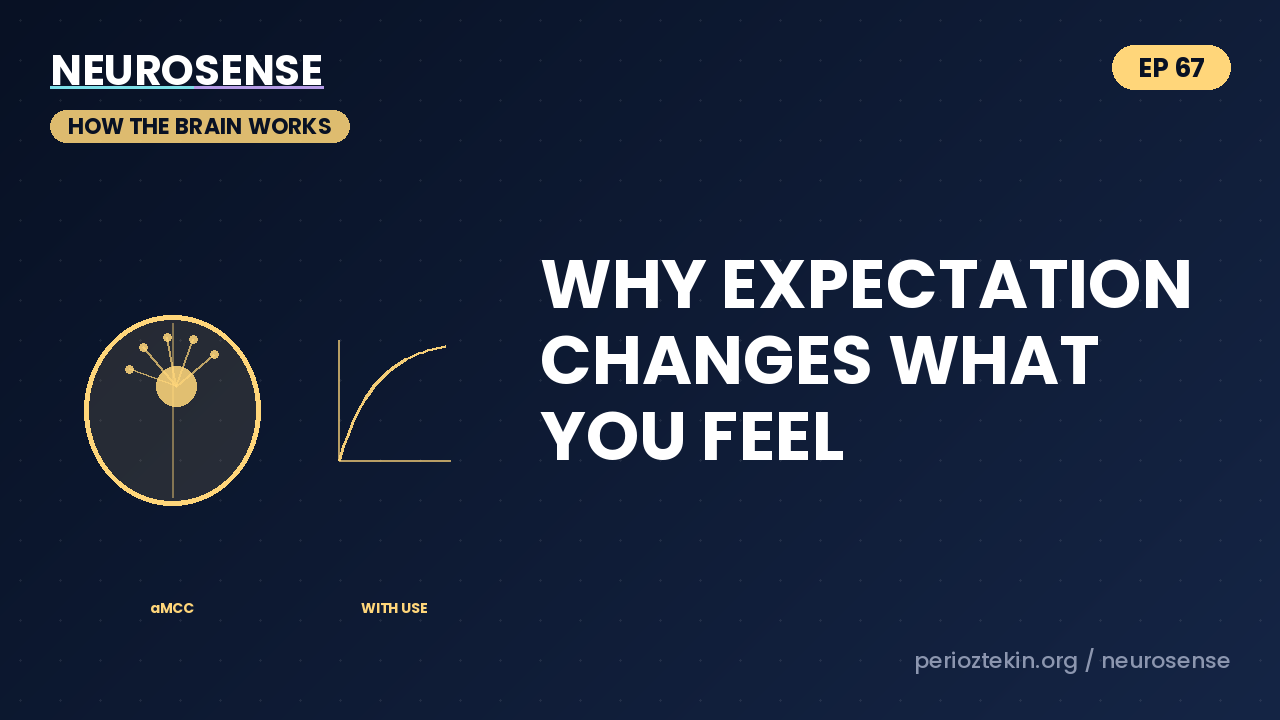
Why Expectation Changes What You Feel
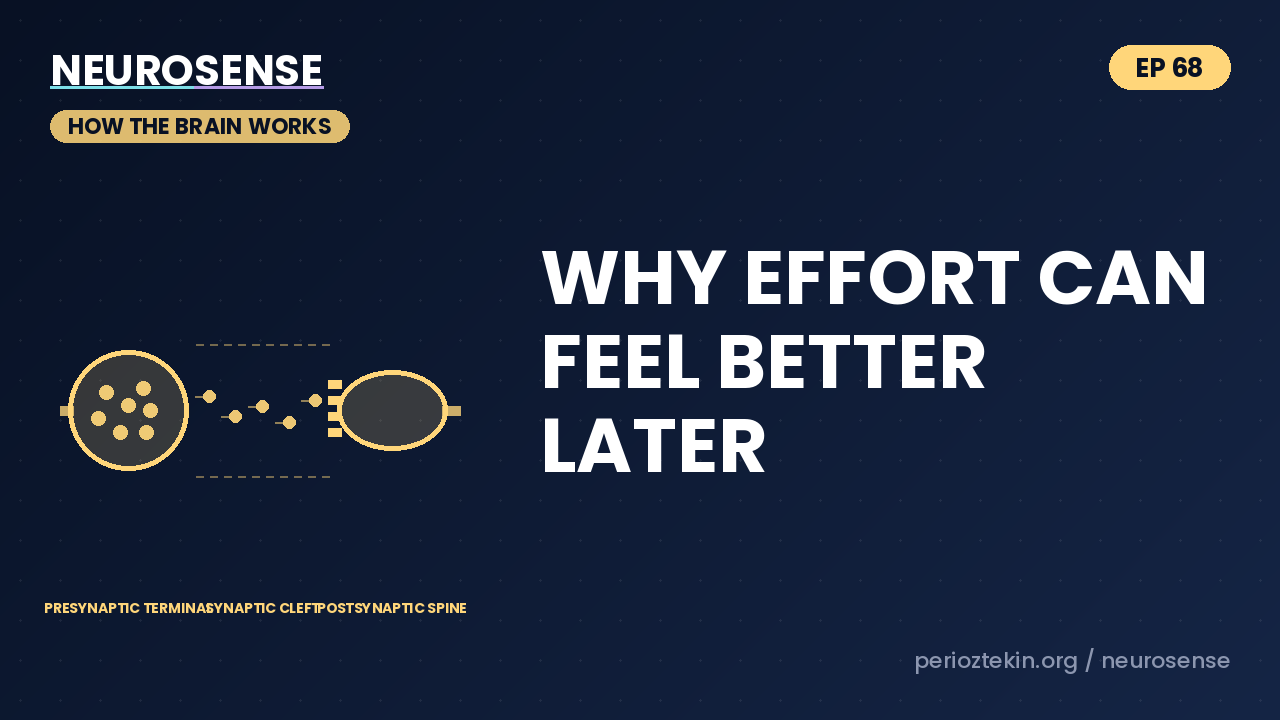
Why Effort Can Feel Better Later
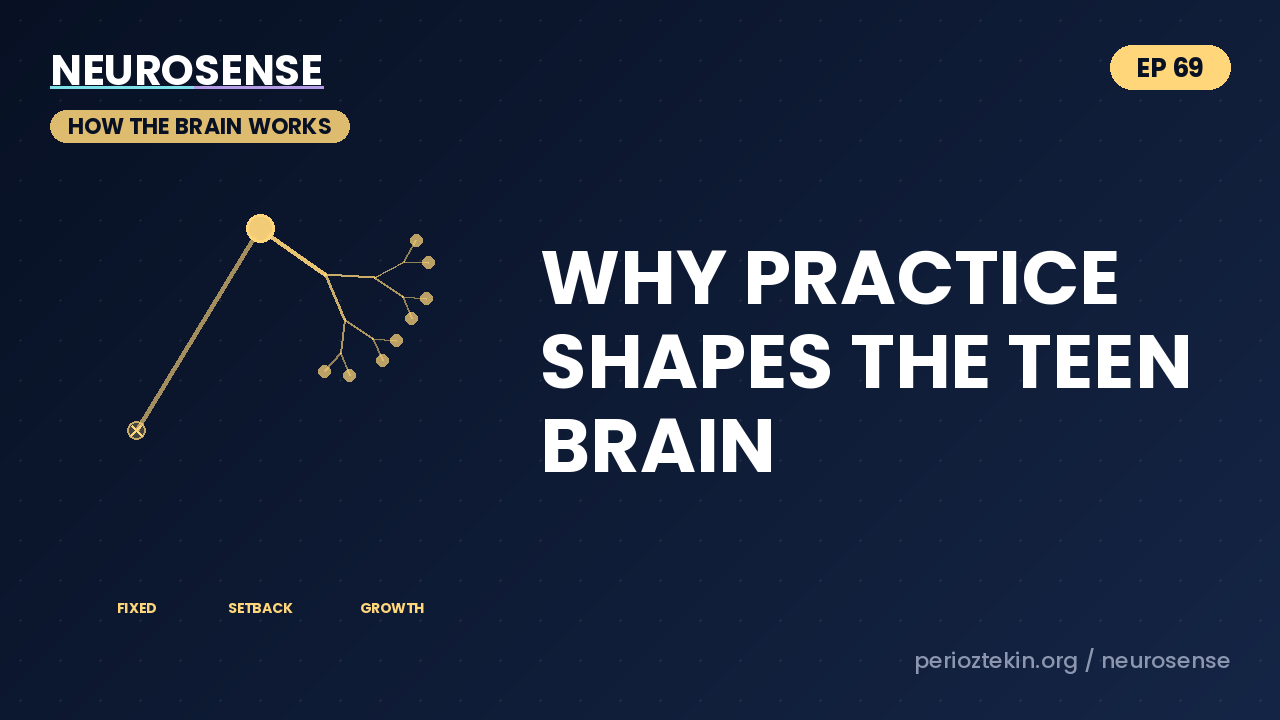
Why Practice Shapes the Teen Brain
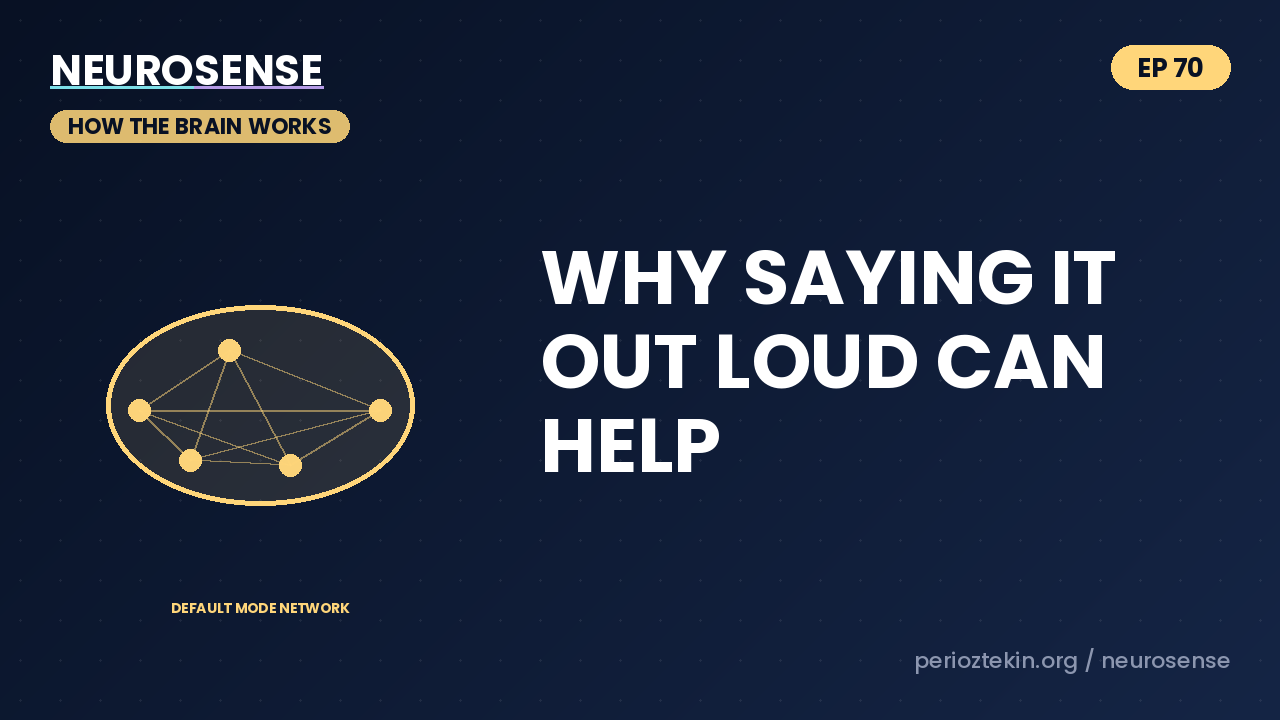
Why Saying It Out Loud Can Help
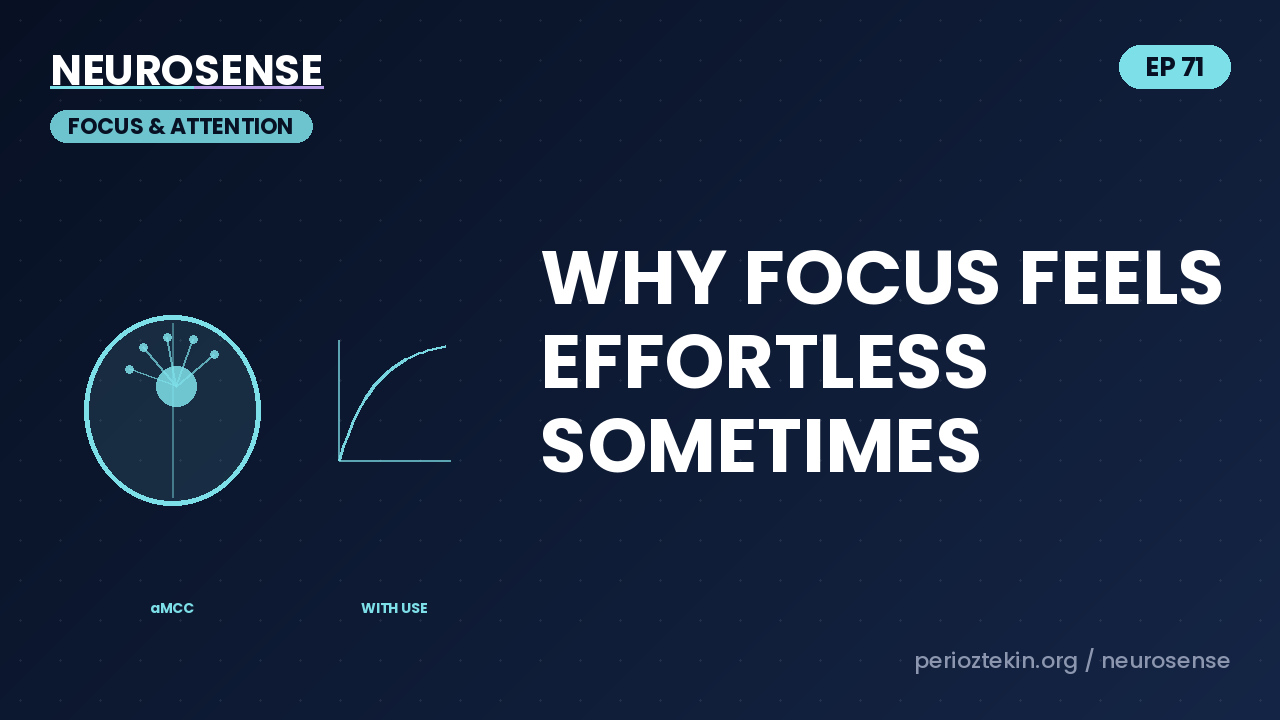
Why Focus Feels Effortless Sometimes
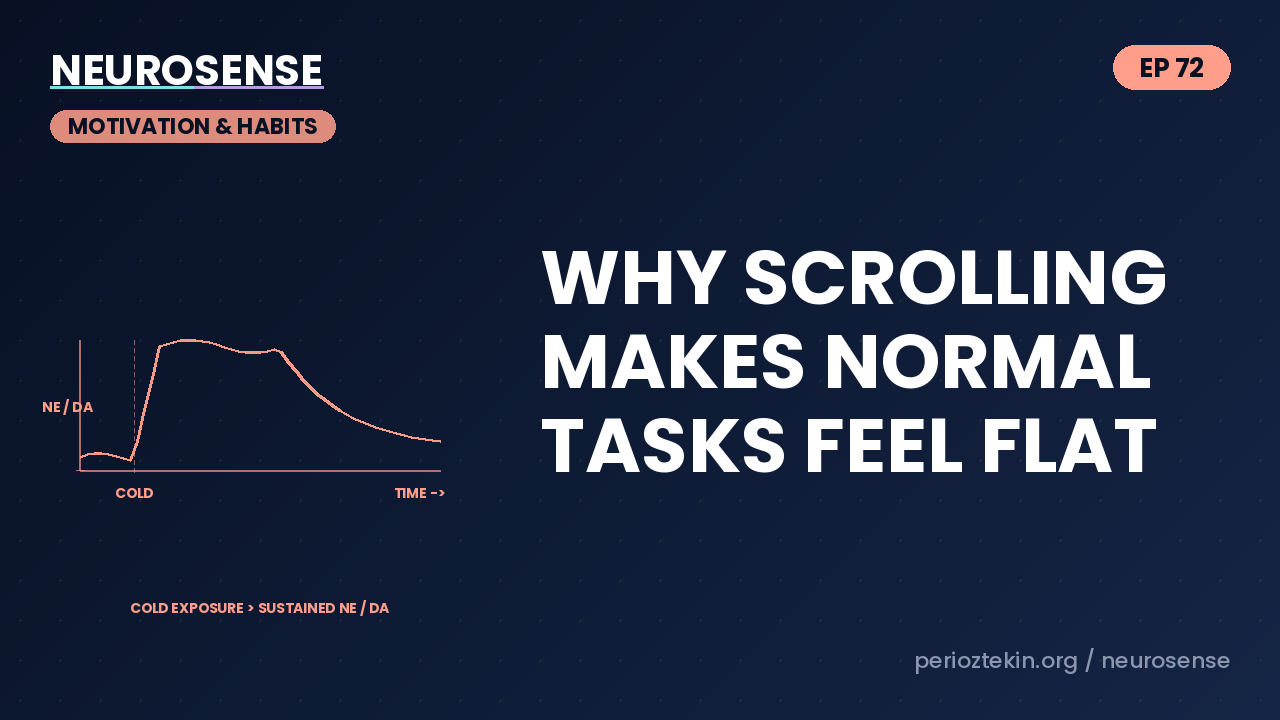
Why Scrolling Makes Normal Tasks Feel Flat
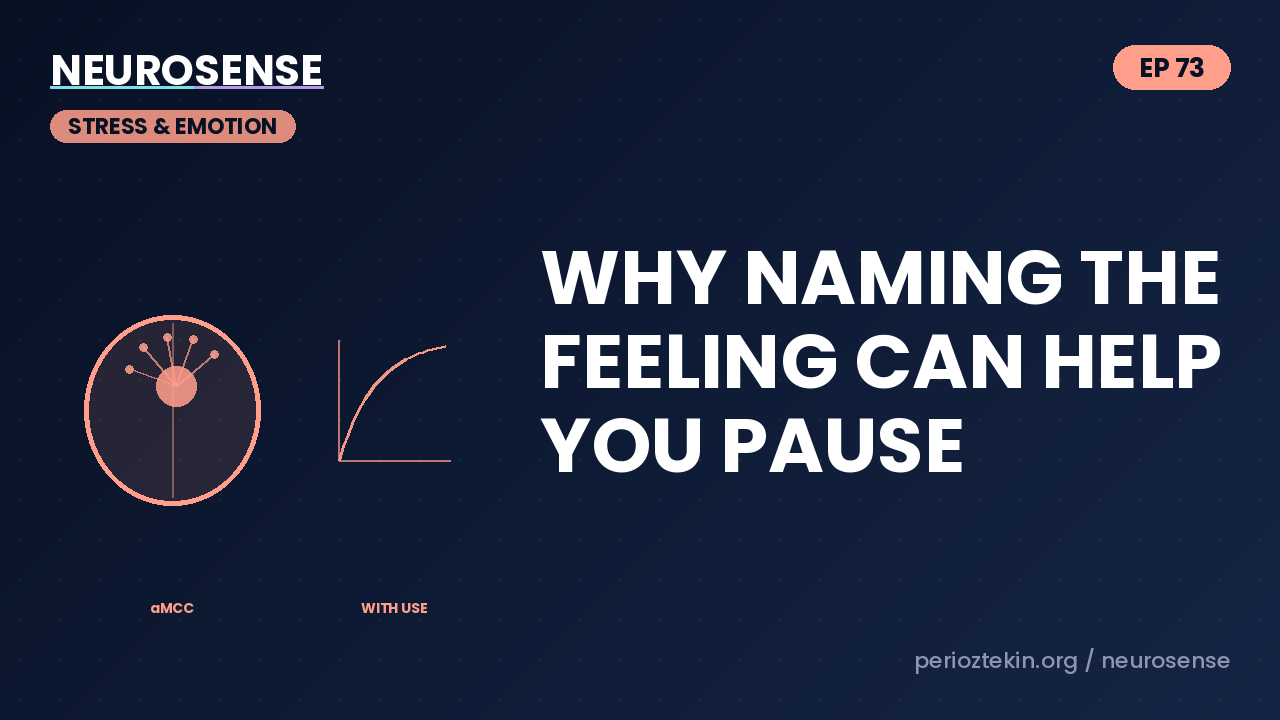
Why Naming the Feeling Can Help You Pause
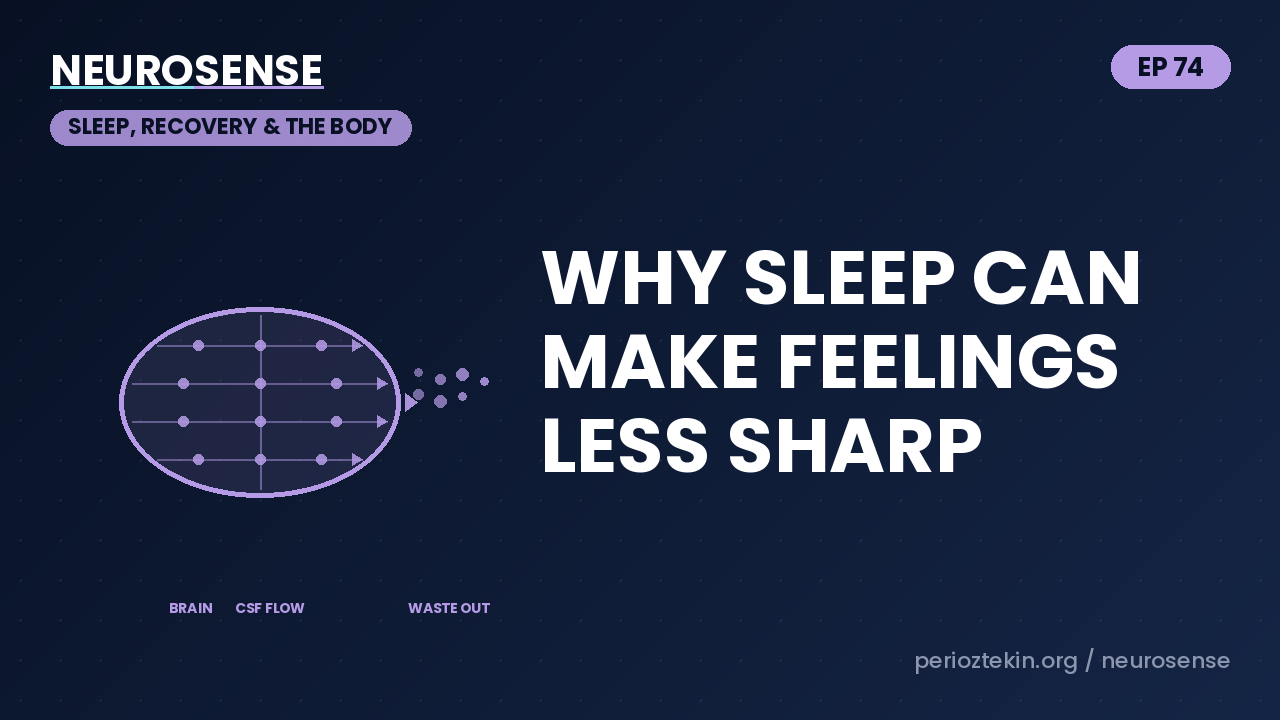
Why Sleep Can Make Feelings Less Sharp
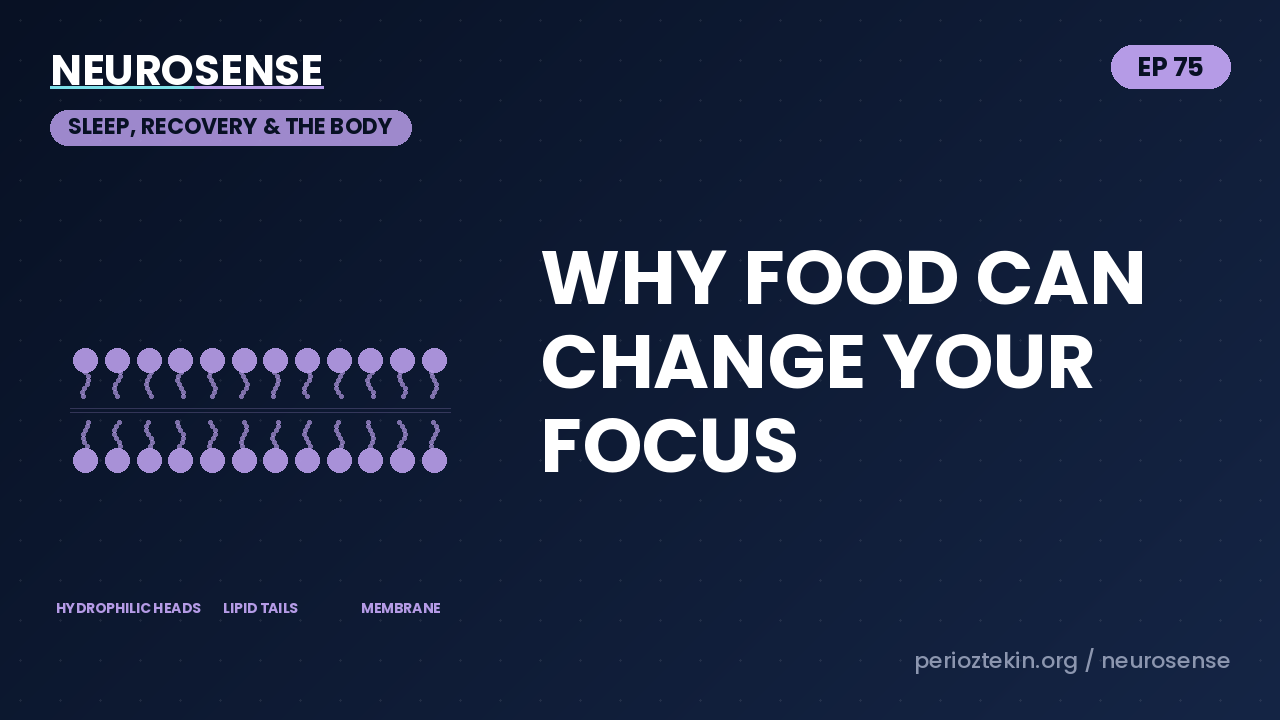
Why Food Can Change Your Focus
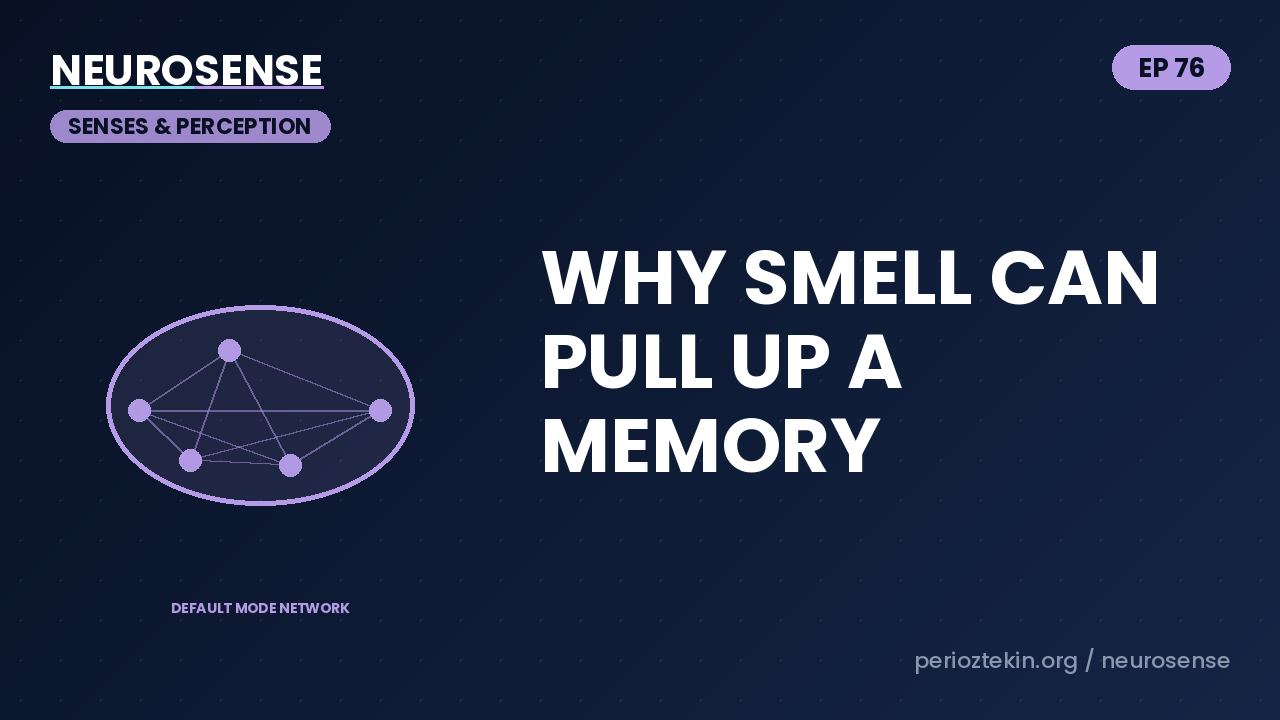
Why Smell Can Pull Up a Memory
Why Your Brain Needs Zoom and Wide Angle
Why Movement Grabs Your Eyes
Why Bright Nights Delay Sleep
Why Learning Keeps the Brain Flexible
Why Stress Needs a Recovery Signal
Why Too Many Inputs Split Your Focus
Why Reaching Out Gets Harder Alone
Why Empathy Needs Boundaries
Why Brain Explanations Need Care
Why Hormones Need Steady Cues
Why Real Confidence Feels Calm
Why Focus Needs Brakes
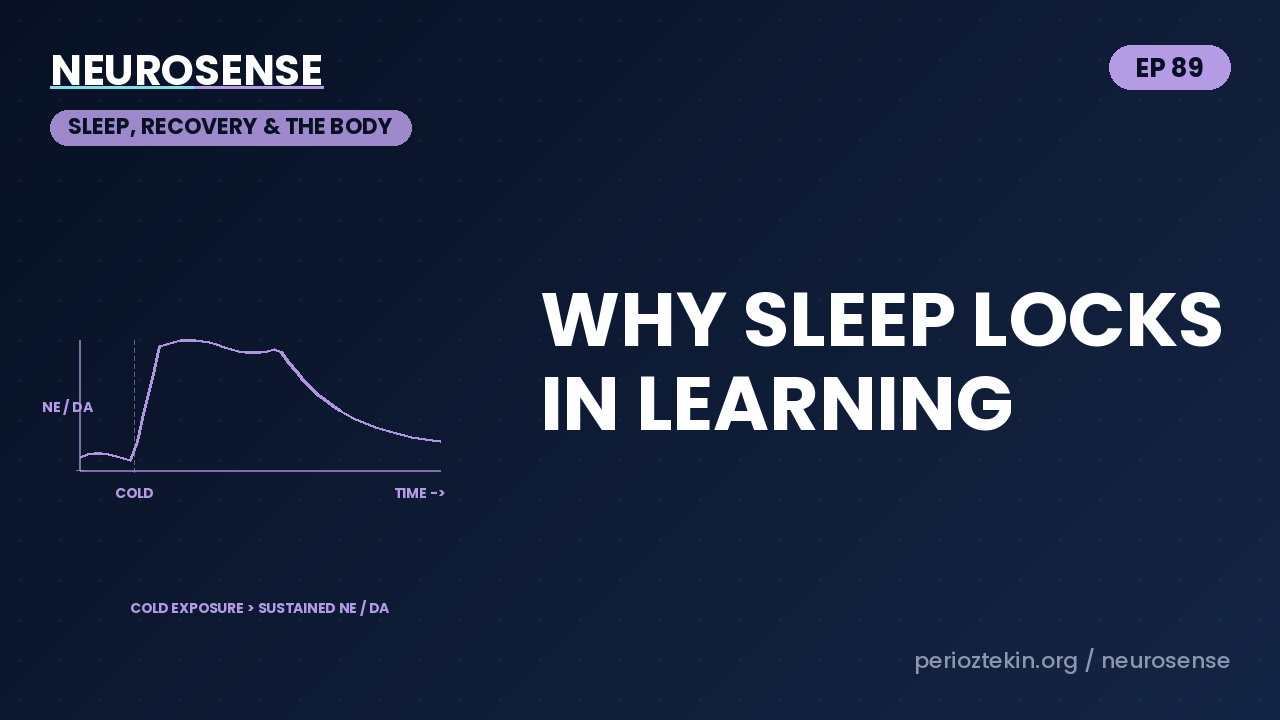
Why Sleep Locks In Learning
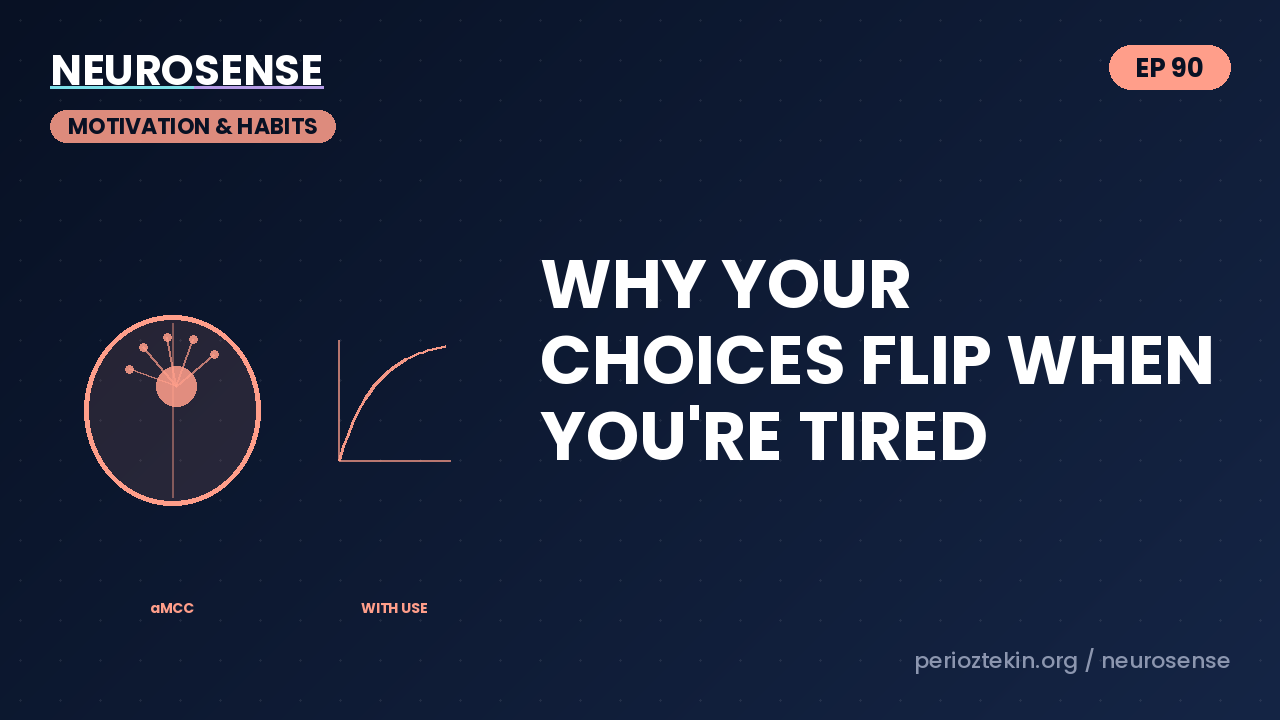
Why Your Choices Flip When You're Tired
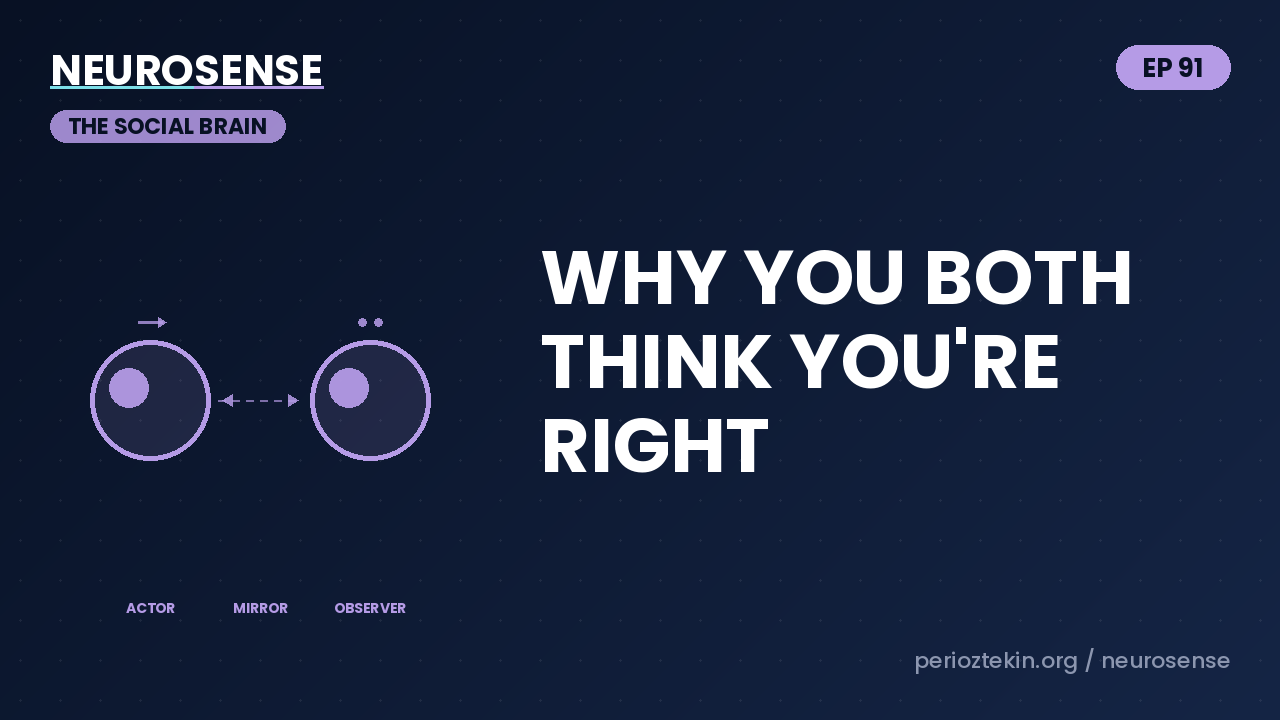
Why You Both Think You're Right
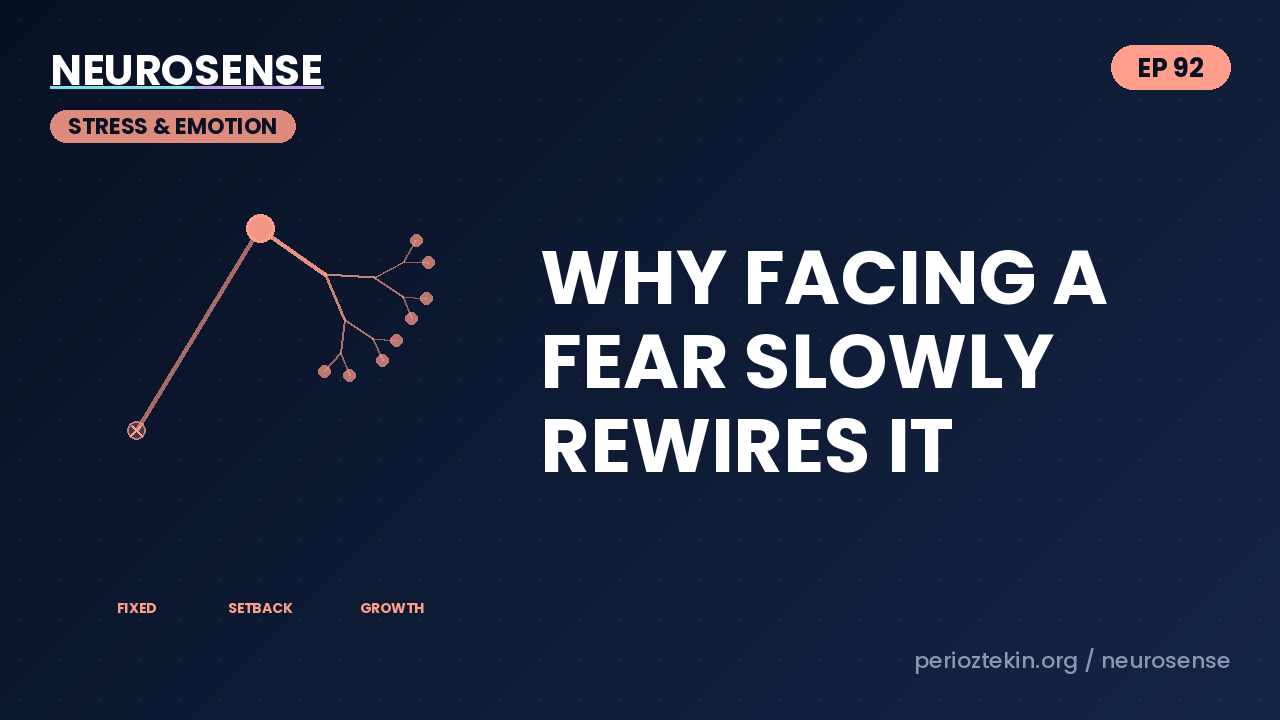
Why Facing a Fear Slowly Rewires It
Why a Hot Room Kills Your Focus
Why No Two Brains Run the Same Way
Why Doing Hard Things Builds Calm
Why Real Focus Saves the Memory
Why the Answer Comes After You Stop
Why Your Hands Take Up So Much Brain
Why Two Seconds of Eye Contact Matters
You Are the Programmer
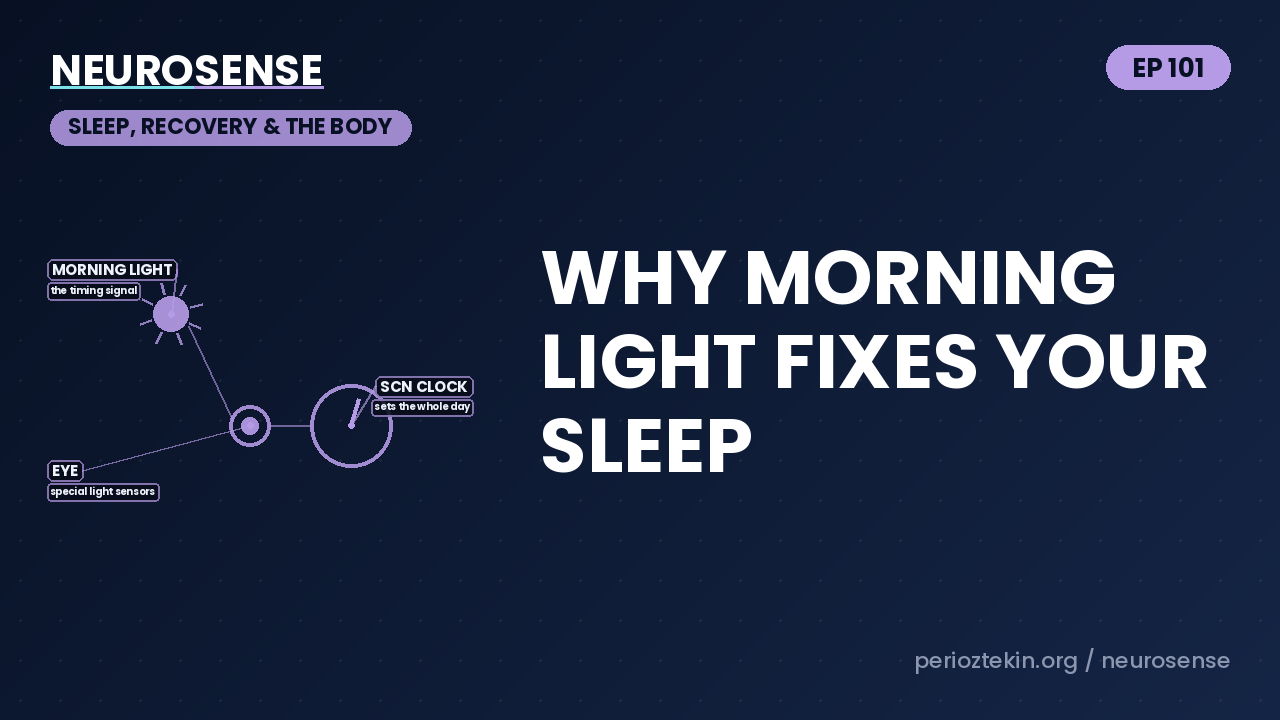
Why Morning Light Fixes Your Sleep
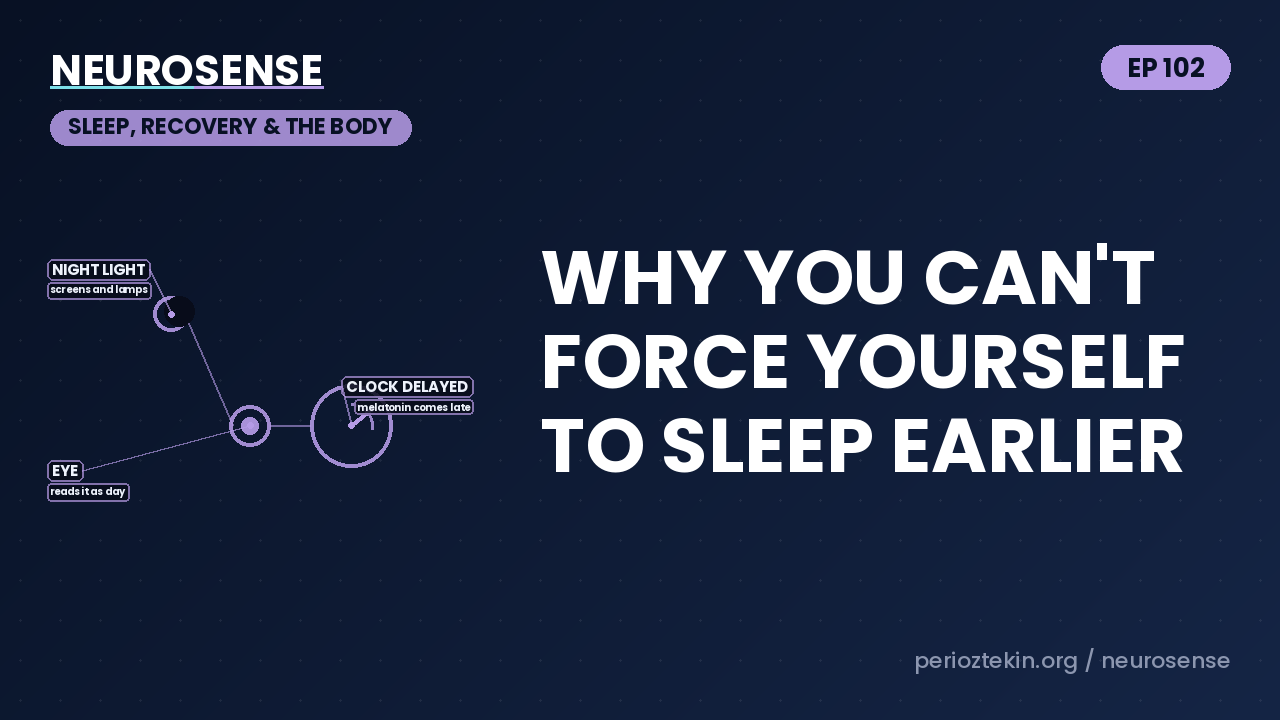
Why You Can't Force Yourself to Sleep Earlier
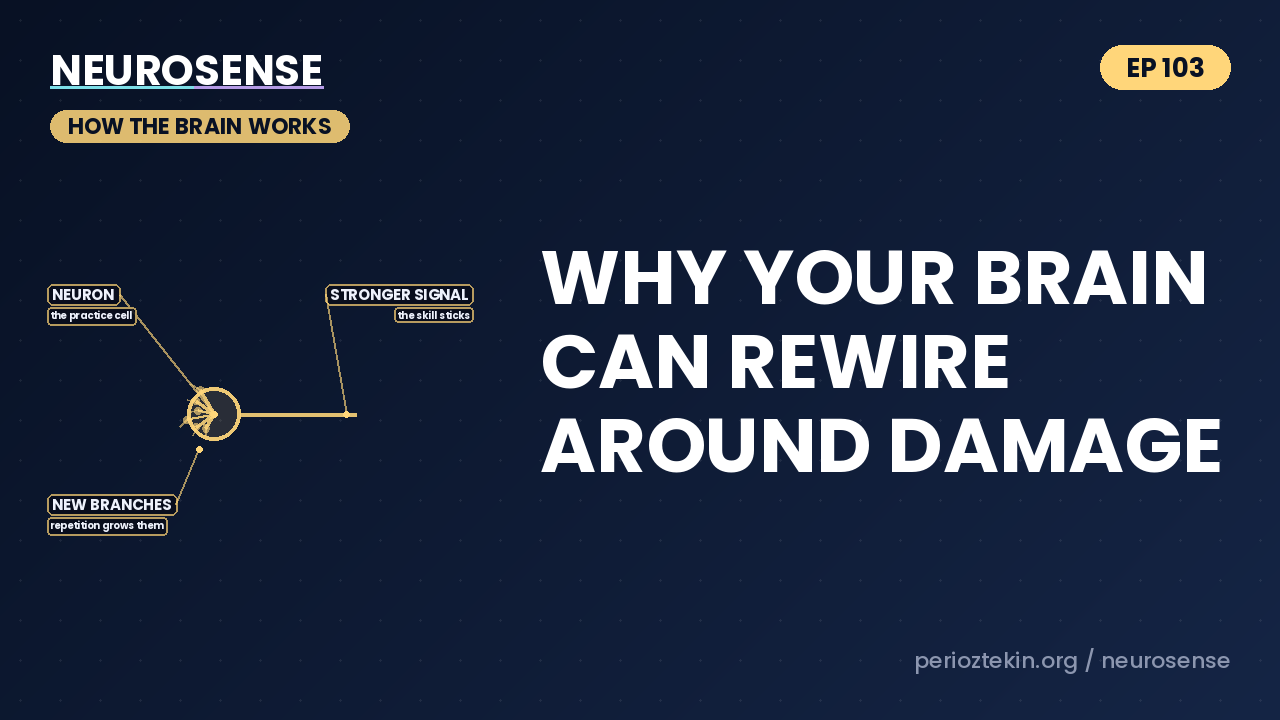
Why Your Brain Can Rewire Around Damage
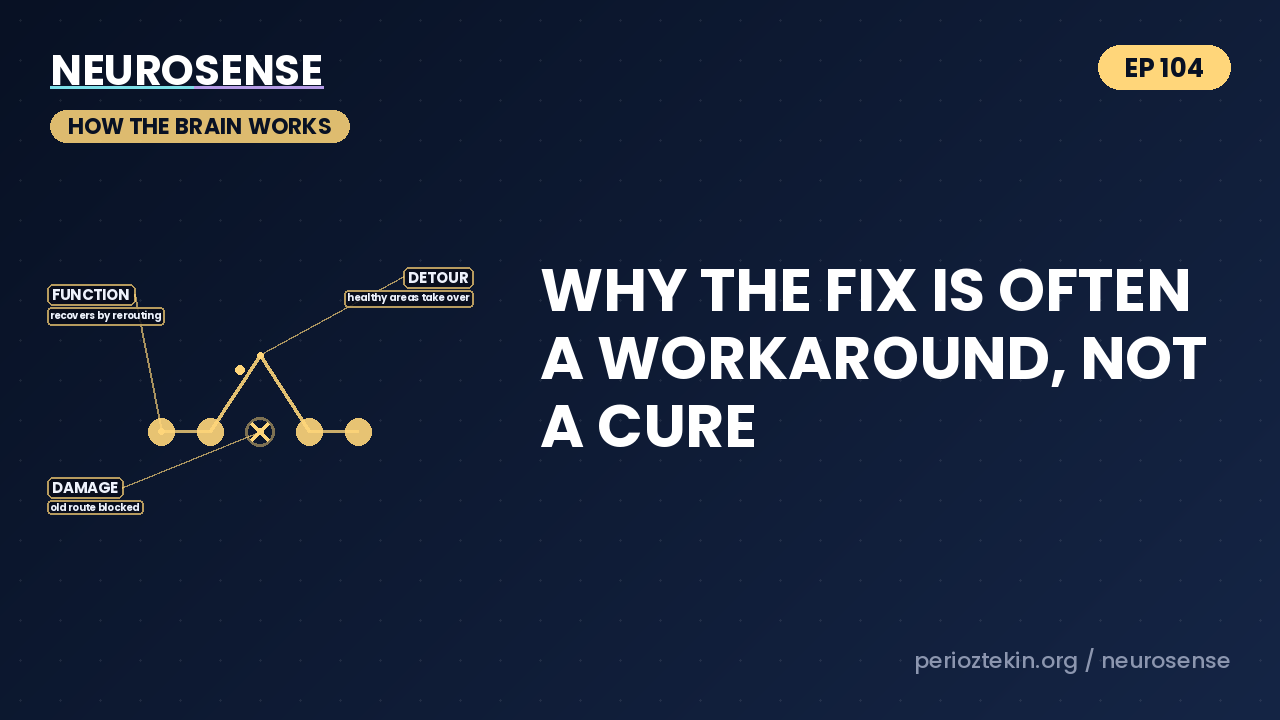
Why the Fix Is Often a Workaround, Not a Cure
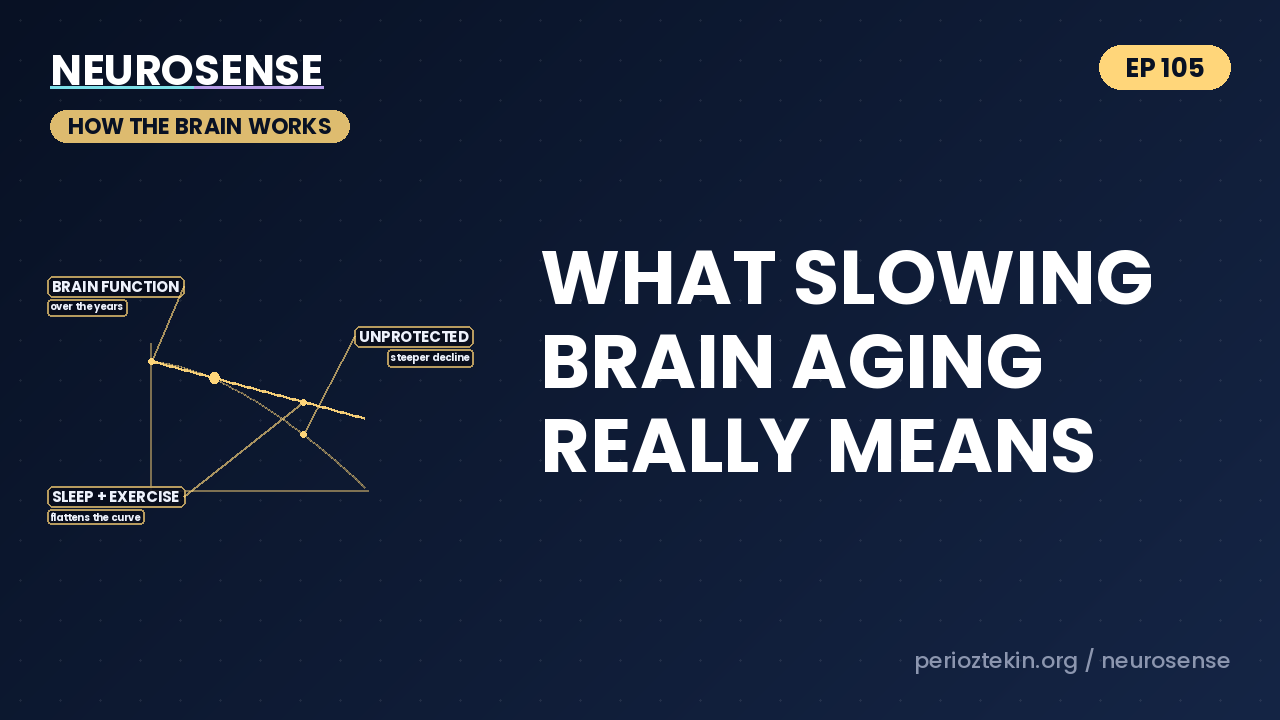
What Slowing Brain Aging Really Means
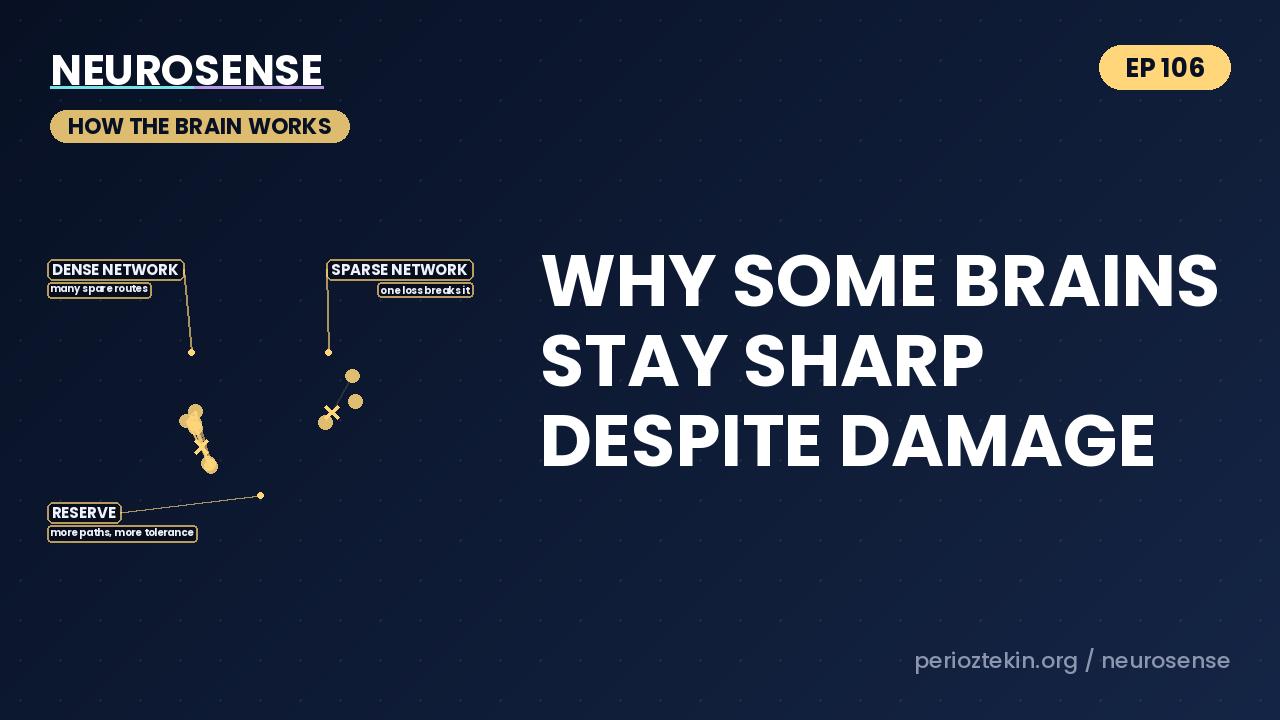
Why Some Brains Stay Sharp Despite Damage
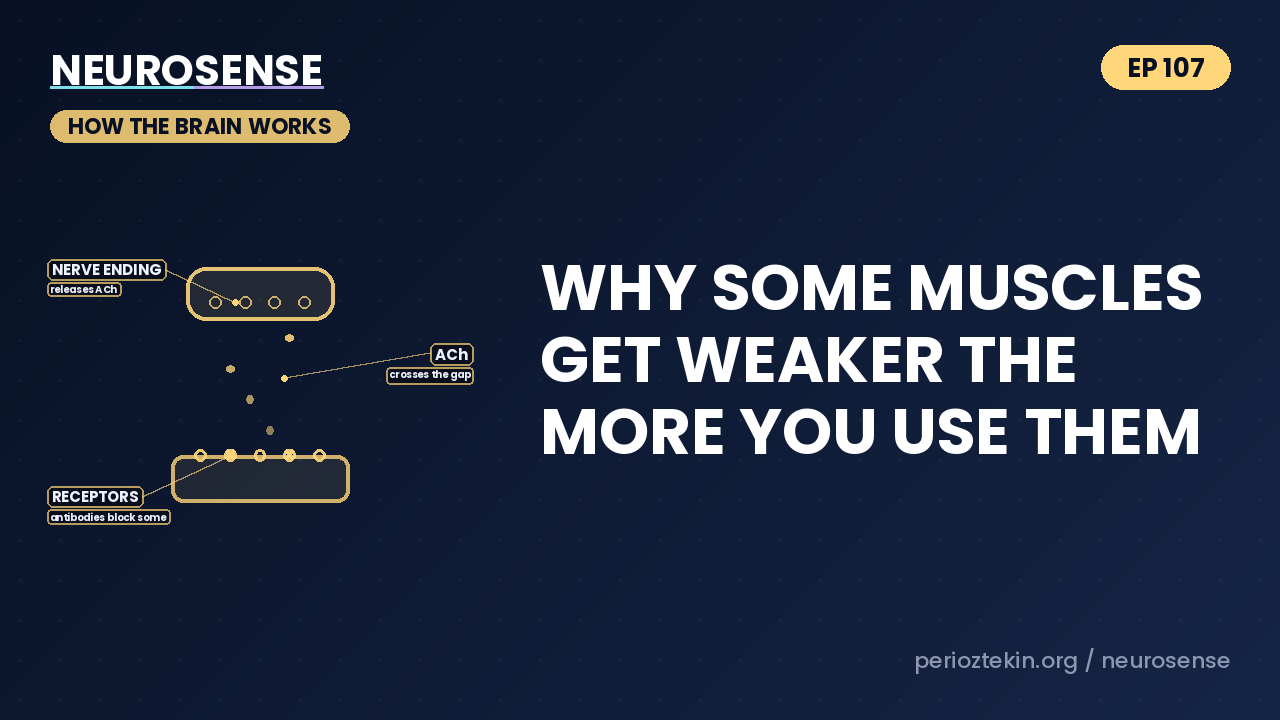
Why Some Muscles Get Weaker the More You Use Them
The Difference Between Tired and Actually Weak
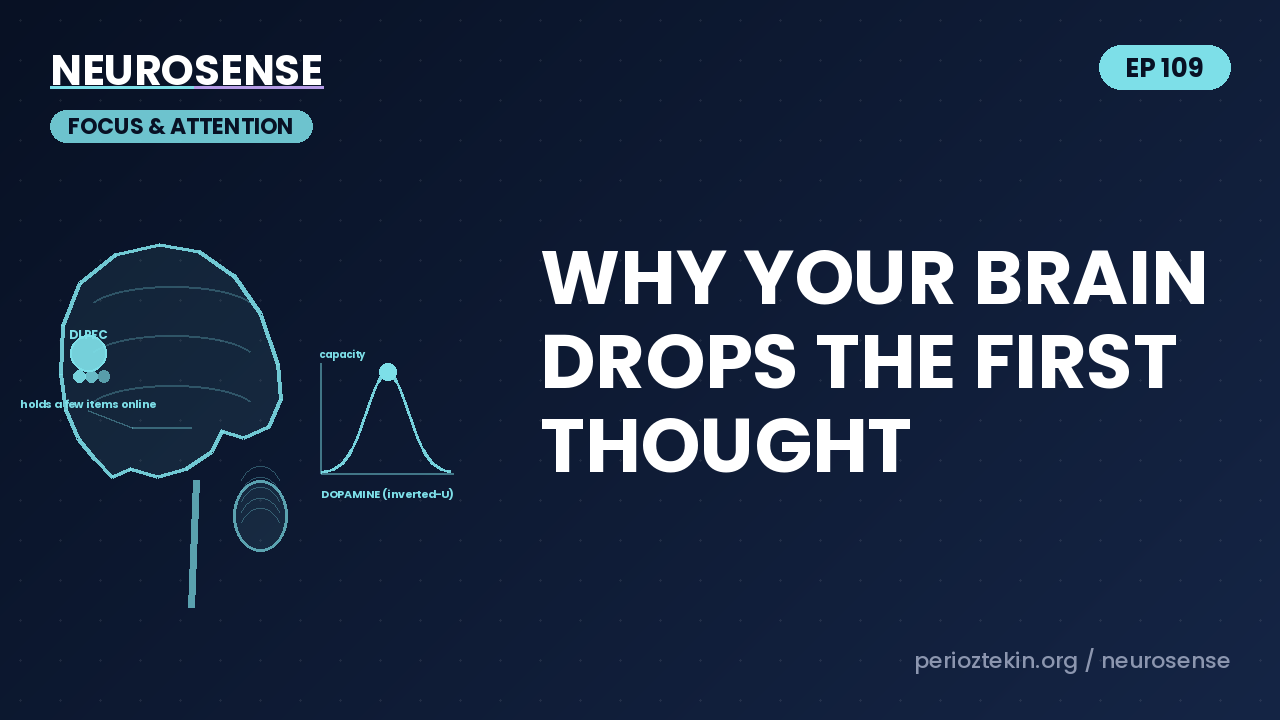
Why Your Brain Drops the First Thought
Mental Rehearsal Only Works Like This
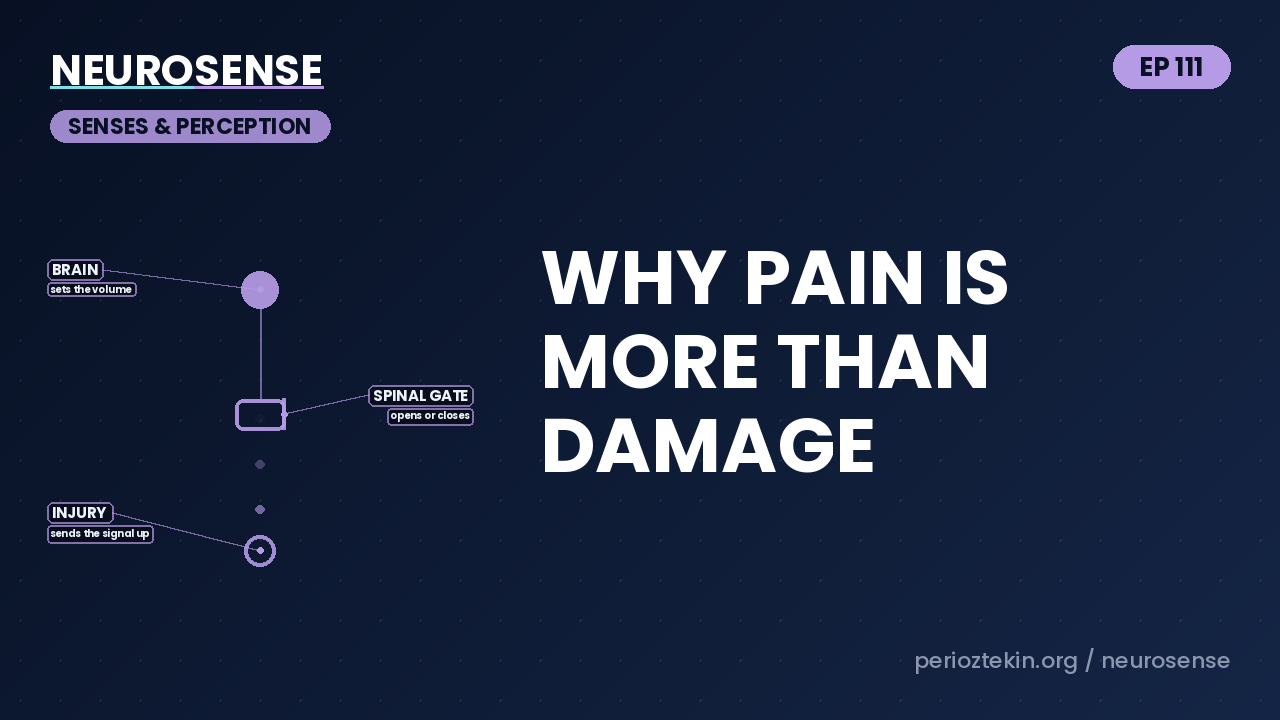
Why Pain Is More Than Damage
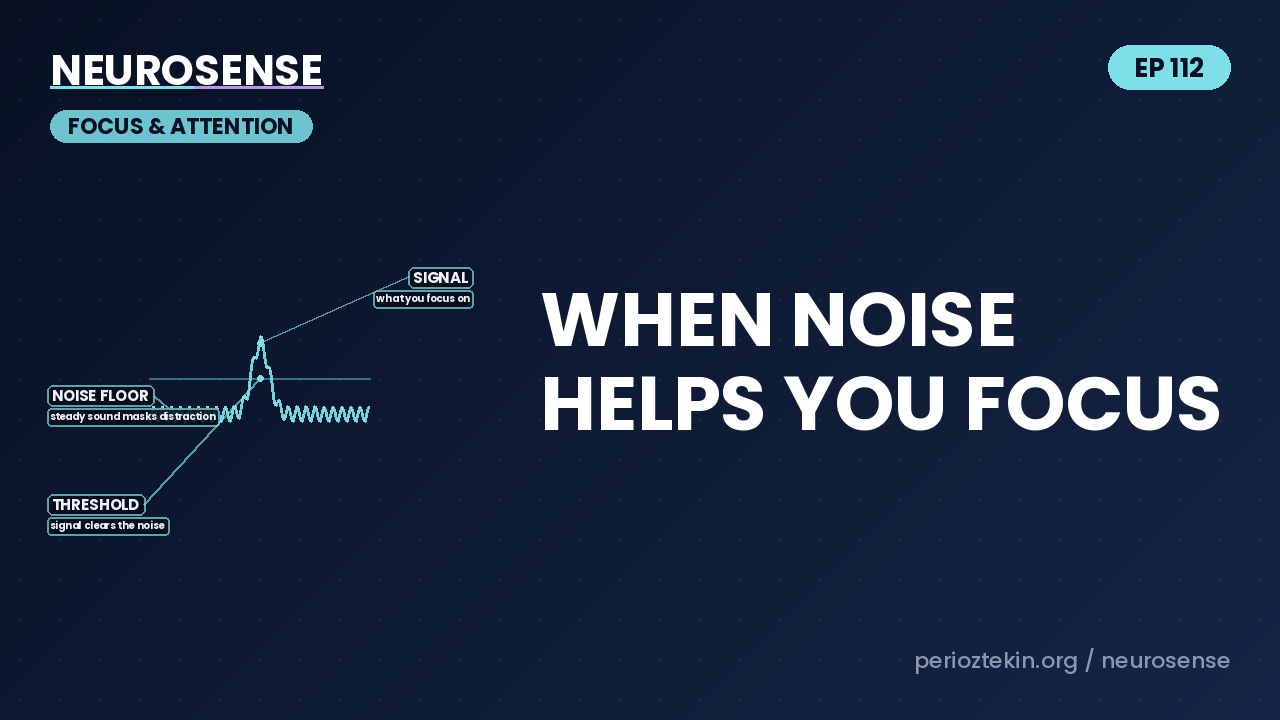
When Noise Helps You Focus
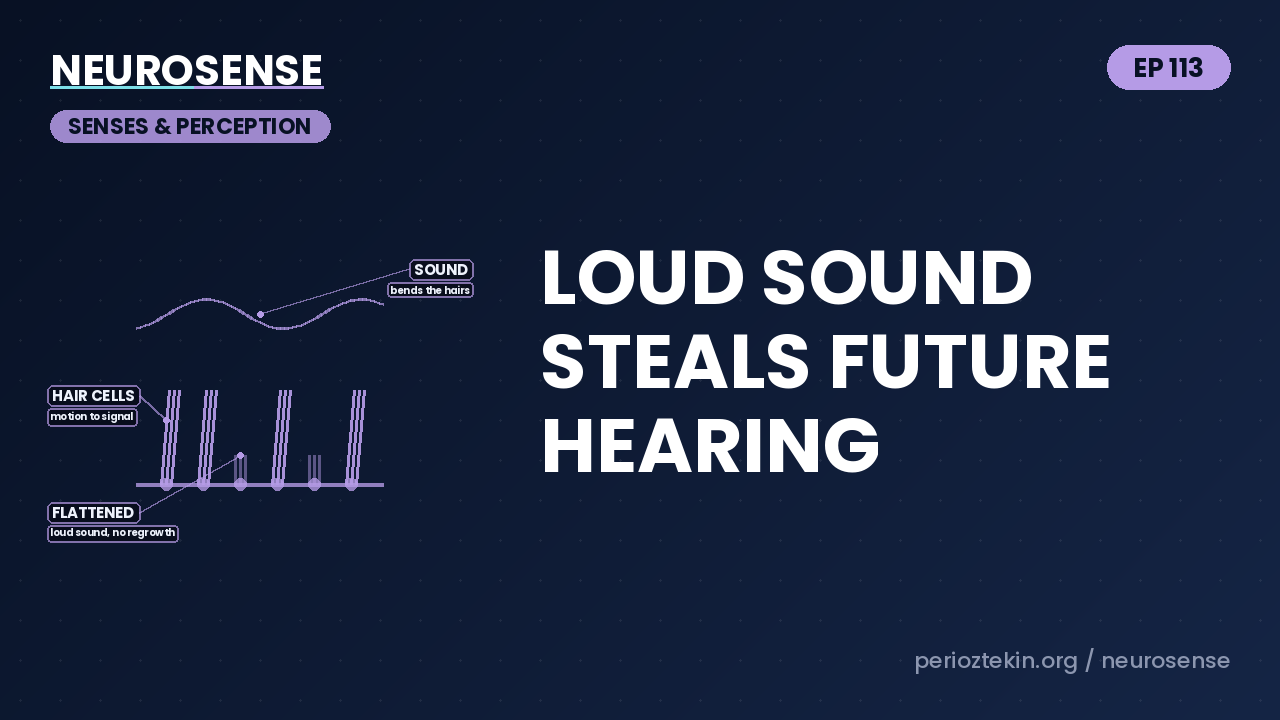
Loud Sound Steals Future Hearing
Why Cravings Arrive Early
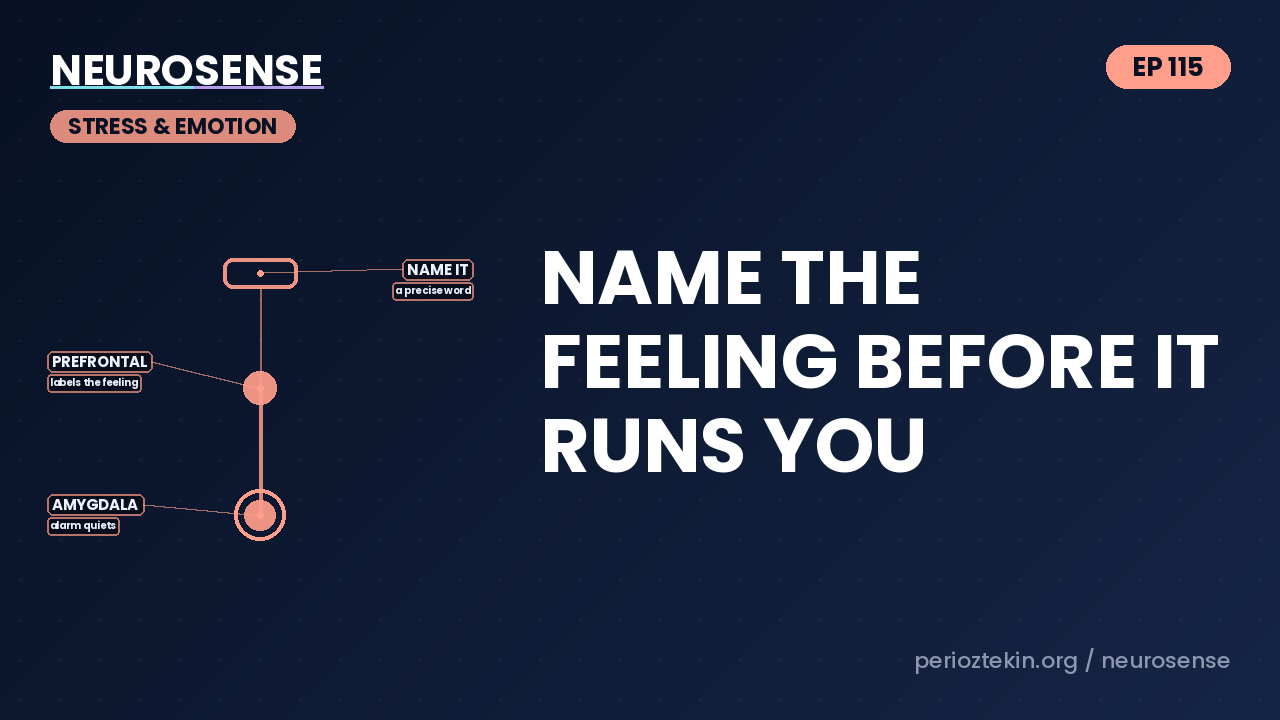
Name the Feeling Before It Runs You
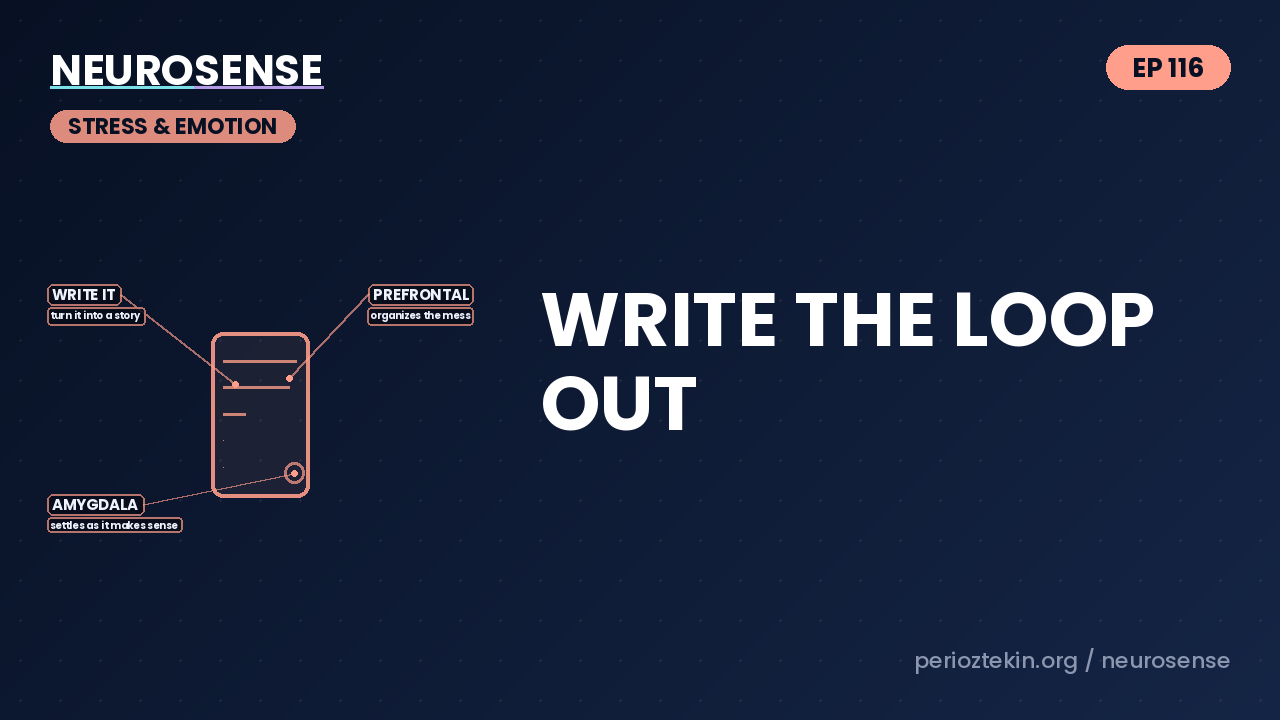
Write the Loop Out
Why a Vape Can Train Your Brain Fast
Why Alcohol Steals Tomorrow's Calm
Your Phone Can Pull Focus Without Buzzing
The Double Inhale Calms the Alarm
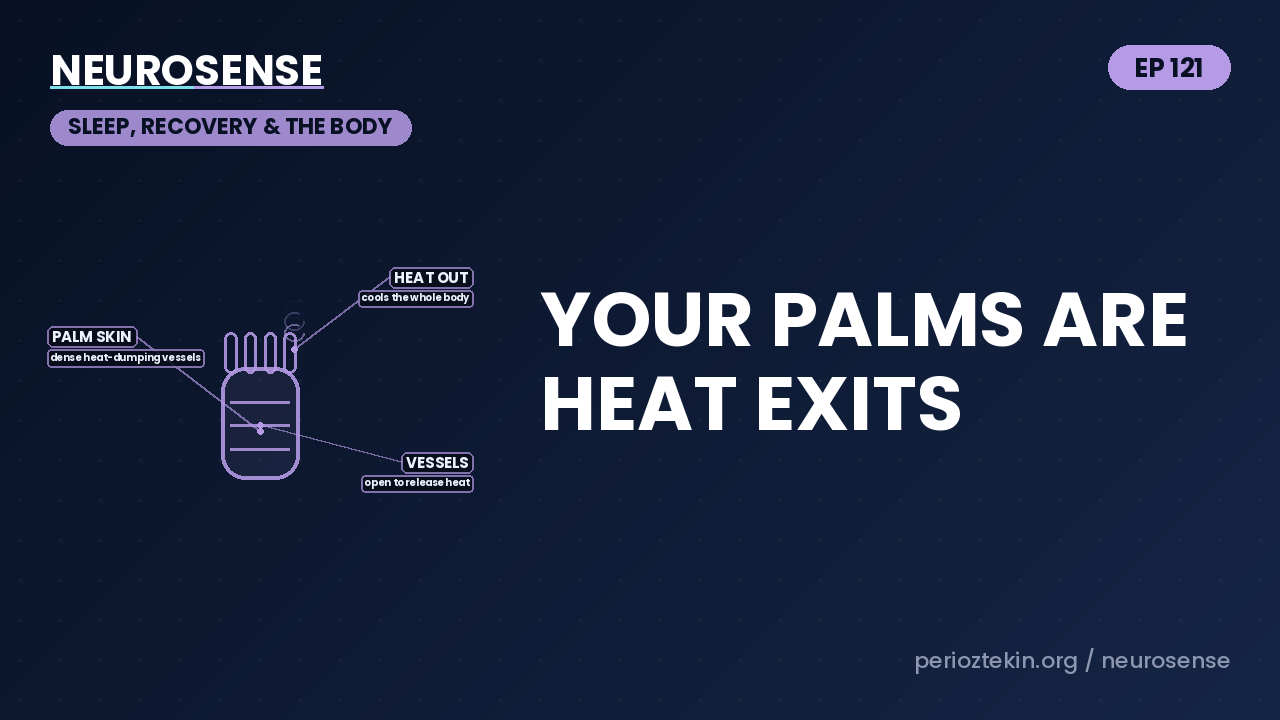
Your Palms Are Heat Exits
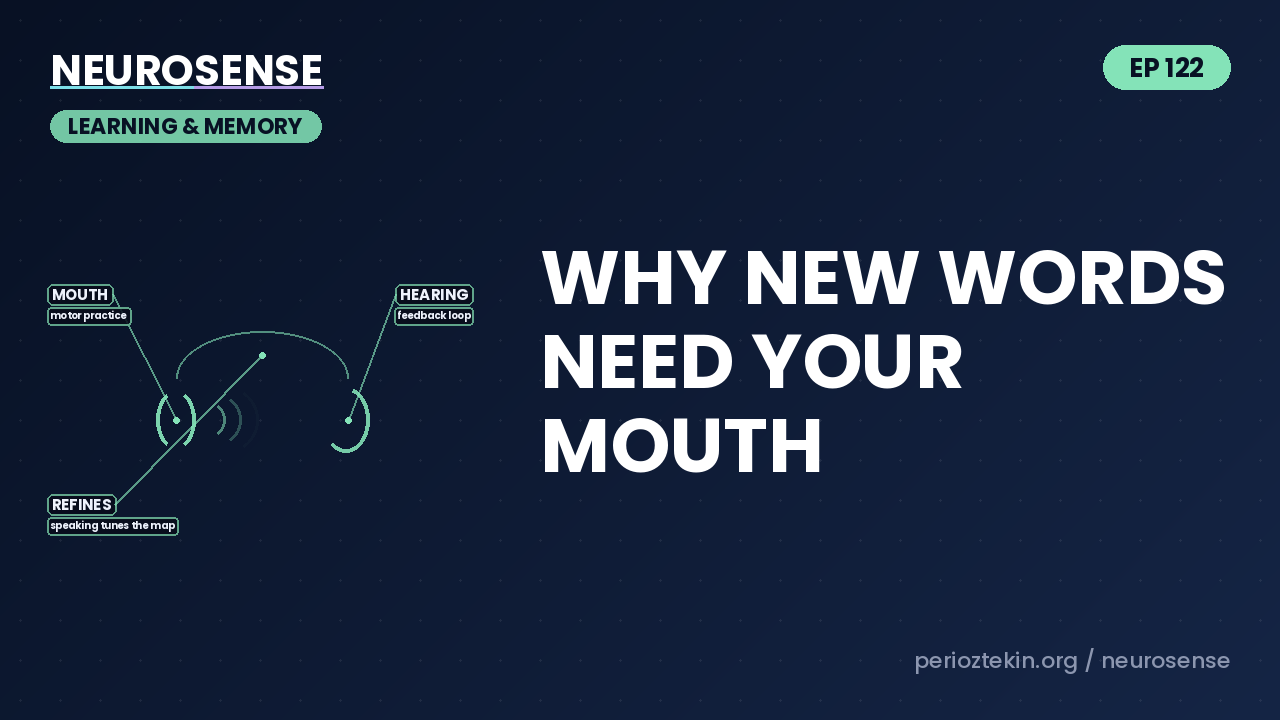
Why New Words Need Your Mouth
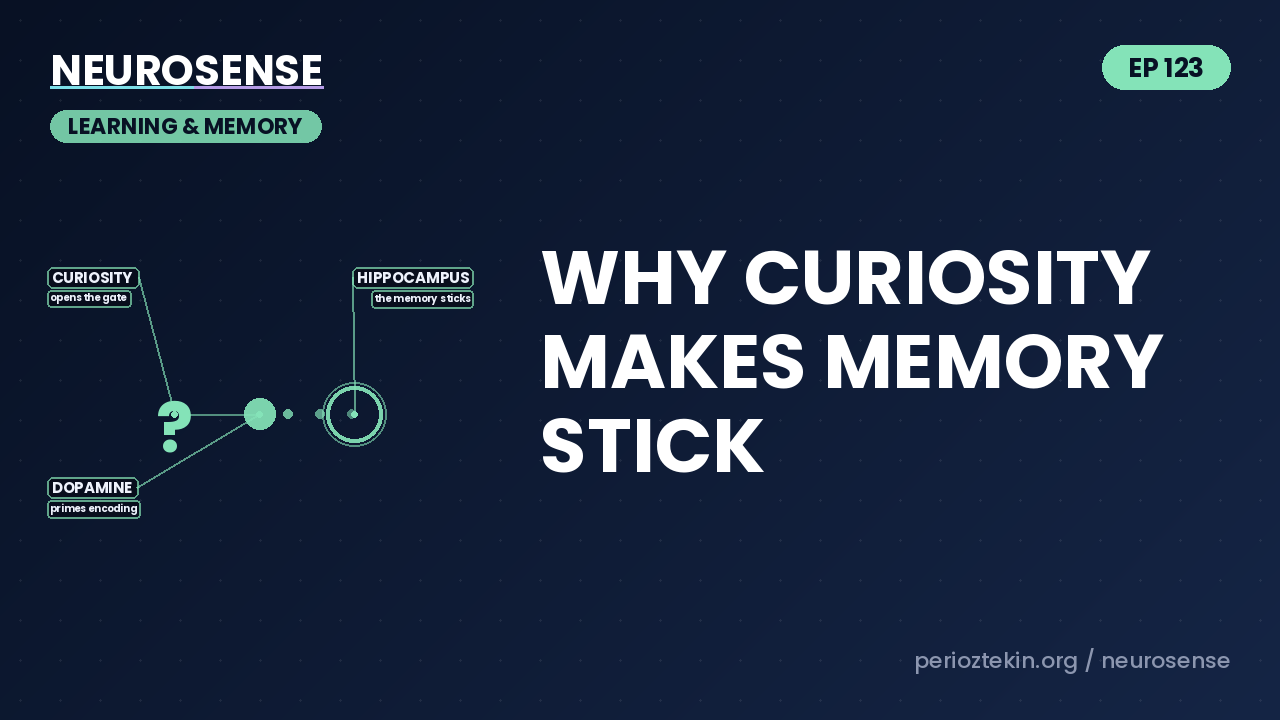
Why Curiosity Makes Memory Stick
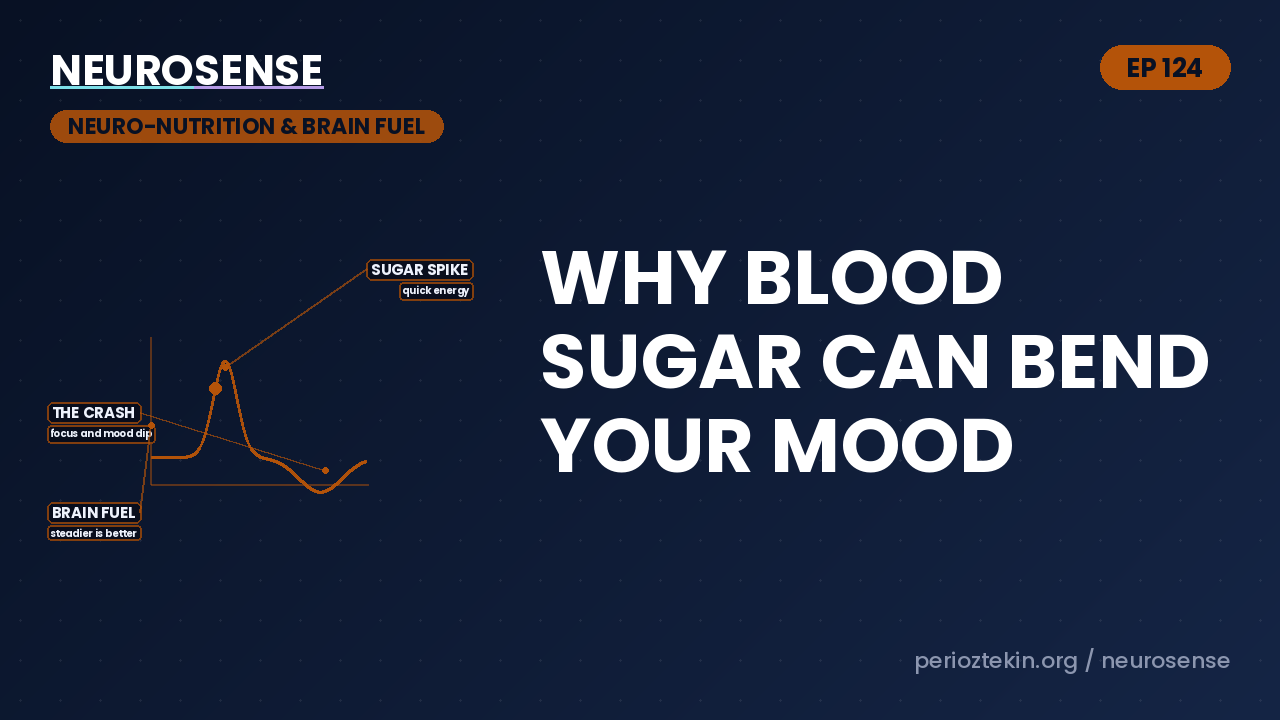
Why Blood Sugar Can Bend Your Mood
Why Cannabis Can Make Learning Feel Weird
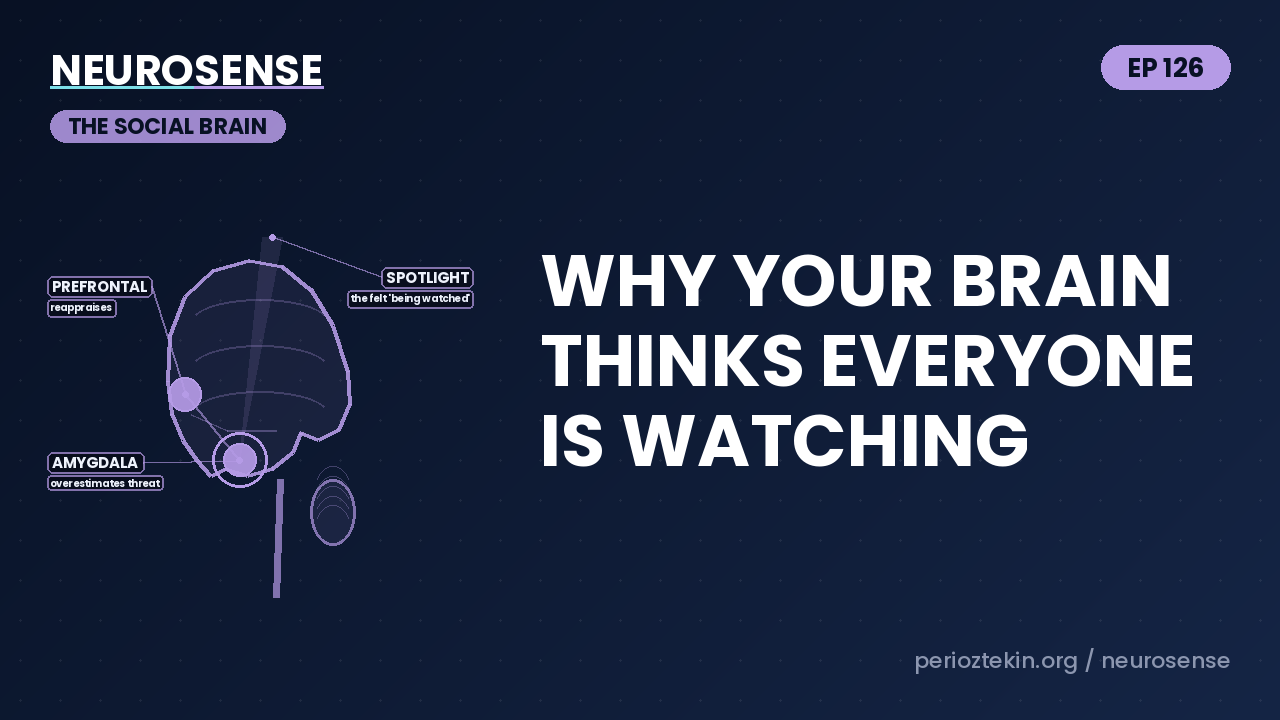
Why Your Brain Thinks Everyone Is Watching
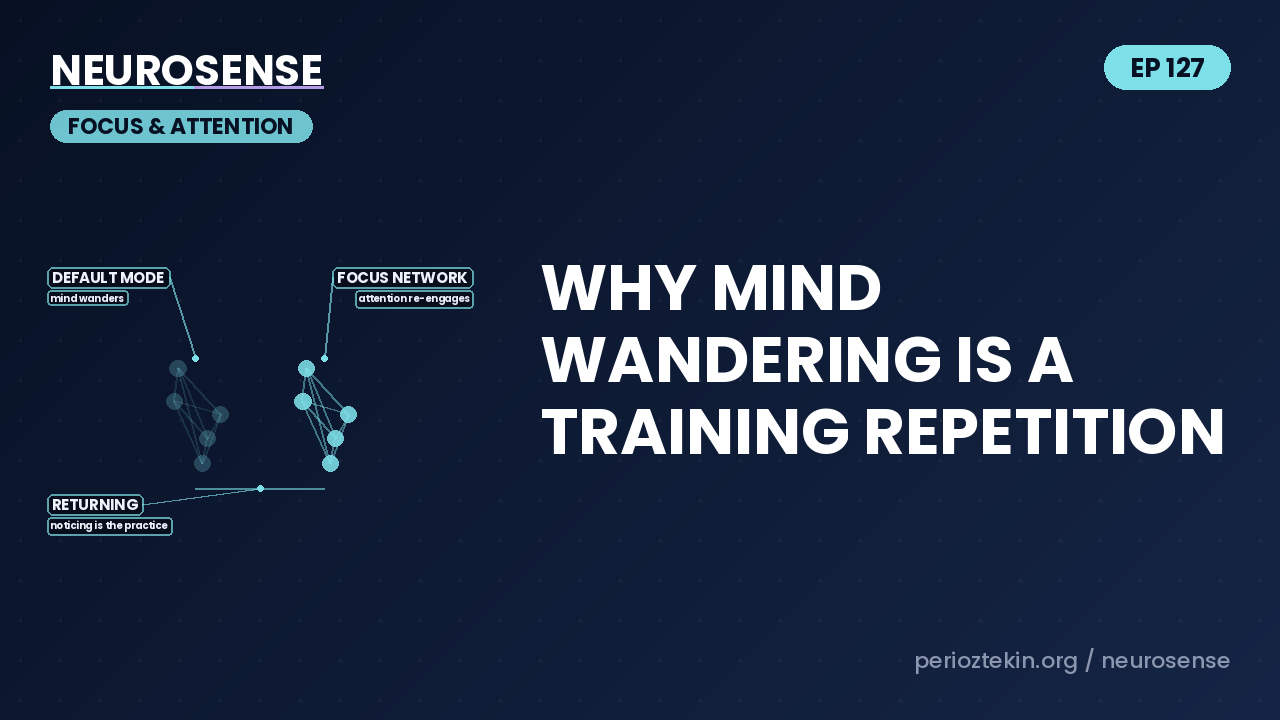
Why Mind Wandering Is a Training Repetition
Your Immune System Listens to Your Nerves
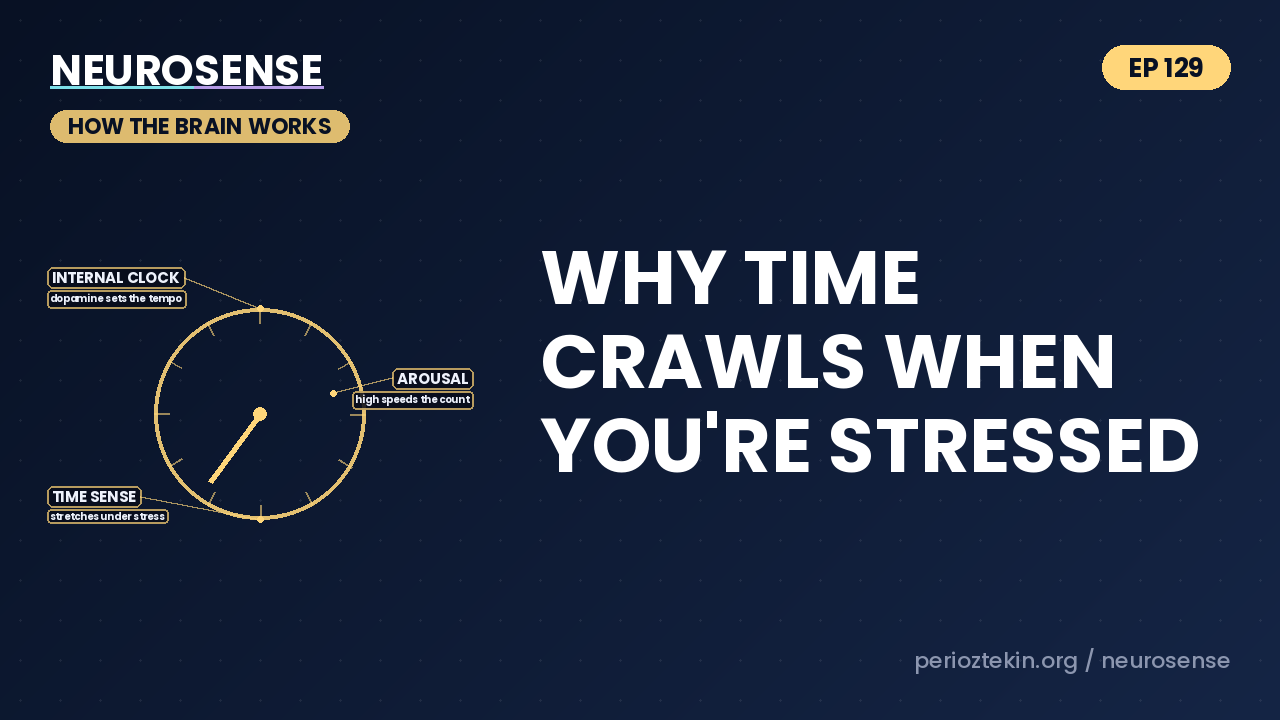
Why Time Crawls When You're Stressed
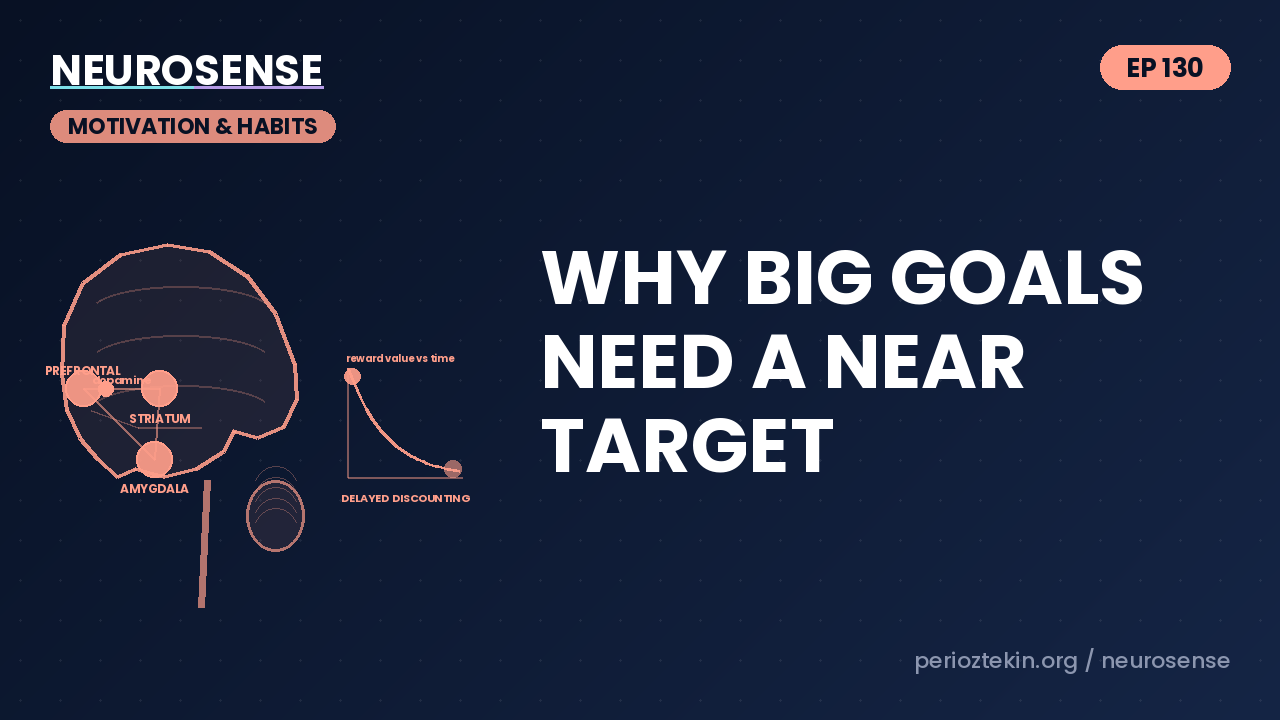
Why Big Goals Need a Near Target
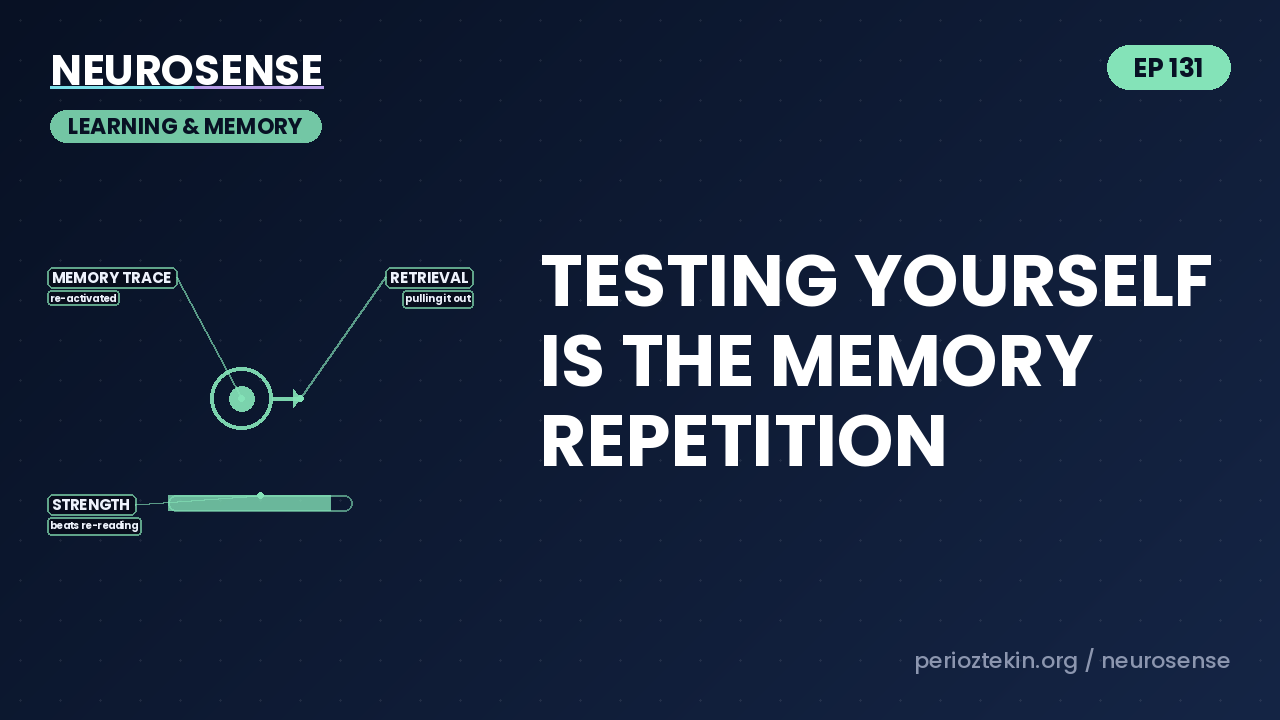
Testing Yourself Is the Memory Repetition
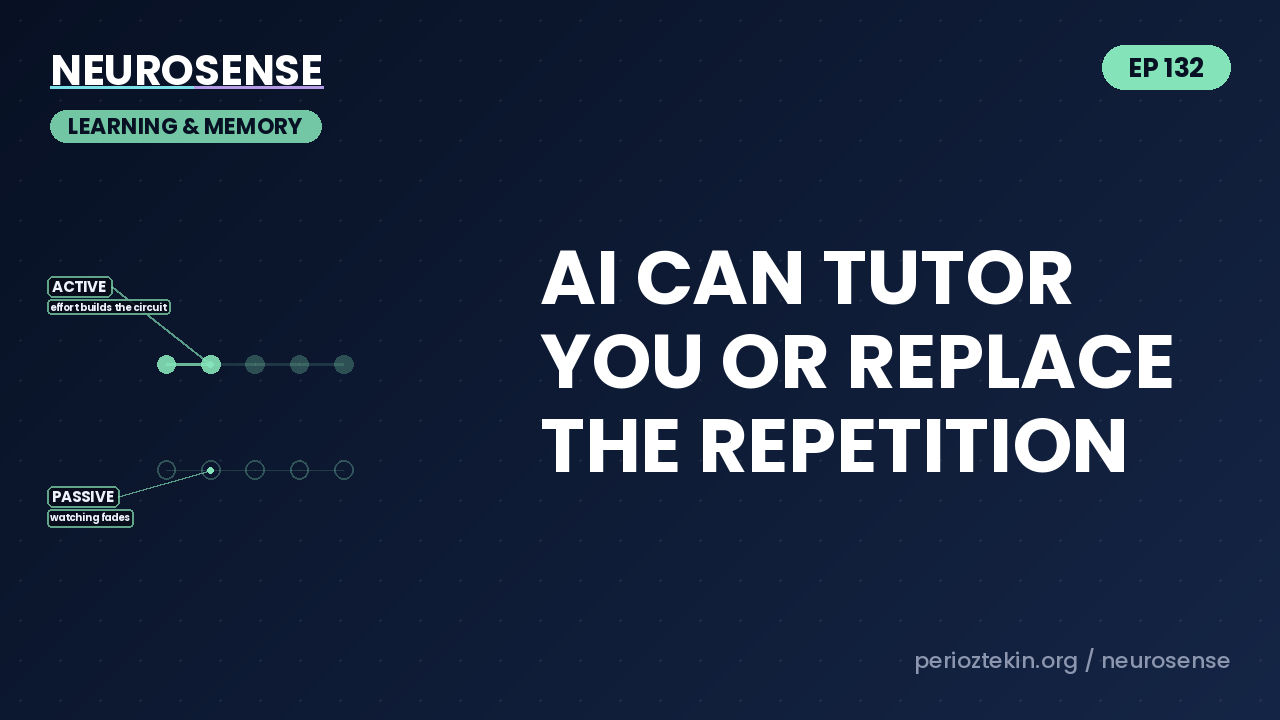
AI Can Tutor You or Replace the Repetition
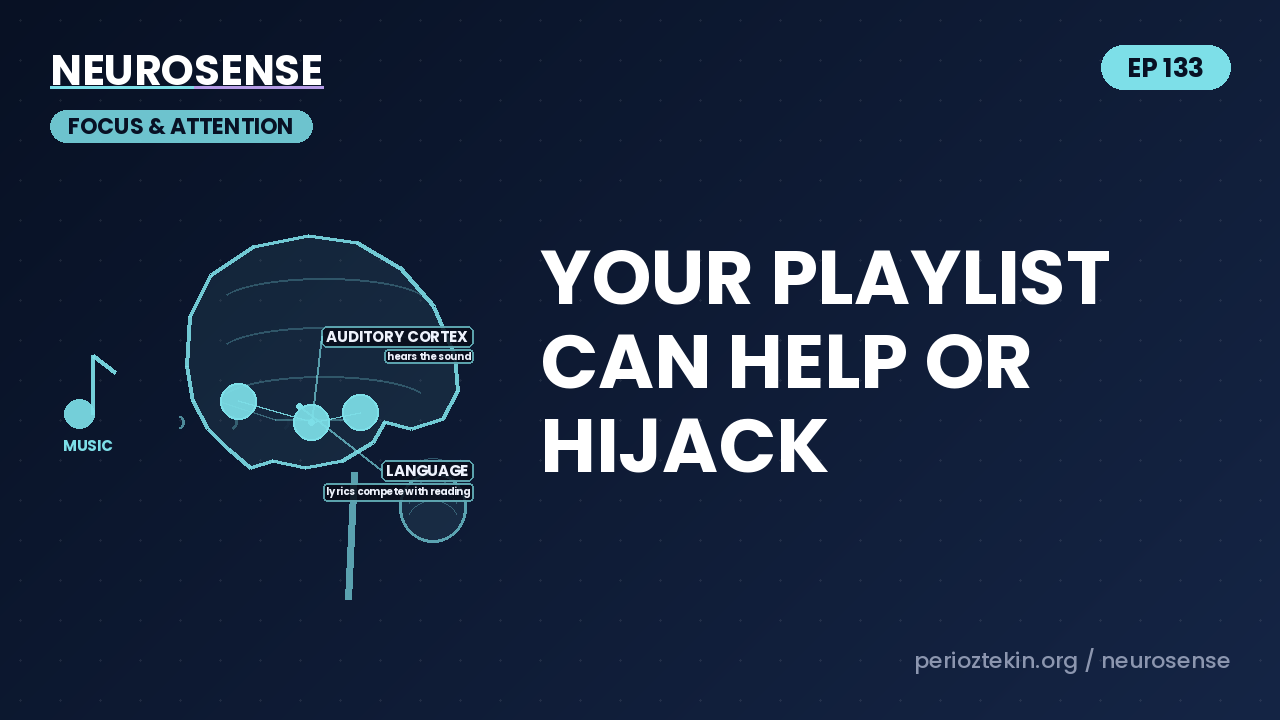
Your Playlist Can Help or Hijack
Nature Gives Attention a Softer Job
Soreness Is Not the Scoreboard
Sweat Changes the Signal
Your Mouth Is Body Chemistry
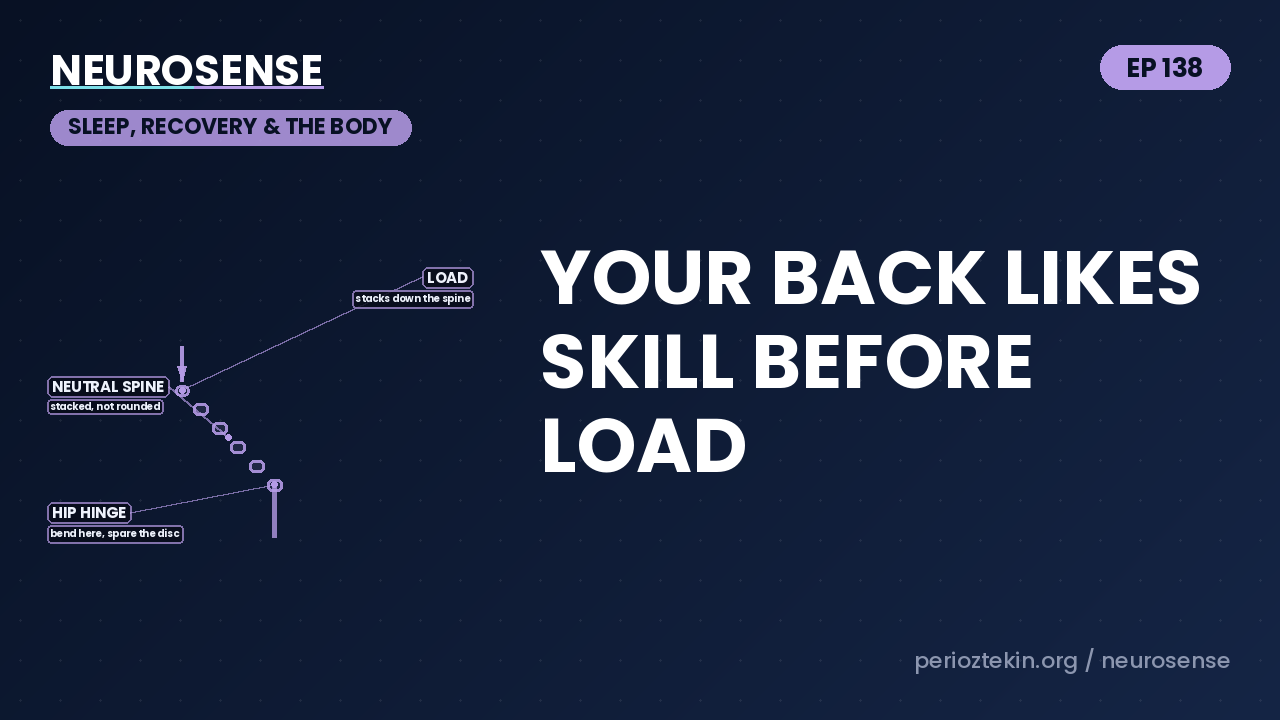
Your Back Likes Skill Before Load
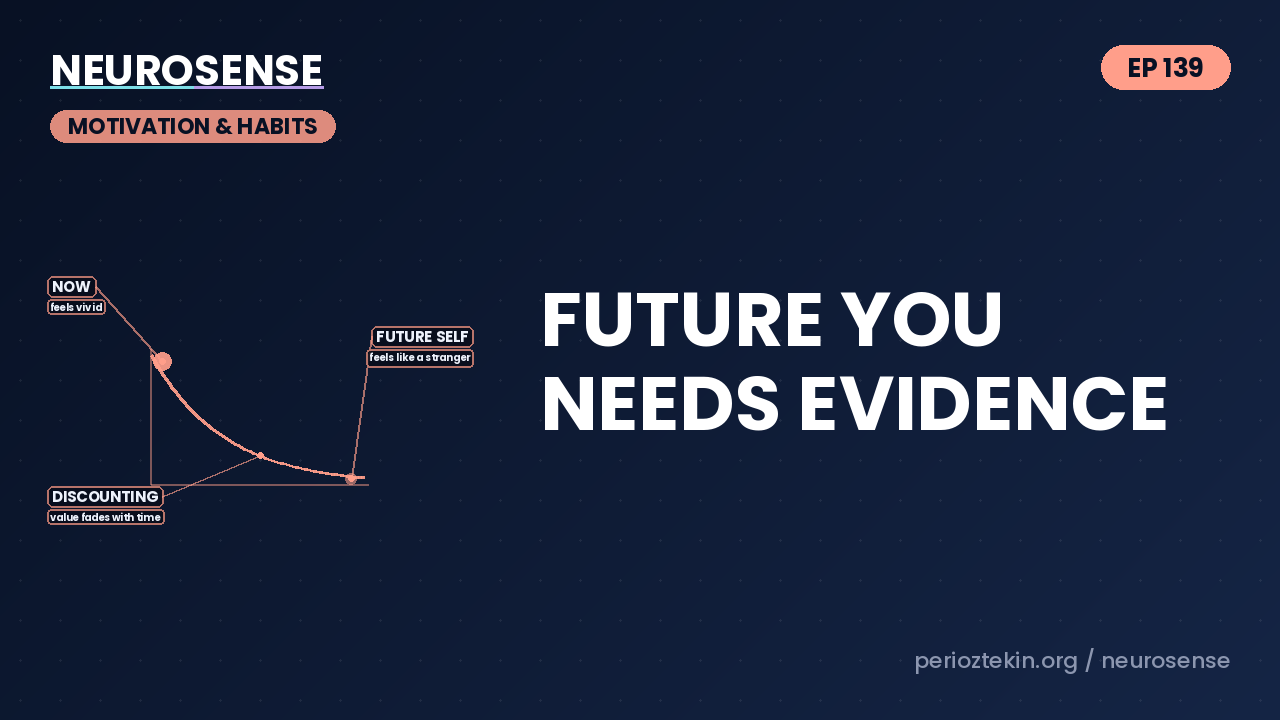
Future You Needs Evidence
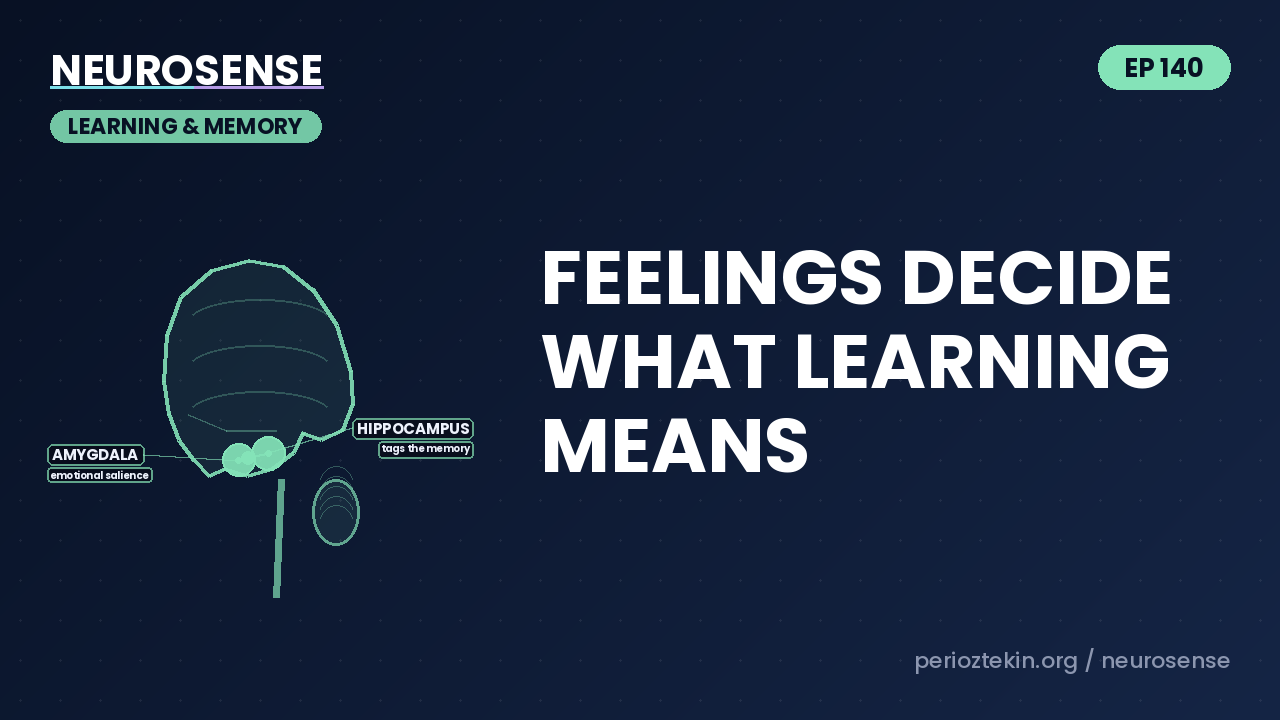
Feelings Decide What Learning Means
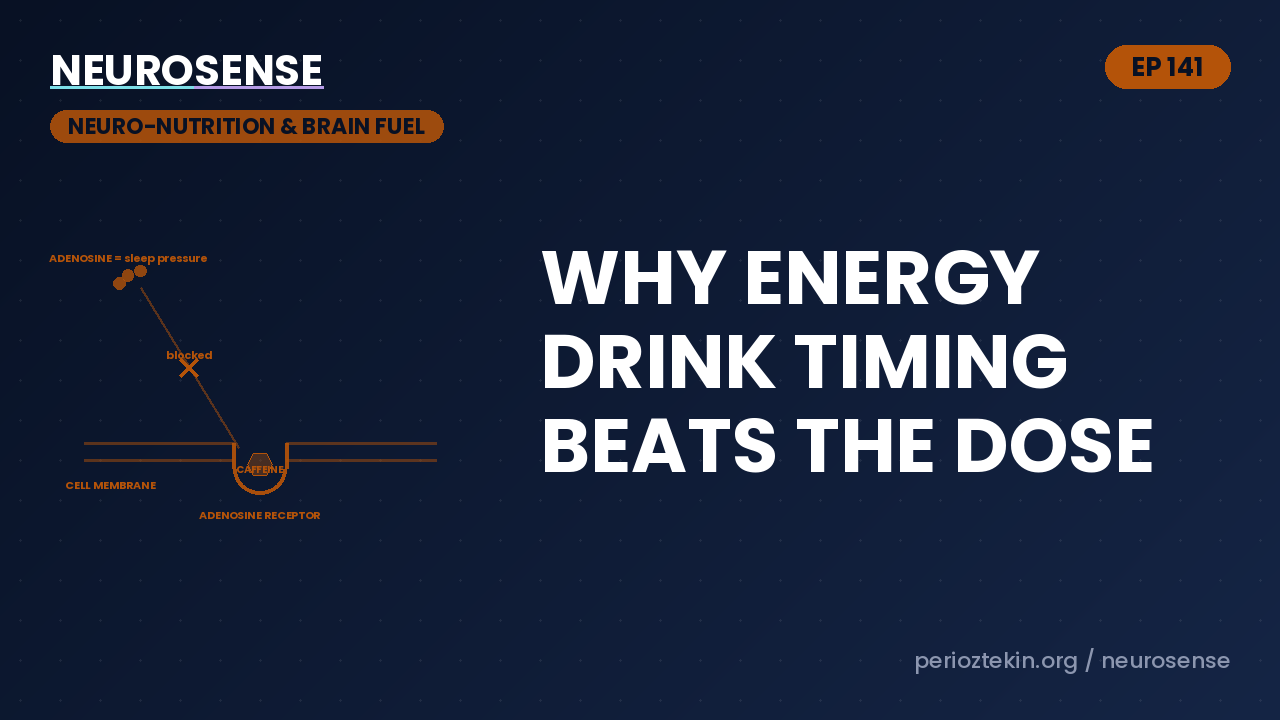
Why Energy Drink Timing Beats the Dose
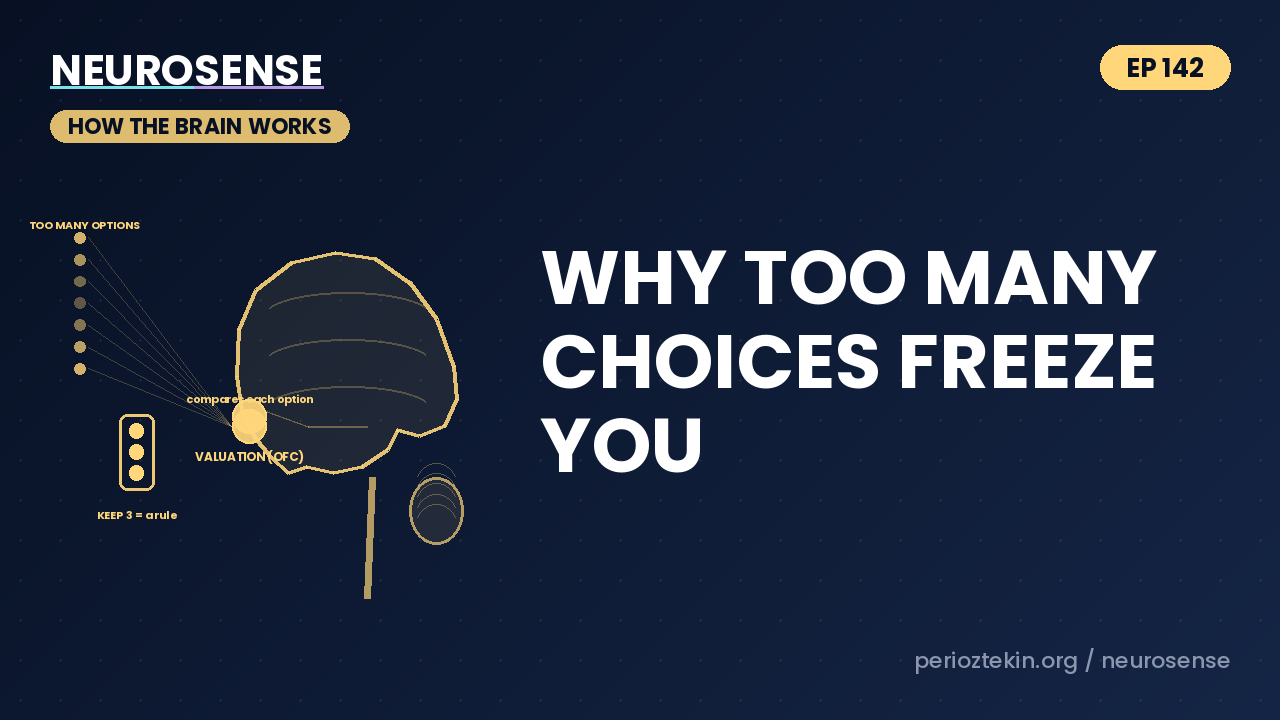
Why Too Many Choices Freeze You
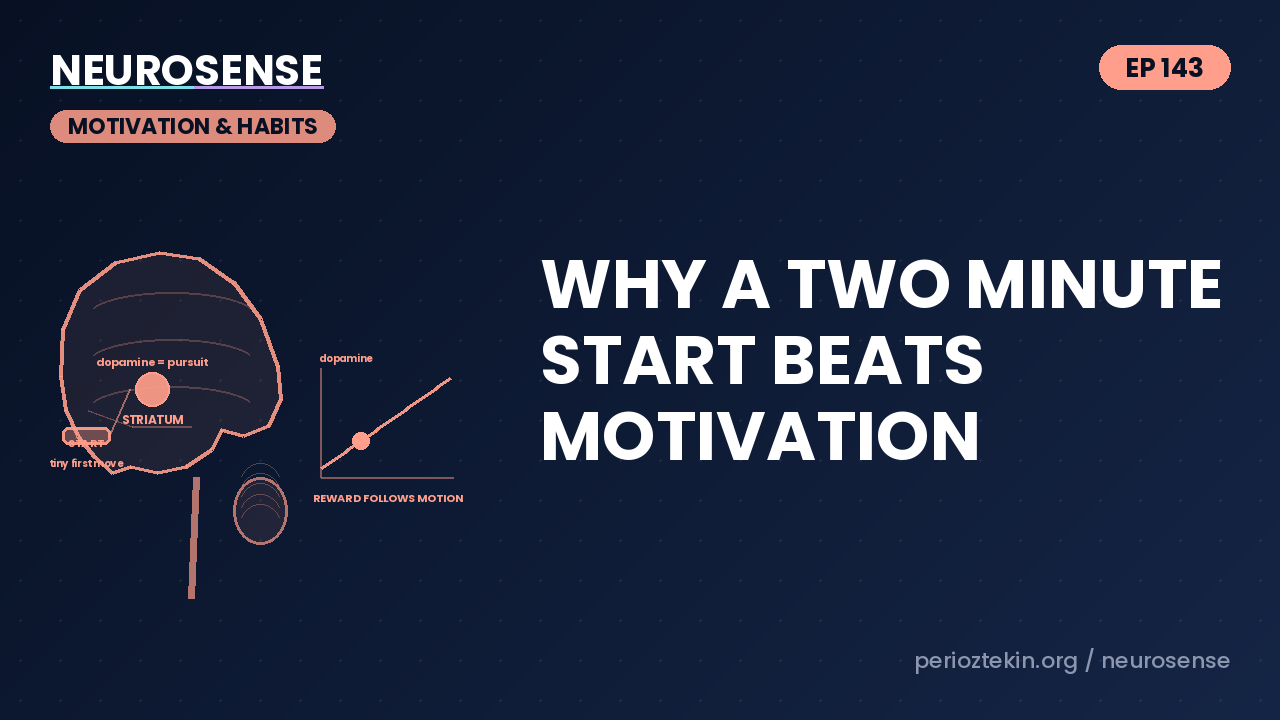
Why a Two Minute Start Beats Motivation
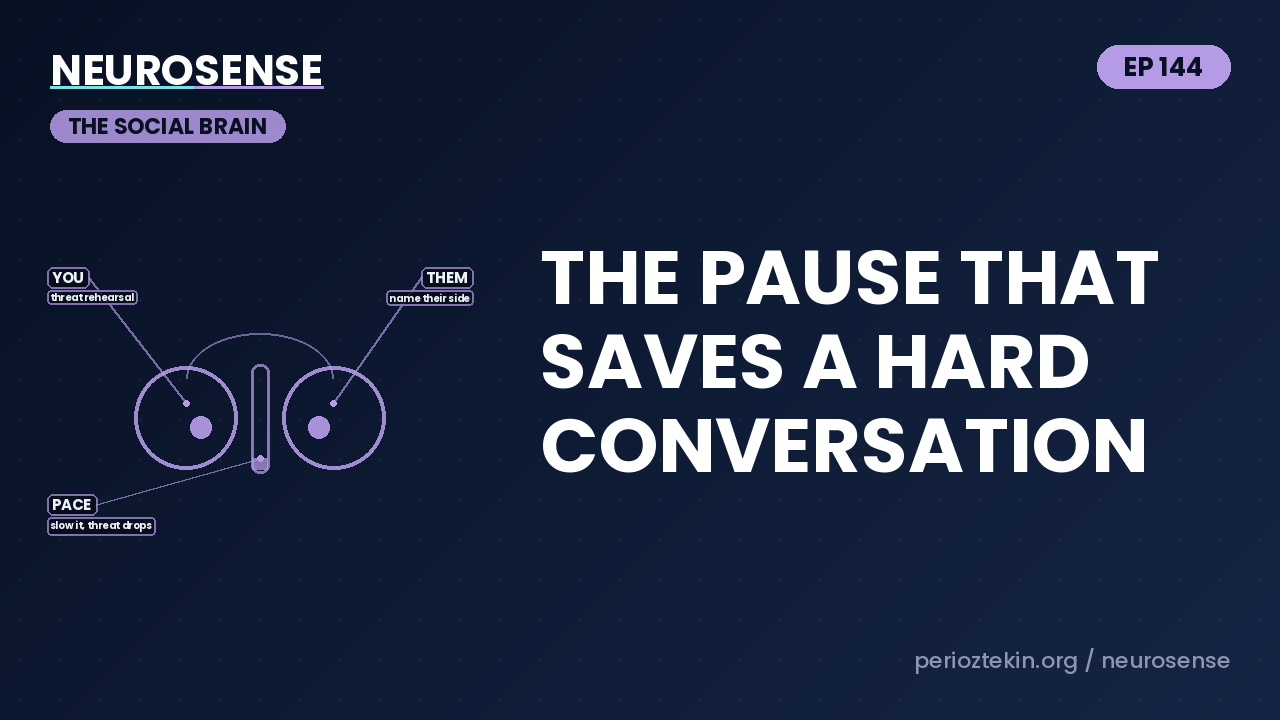
The Pause That Saves a Hard Conversation
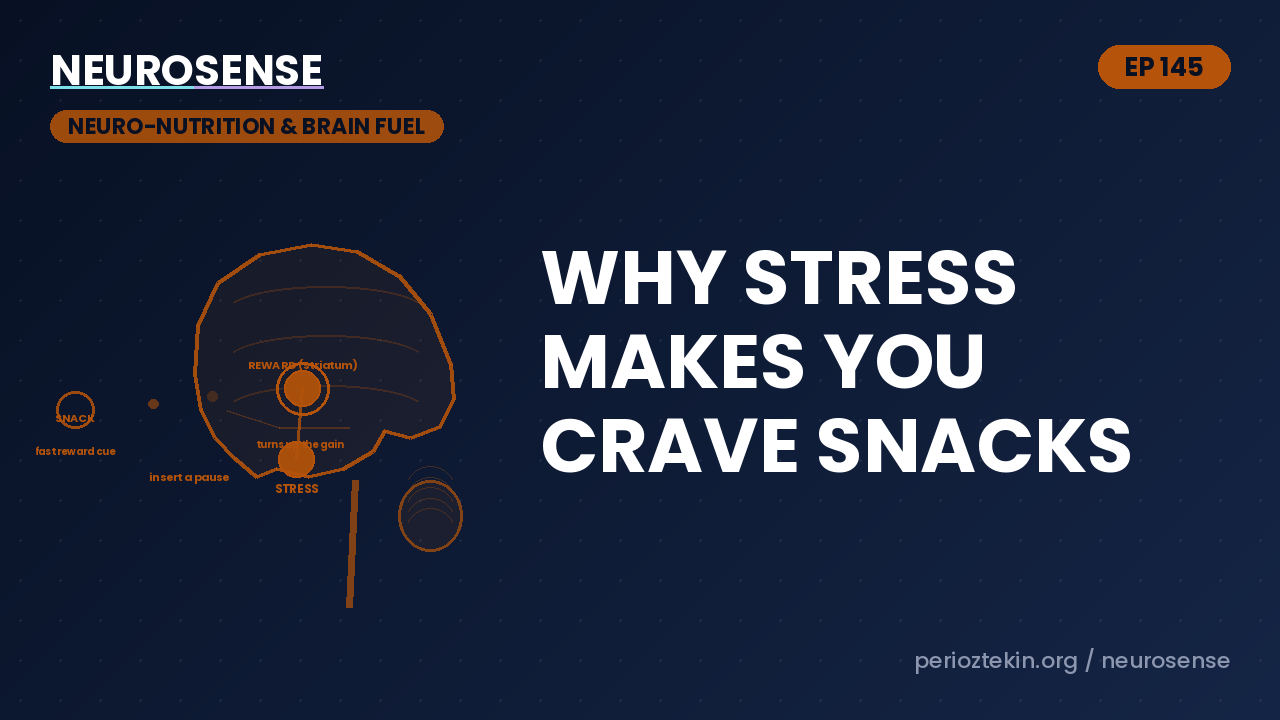
Why Stress Makes You Crave Snacks
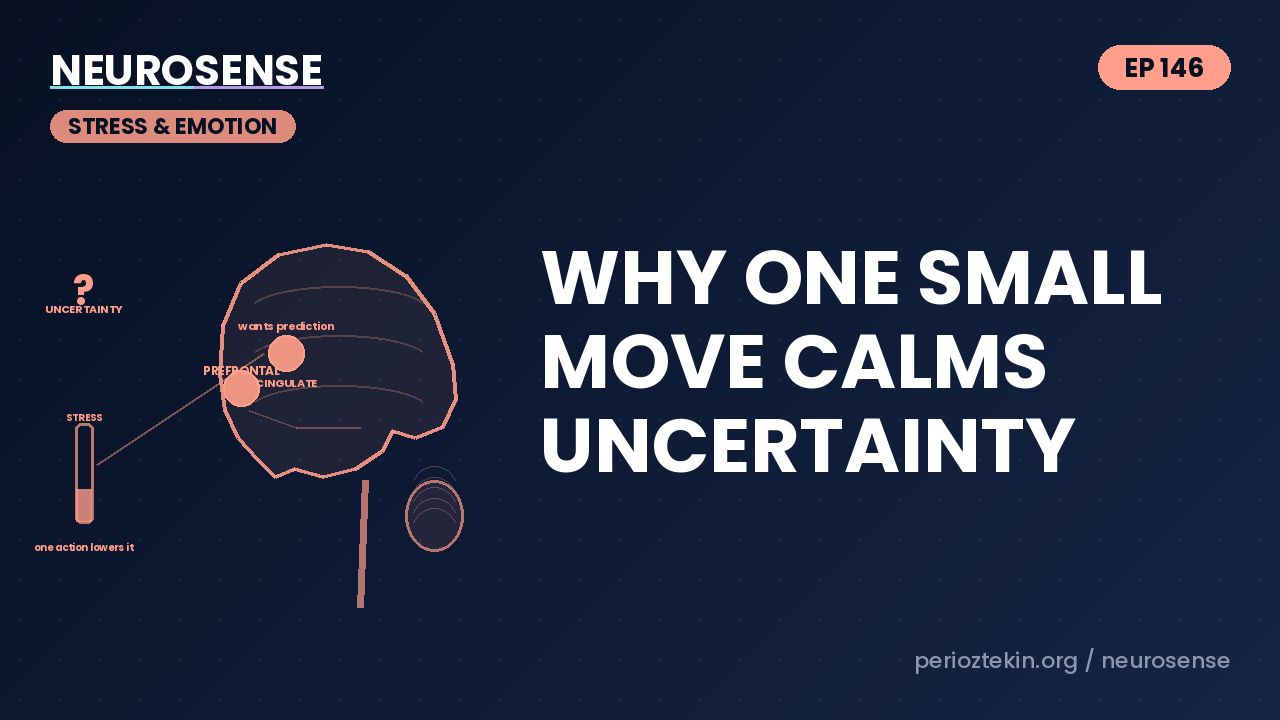
Why One Small Move Calms Uncertainty
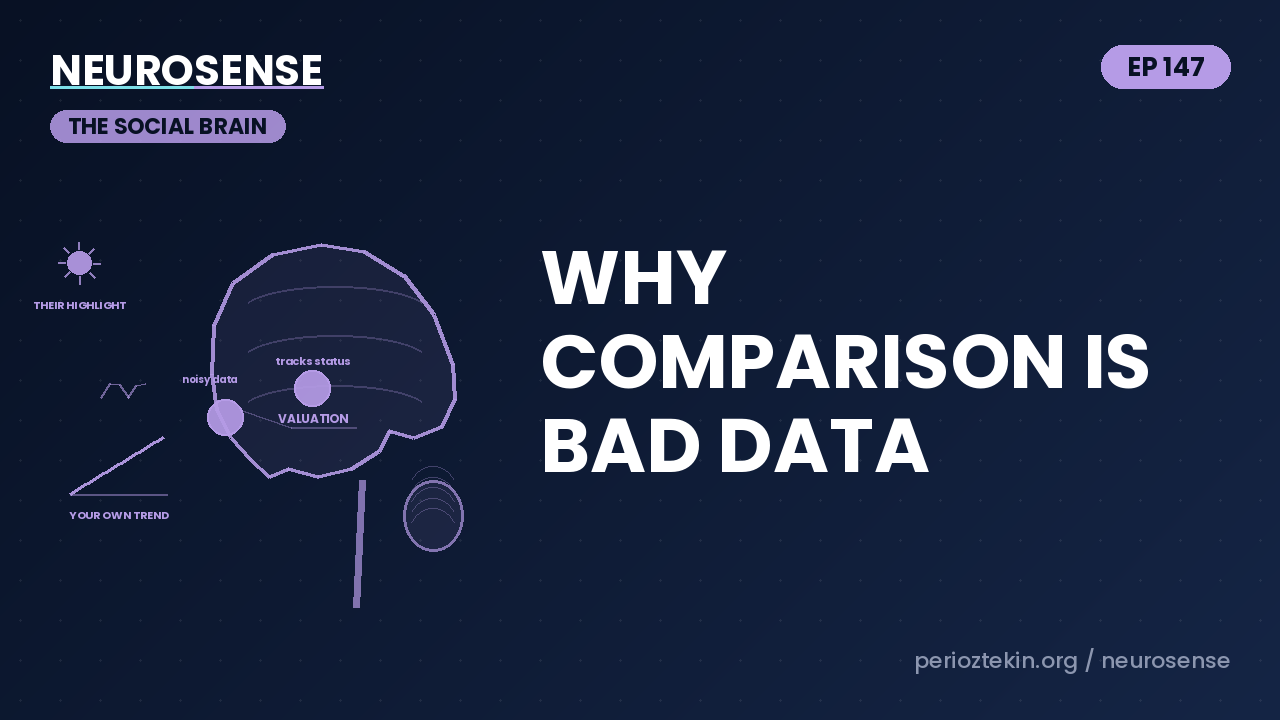
Why Comparison Is Bad Data
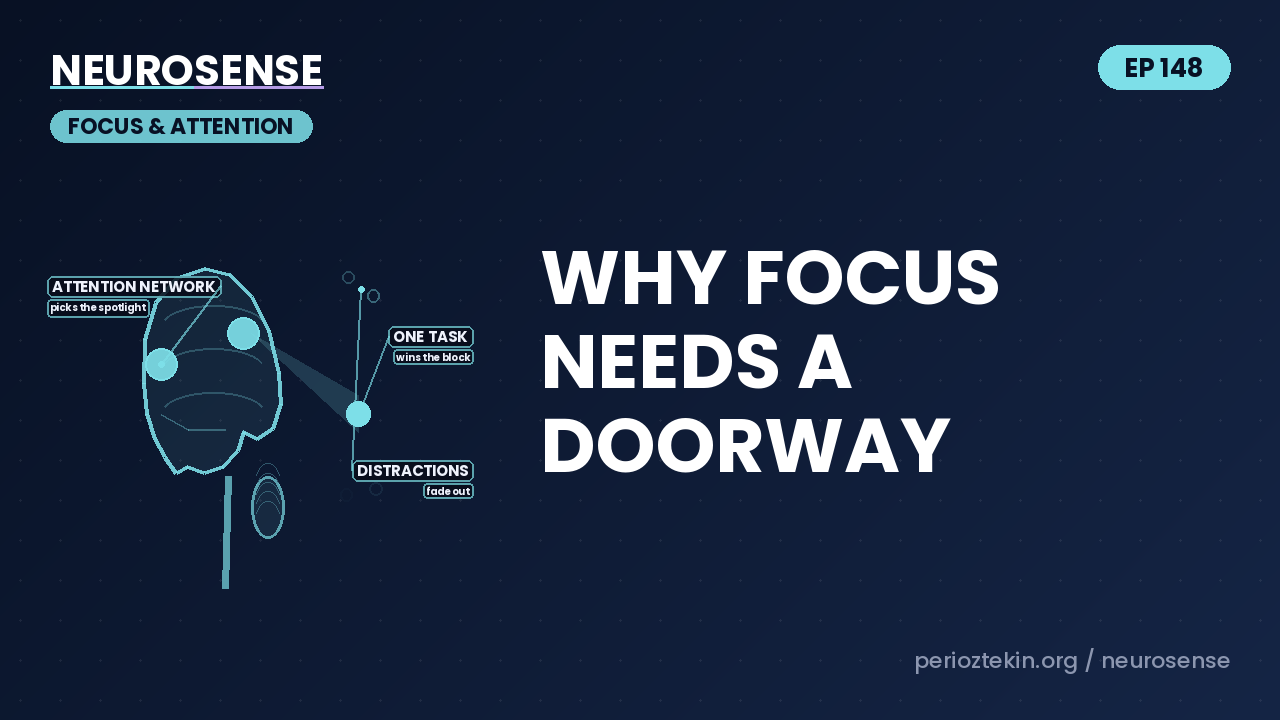
Why Focus Needs a Doorway
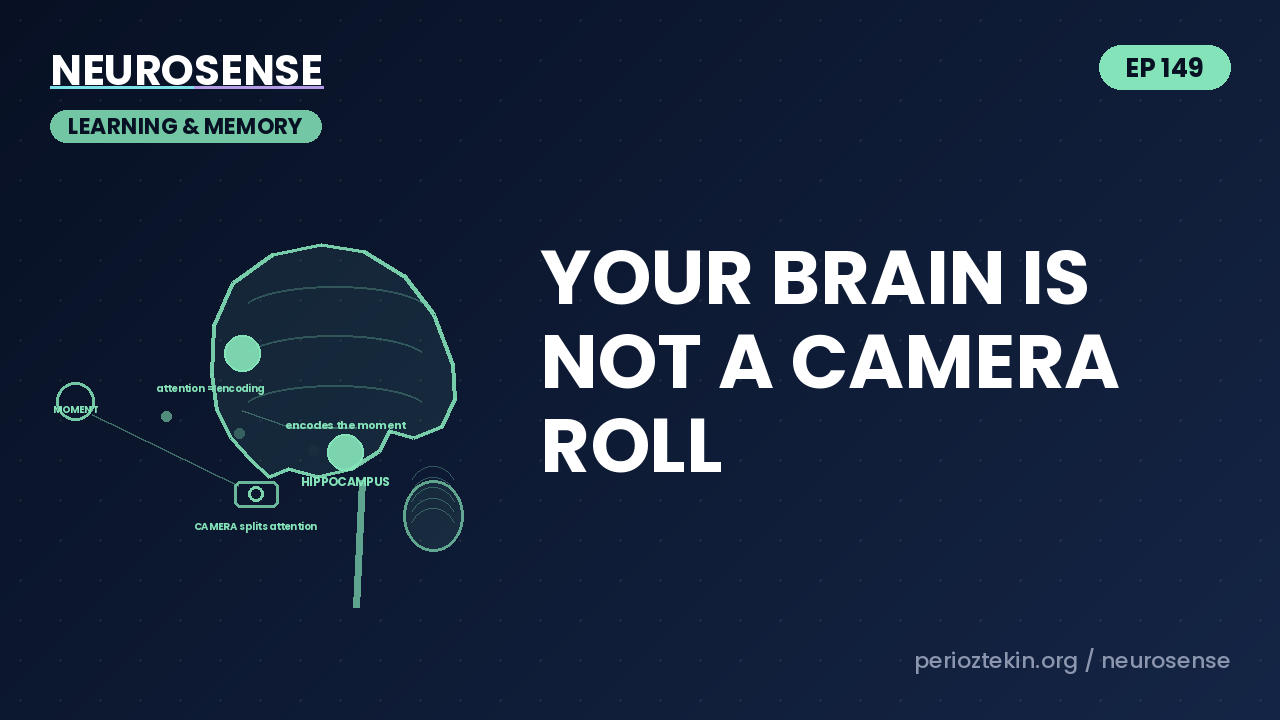
Your Brain Is Not a Camera Roll
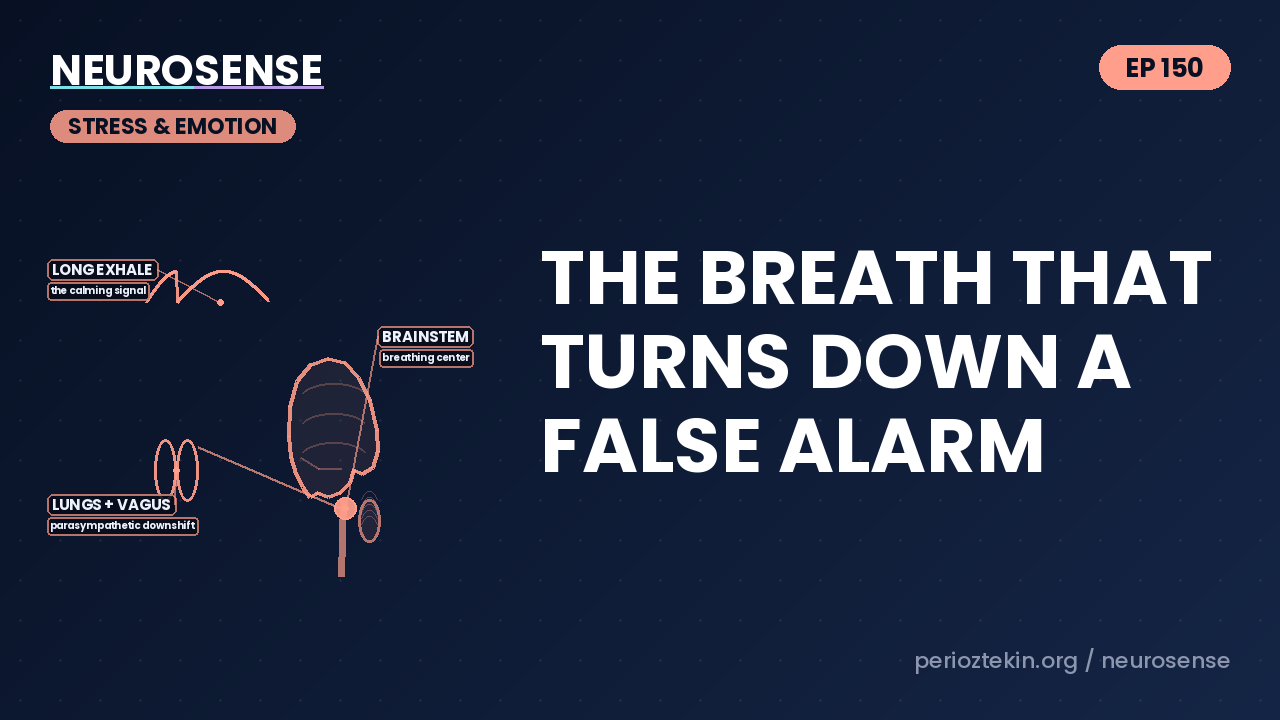
The Breath That Turns Down a False Alarm
Science you can actually use
NeuroSense is built to make neuroscience more usable. It takes credible research from papers, lectures, books, podcasts, and expert conversations, then turns it into short, engaging videos that explain what is happening in the brain, why it matters in real life, and how that understanding can change the way people think, study, rest, regulate, and respond.
The goal is not to flatten the science into slogans. It is to keep the mechanism intact while making it easier to follow. When the evidence supports a strategy, a protocol, or a practical intervention, NeuroSense points to it clearly. When the science is more limited, it should be honest about that too.
The five steps for every video
1. Find the actual claim.
I start with a real source. I pull out the specific claim with the exact quote and timestamp, and note what the source itself cited. If the source didn’t say it, it doesn’t go in the video.
2. Translate, don’t water down.
Each claim becomes a script built for the audience and the format, under one constraint: the logic stays the same. The words can change. The level of unpacking can change. The actual mechanism cannot.
3. Ground it in something real.
Each video should connect the science to real life. That can mean a concrete strategy, a protocol, a habit, or a decision the viewer can better understand because the mechanism is now clearer. The point is not empty motivation. The point is useful understanding.
4. Make the video.
Each script becomes a storyboard with simple on-screen text (3–5 words max), a calm narrator voice, and music that supports the pacing without crowding the idea. The visuals should make the mechanism easier to follow, not noisier.
5. Stay close to the source.
Every video should stay anchored to what the original source actually said. If the wording changes for clarity, the meaning still has to remain faithful to the source and the evidence behind it.
Mechanisms first. Application right after
NeuroSense is not meant to stop at interesting facts about the brain. The goal is to make the mechanism clear enough that the viewer can see why a problem is happening, why a strategy might help, and where a protocol fits into everyday life.
That means asking the same questions every time: What is happening in the brain? Why does it matter in real life? What, if anything, should a person do differently because of that understanding? When the science supports action, the videos should point to it. When it does not, they should stay honest about that too.
Youth-focused neuroscience usually loses the science
A lot of brain content online is either too shallow to be useful or too technical to be accessible. Some videos turn the mechanism into spectacle and lose the actual claim. Others assume adult vocabulary, adult attention, and a lot of background knowledge most younger viewers do not have yet.
NeuroSense is what I’m trying to build to close that gap through short, honest, visually engaging explanations that still respect the underlying science.
What comes next
Applied protocols
Each video picks one everyday brain mechanism and pairs it with a protocol you can actually try. Topics include attention, dopamine, stress, memory, sleep, emotion, and social pain.
More on everyday behavior
Other topics in the same direction include ADHD and hyperfocus, the intense world theory of autism, and neuroplasticity and habits. The point is to give viewers a complete picture of how the brain shapes everyday life.
Foundational neuroscience
A deeper layer goes into the hardware itself. Topics include resting potential, action potentials, voltage-gated channels, myelination, hippocampal consolidation, neuropharmacology, and the Nernst potential. These explain why the everyday protocols work the way they do.